 US: 2-4 weeks,
  Europe: 1-2 weeks, 🌍 Worldwide: 1-4 weeks ✈️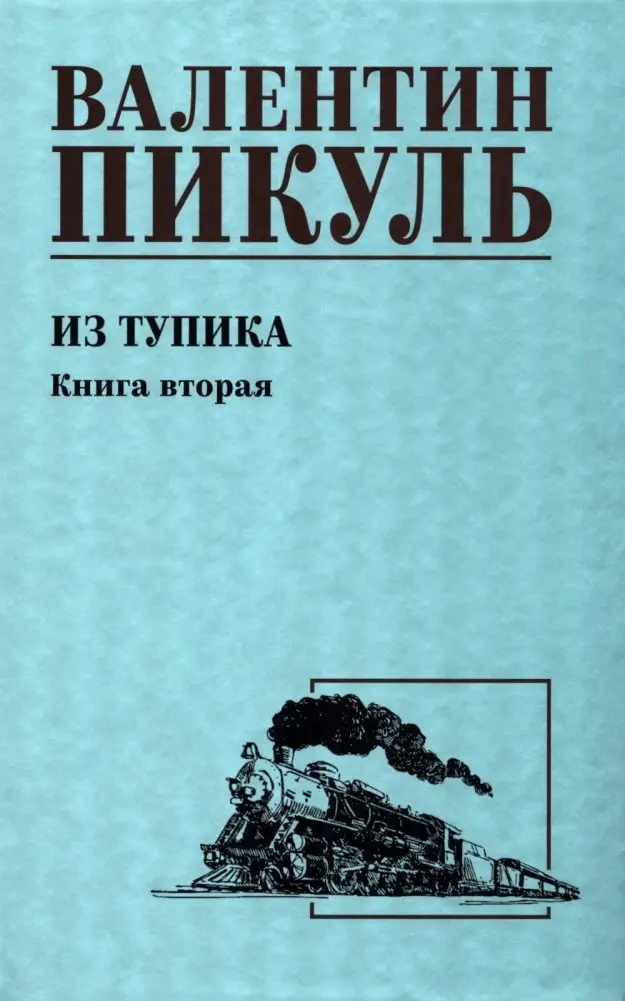
Из тупика. Кн.2: роман | Out of a Dead End. Book 2: A Novel
By Пикуль Валентин Саввич
Из тупика. Кн.2: роман
Пикуль Валентин Саввич
Обзор
Роман описывает значимый период отечественной истории, связанный с возведением Мурманской железной дороги и становлением флотилии Северного Ледовитого океана, которая впоследствии стала героическим Северным флотом. Русский крейсер «Аскольд» начал свою службу в Дарданелльской операции, а революционные события встретил как корабль Северной флотилии. Значительная часть повествования посвящена противостоянию с интервентами на Мурмане, в Архангельске и Карелии.
Кому подойдёт
- Любителям исторической прозы.
- Интересующимся периодом создания Северного флота.
- Читателям, предпочитающим романы о военных событиях и борьбе за территории.
Ключевые особенности
- Язык: русский
- Страниц: 464
- Издательство: Вече
- Год издания: 2025
- ISBN: 9785448453403
Out of a Dead End. Book 2: A Novel
Valentin Savvich Pikul
Overview
This novel reflects a complex period in our history, associated with the creation of the Murmansk railway and the formation of the Arctic Ocean flotilla, from which the heroic Northern Fleet later emerged. The Russian cruiser "Askold" began its combat service in the Dardanelles operation and entered the revolution as a ship of the Northern Flotilla. A significant part of the novel is dedicated to the struggle against interventionists in Murman, Arkhangelsk, and Karelia.
Who it's for
- Readers interested in historical fiction.
- Those curious about the formation of the Northern Fleet.
- Fans of novels depicting military events and territorial struggles.
Key features
- Language: Russian
- Pages: 464
- Publisher: Veche
- Publication Year: 2025
- ISBN: 9785448453403