 US: 2-4 weeks,
  Europe: 1-2 weeks, 🌍 Worldwide: 1-4 weeks ✈️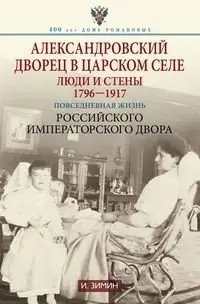
Александровский дворец в Царском Селе | The Alexander Palace in Tsarskoye Selo
By Зимин Игорь Викторович
Александровский дворец в Царском Селе
Игорь Викторович Зимин - 2021 - Серия "400 лет Дому Романовых"
Обзор
В окрестностях Петербурга за 200 лет его имперской истории сформировалось созвездие императорских резиденций. Александровский дворец Царского Села, находясь в тени своих более известных соседей, занимает особое место. Его стены хранят память о трагической судьбе последней императорской семьи — семьи Николая II, увезенной отсюда в Сибирь в 1917 году. Сегодня дворец возрождается к новой жизни, с действующей экспозицией, реставрируемыми залами и осваиваемым музейным пространством.
Кому подойдёт
- Любителям истории Российской империи
- Интересующимся судьбой семьи Николая II
- Посетителям и исследователям императорских резиденций
Ключевые особенности
- Язык: Русский
- Объем: 640 страниц
- Тип обложки: твердый переплёт
- Издательство: Центрполиграф
- Год издания: 2021
- Серия: 400 лет Дому Романовых
- ISBN: 9785227095473
The Alexander Palace in Tsarskoye Selo
Igor Viktorovich Zimin - 2021 - Series "400 Years of the House of Romanov"
Overview
In the vicinity of St. Petersburg, a constellation of imperial residences formed over 200 years of its imperial history. The Alexander Palace in Tsarskoye Selo, while in the shadow of its more famous neighbors, holds a special place. Its walls preserve the memory of the tragic fate of the last imperial family – the family of Nicholas II, who were taken from here to Siberia in 1917. Today, the palace is being revived to a new life, with a permanent exhibition, restored halls, and developing museum spaces.
Who it's for
- Readers interested in the history of the Russian Empire
- Those curious about the fate of Nicholas II's family
- Visitors and researchers of imperial residences
Key features
- Language: Russian
- Pages: 640
- Binding: hardcover
- Publisher: Centerpolygraph
- Year: 2021
- Series: 400 Years of the House of Romanov
- ISBN: 9785227095473