 US: 2-4 weeks,
  Europe: 1-2 weeks, 🌍 Worldwide: 1-4 weeks ✈️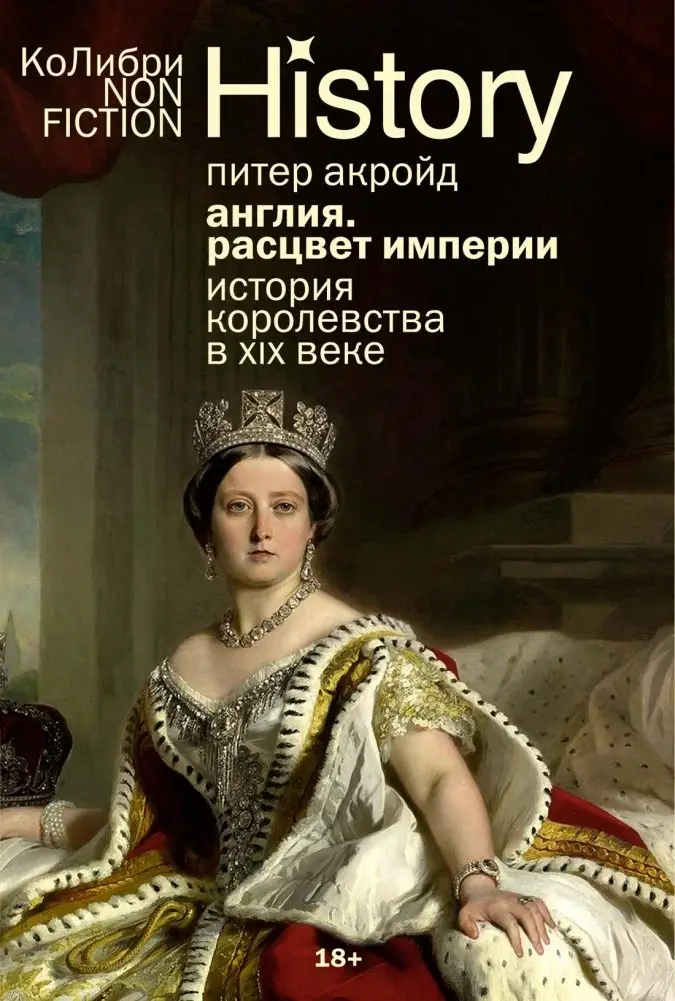
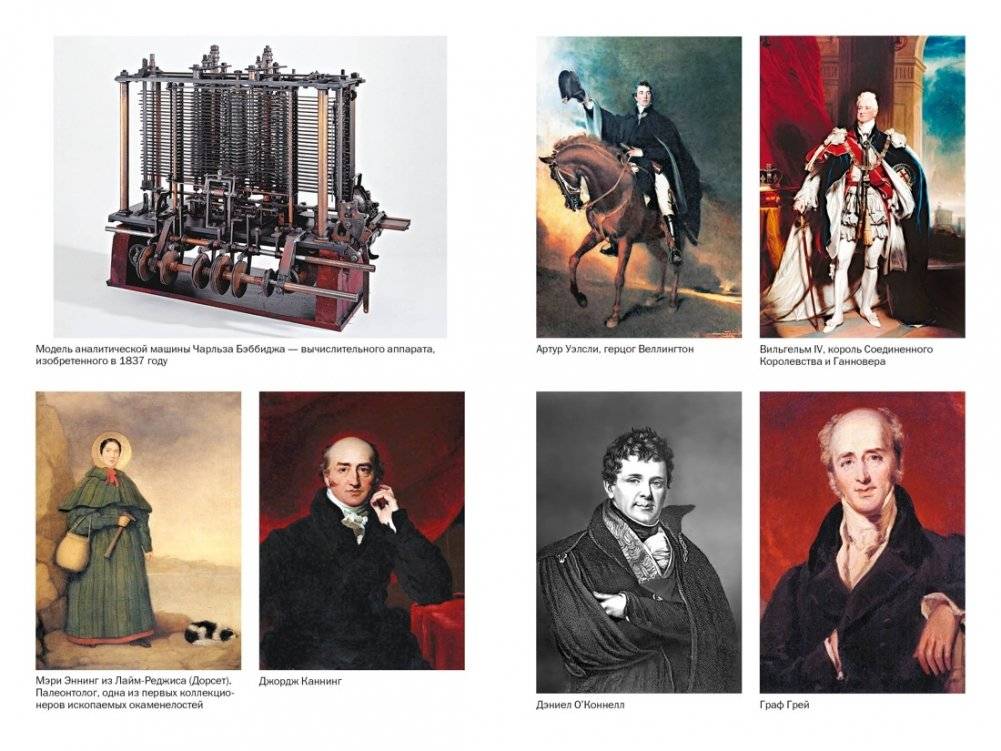
Англия: Расцвет империи. История королевства в XIX веке | England: The Rise of an Empire. A Kingdom's History in the 19th Century
By Акройд Питер
Англия: Расцвет империи. История королевства в XIX веке
Питер Акройд, 2025
Обзор
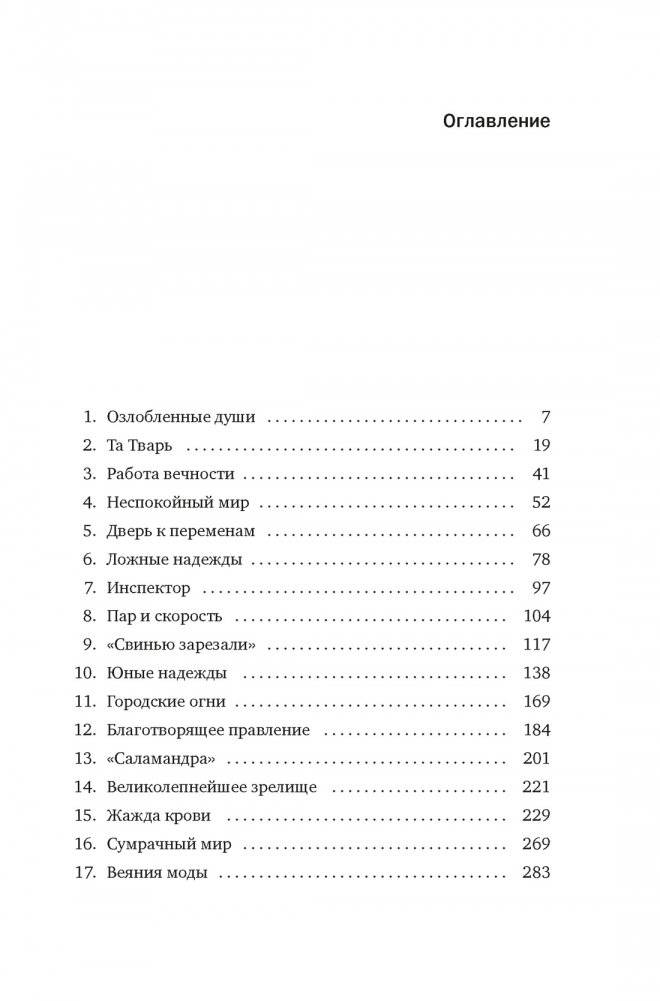
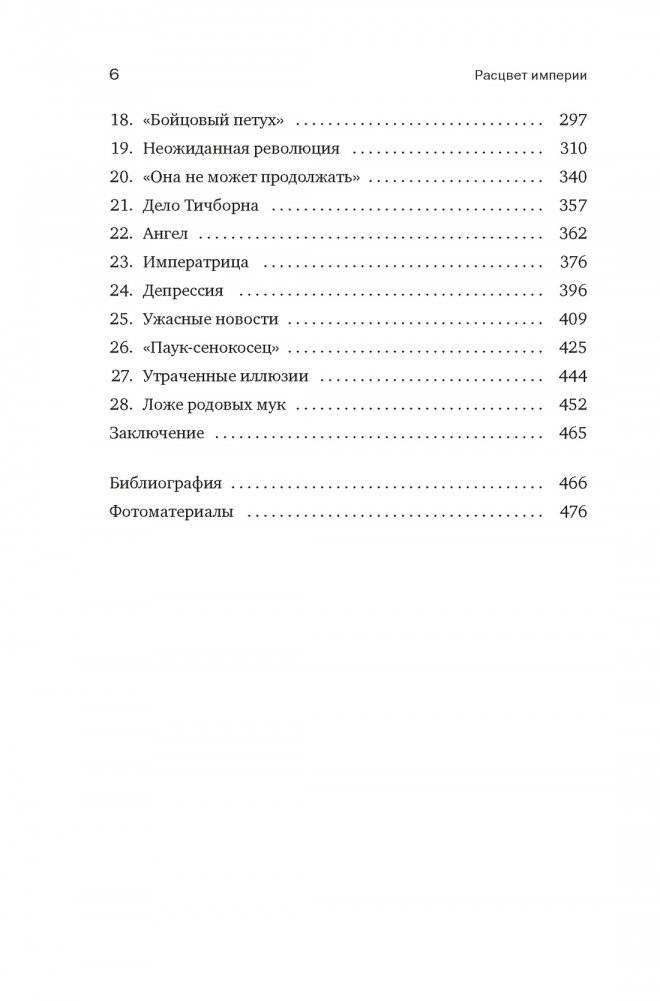
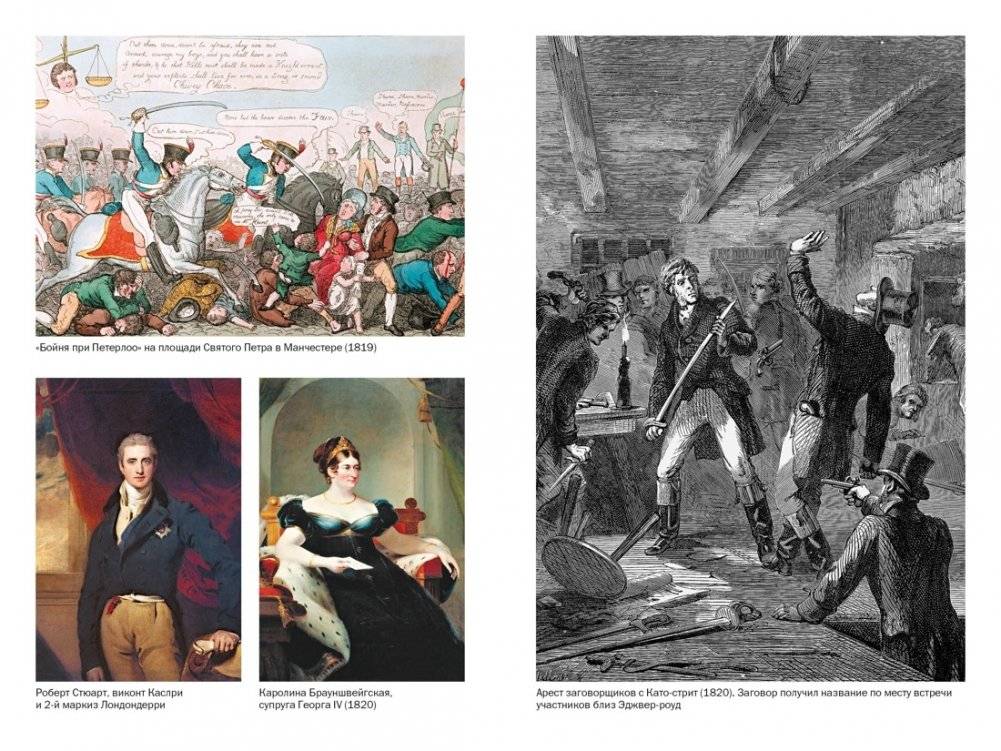
Эта книга исследует XIX век, время значительных технических достижений, расцвета искусства и глубоких общественных преобразований в Англии. Повествование начинается в 1815 году, после победы при Ватерлоо, и охватывает период до смерти королевы Виктории в 1901 году. Книга прослеживает путь от конца эпохи Регентства, через правление Георга IV и Вильгельма IV, к эпохе стремительных инноваций под началом юной Виктории. Отмечается век пара, развитие промышленности, появление среднего класса и научные открытия, менявшие устои общества.
Кому подойдёт
- Интересующимся историей Великобритании XIX века.
- Любителям подробных исследований эпохи королевы Виктории.
- Тем, кто хочет понять истоки современного общества и технологий.
Ключевые особенности
- Язык: Русский
- Объем: 480 страниц
- Тип обложки: Мягкая обложка
- ISBN: 9785389284913
- Издательство: КоЛибри
- Серия: КоЛибри NonFiction
England: The Rise of an Empire. A Kingdom's History in the 19th Century
Peter Ackroyd, 2025
Overview
This book explores the remarkable 19th century, a period of profound technical progress, artistic flourishing, and societal change in England. Beginning in 1815, following Britain's triumph at Waterloo, the narrative extends to the death of Queen Victoria in January 1901. It covers the transition from the Regency era through the reigns of George IV and William IV, culminating in the age of rapid innovation under the young Queen Victoria. The era of steam power, industrial development, the rise of the middle class, and scientific advancements that challenged established norms are examined.
Who it's for
- Readers interested in British history of the 19th century.
- Those who enjoy detailed studies of the Victorian era.
- Individuals seeking to understand the origins of modern society and technology.
Key features
- Language: Russian
- Pages: 480
- Binding: Softcover
- ISBN: 9785389284913
- Publisher: KoLibri
- Series: KoLibri NonFiction