 US: 2-4 weeks,
  Europe: 1-2 weeks, 🌍 Worldwide: 1-4 weeks ✈️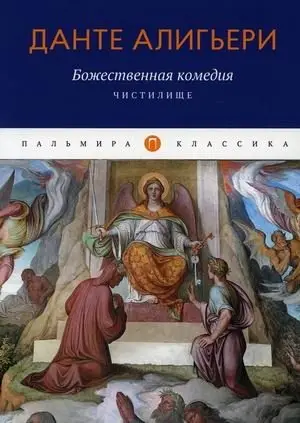
Божественная комедия: Чистилище | The Divine Comedy: Purgatory
By Алигьери Данте
Божественная комедия: Чистилище
Данте Алигьери | 2021 | Серия: RUGRAM_Пальмира
Обзор
Представлен перевод второй кантики величайшего памятника мировой культуры — «Божественной комедии» (1308–1321), выполненный В.Г. Маранцманом. Поэма отражает представления о мире, знания и культуру Средневековья, являясь средневековой энциклопедией научных, политических, философских, этических и богословских знаний. Произведение соединяет традиционный жанр «хождений» в загробный мир с новаторским отражением современности. В этой части описывается путь через чистилище, место для душ, раскаявшихся в своих грехах.
Кому подойдёт
- Читателям, интересующимся средневековой литературой и философией.
- Любителям эпических поэм и духовных исканий.
- Школьникам и студентам, изучающим мировую классику.
- Тем, кто ценит глубокие аллегорические произведения.
Ключевые особенности
- Язык: Русский
- Тип обложки: мягкая обложка
- Количество страниц: 250
- ISBN: 9785517035387
- Издательство: T8RUGRAM
- Год издания: 2021
- Серия: RUGRAM_Пальмира
- Переводчик: В.Г. Маранцман
The Divine Comedy: Purgatory
Dante Alighieri | 2021 | Series: RUGRAM_Palmyra
Overview
This book presents the translation of the second canticle of the monumental work of world culture – "The Divine Comedy" (1308–1321), rendered by V.G. Marantzman. Dante Alighieri's poem encapsulates the medieval worldview, knowledge, and culture, serving as a comprehensive encyclopedia of scientific, political, philosophical, ethical, and theological insights. It merges the traditional genre of "journeys" to the afterlife with an innovative reflection of contemporary life. This section details the journey through Purgatory, the realm for souls who have repented their sins.
Who it's for
- Readers interested in medieval literature and philosophy.
- Fans of epic poetry and spiritual journeys.
- Students studying world literature classics.
- Those who appreciate profound allegorical works.
Key features
- Language: Russian
- Binding: Softcover
- Pages: 250
- ISBN: 9785517035387
- Publisher: T8RUGRAM
- Year: 2021
- Series: RUGRAM_Palmyra
- Translator: V.G. Marantzman