 US: 2-4 weeks,
  Europe: 1-2 weeks, 🌍 Worldwide: 1-4 weeks ✈️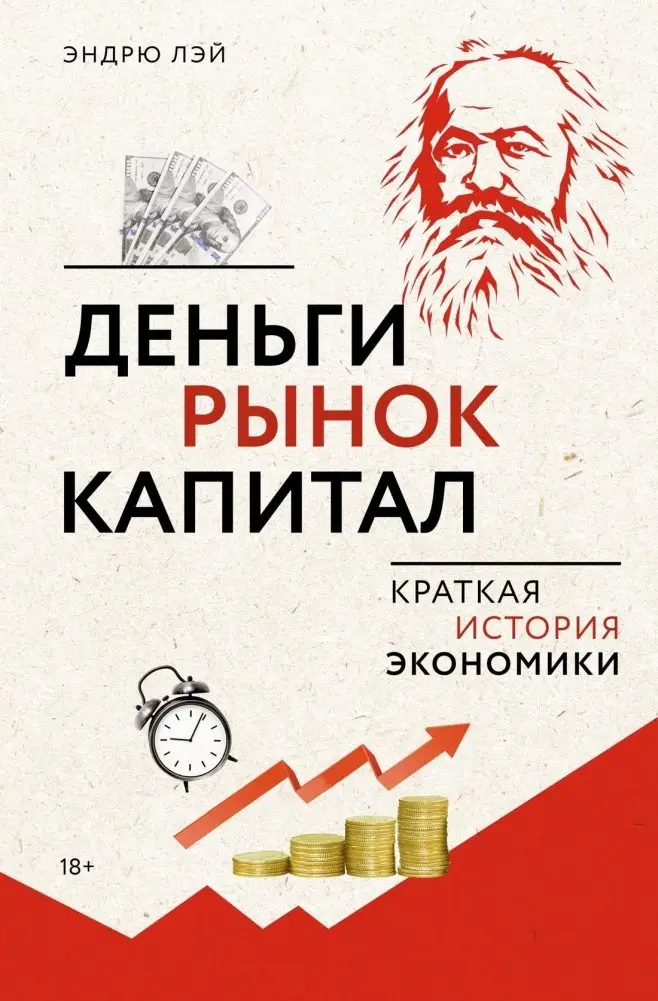


Деньги, рынок, капитал: Краткая история экономики | Money, Market, Capital: A Brief History of the Economy
By Лэй Эндрю
Деньги, рынок, капитал: Краткая история экономики
Лэй Эндрю, 2024, Серия «Азбука-Бизнес»
Обзор
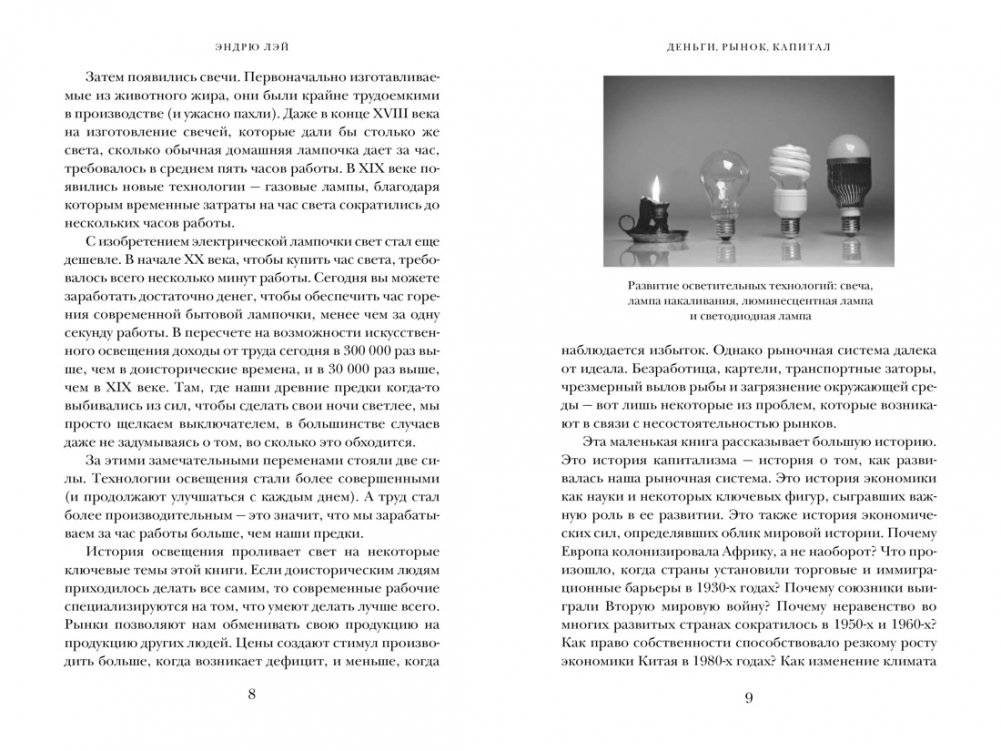
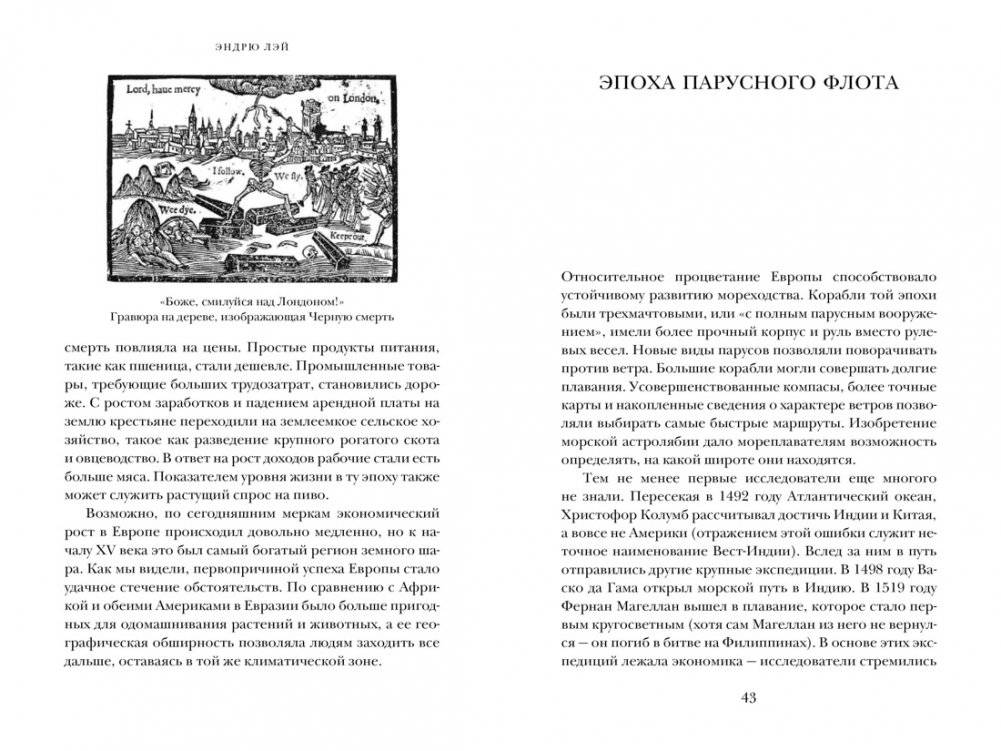
В книге профессора Гарварда Эндрю Лэя история экономики переплетена с современностью, рассматривая европейскую колонизацию, глобальное потепление, семью Медичи и искусственный интеллект. Автор рассказывает об экономических системах разных эпох и влиянии капитализма на гендерное неравенство. Лэй анализирует отличия экономик Запада и Востока, глобальные вызовы XXI века. Кейнсианская теория в XX веке стремилась победить безработицу, но макроэкономисты не могут совладать с финансовыми кризисами.
Кому подойдёт
- Тем, кто интересуется историей экономики и её влиянием на современный мир.
- Читателям, желающим разобраться в глобальных экономических вызовах.
- Интересующимся различными экономическими системами и их развитием.
Ключевые особенности
- Язык: Русский
- Страниц: 240
- Издательство: КоЛибри
- Серия: Азбука-Бизнес
- Год: 2024
Money, Market, Capital: A Brief History of the Economy
Лэй Эндрю, 2024, Series: «Азбука-Бизнес»
Overview
Andrew Lay's book intertwines the history of economics with modernity, considering European colonization, global warming, the Medici family, and artificial intelligence. The book explores economic systems of different eras and the impact of capitalism on gender inequality. Lay analyzes the differences between the economies of the West and the East, and the global challenges of the 21st century. Keynesian theory in the 20th century sought to defeat unemployment, but macroeconomists still cannot cope with financial crises.
Who it's for
- Those interested in the history of economics and its impact on the modern world.
- Readers wishing to understand global economic challenges.
- Those interested in different economic systems and their development.
Key features
- Language: Russian
- Pages: 240
- Publisher: КоЛибри
- Series: Азбука-Бизнес
- Year: 2024