 US: temporary delays — postal services aligning new import rules,
  Europe: 1–2 weeks, 🌍 Worldwide: 1–4 weeks ✈️
Loading...
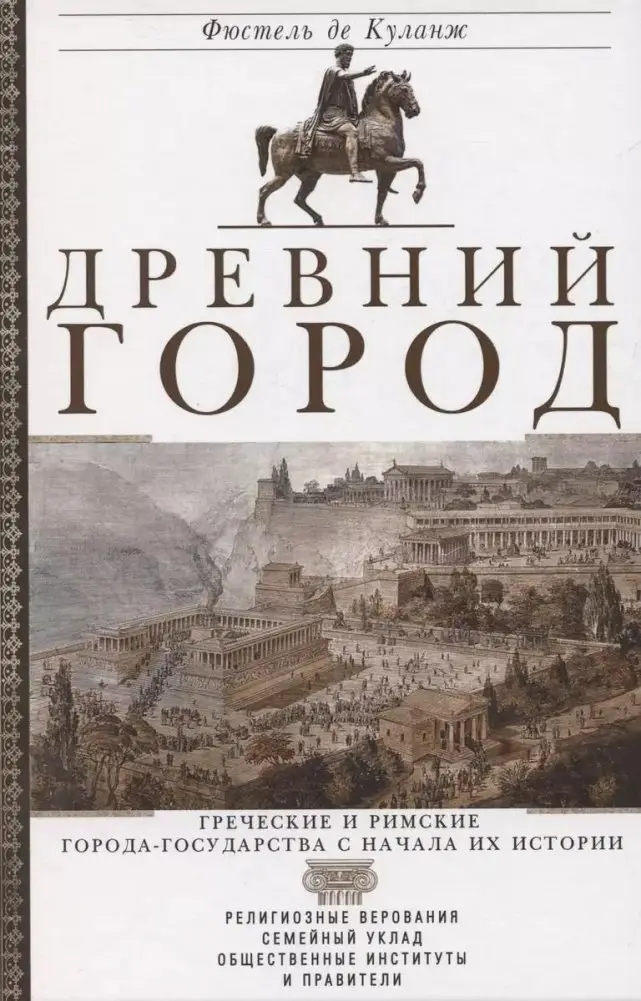
By Фюстель де Куланж Нюма Дени
Фюстель де Куланж, 2024
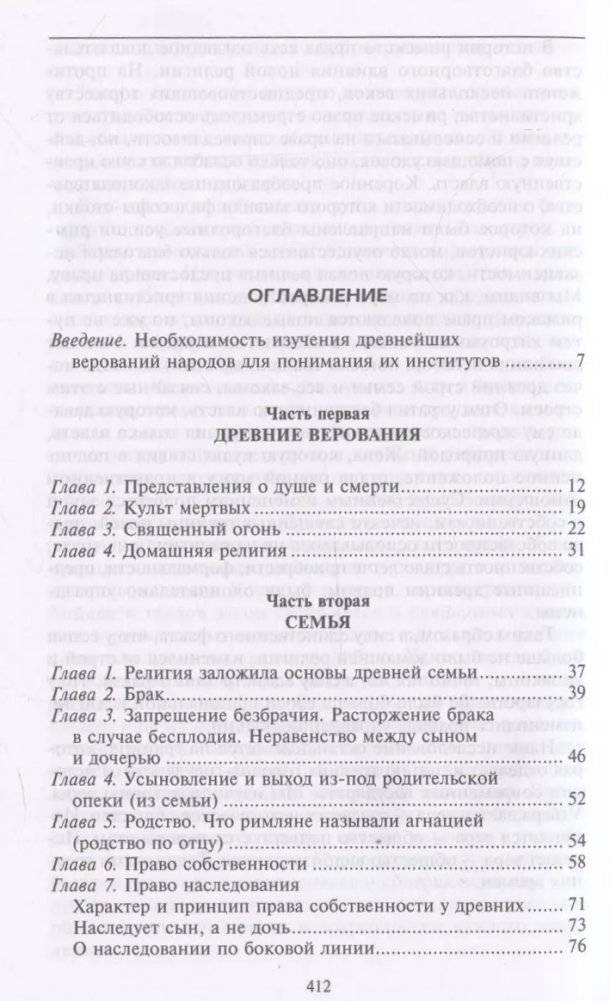
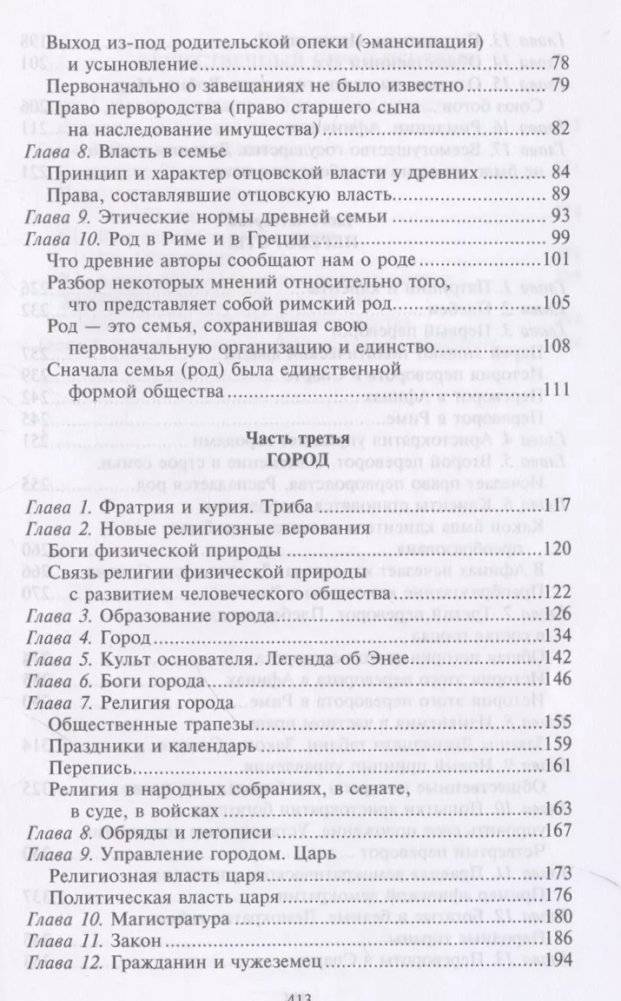
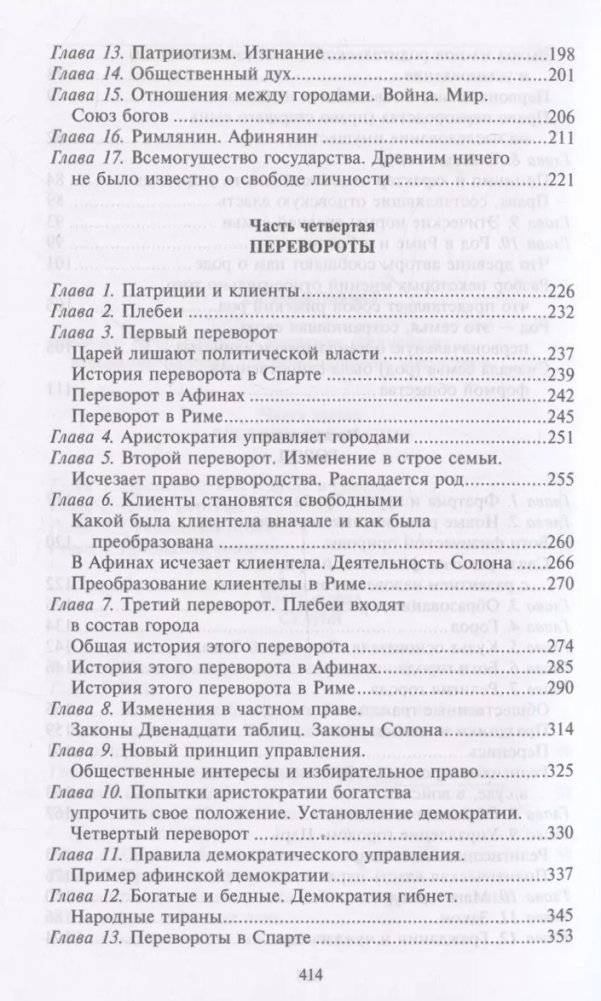
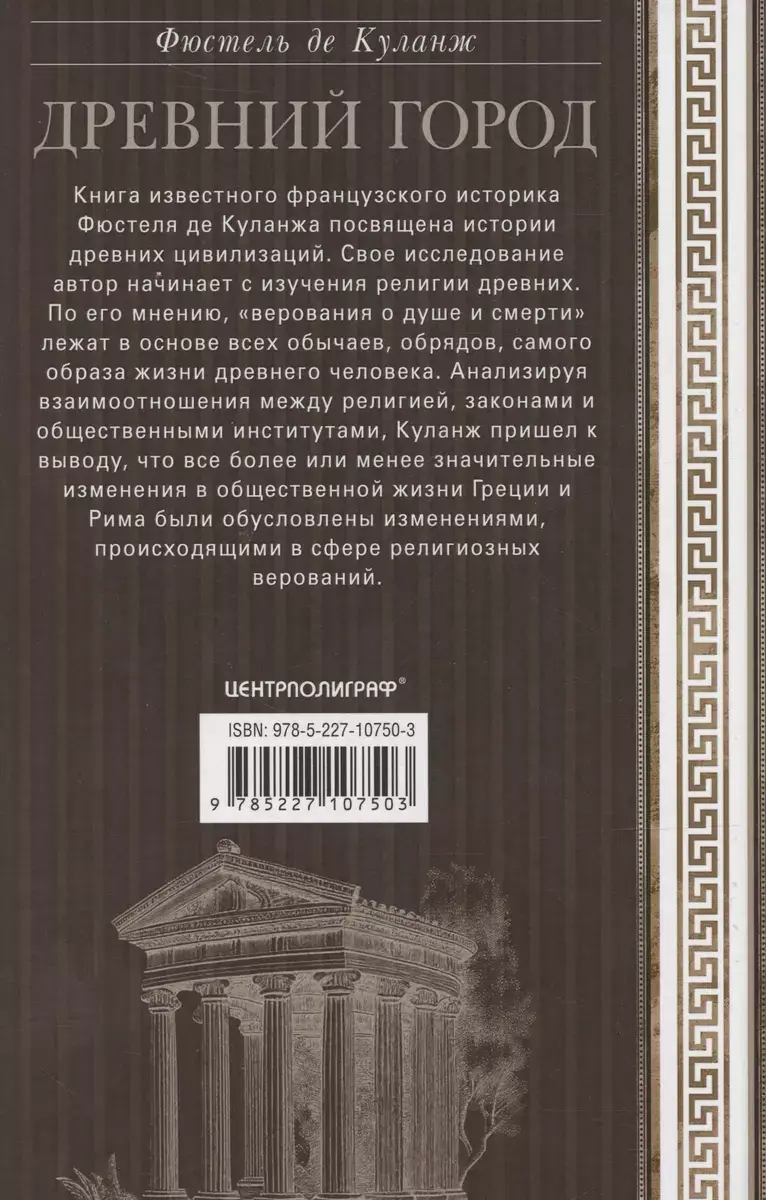
Книга известного французского историка Фюстеля де Куланжа посвящена истории древних цивилизаций, начиная с изучения их религиозных верований. Автор полагает, что представления о душе и смерти формировали обычаи, обряды и образ жизни древних людей. Анализируя связь между религией, законами и общественными институтами, де Куланж пришел к выводу, что изменения в общественной жизни Греции и Рима были обусловлены трансформациями в религиозных верованиях.
Fustel de Coulanges, 2024
This work by the renowned French historian Fustel de Coulanges delves into the history of ancient civilizations, beginning with an examination of their religious beliefs. The author posits that concepts of the soul and death formed the basis of ancient customs, rituals, and lifestyles. By analyzing the interplay between religion, laws, and social institutions, de Coulanges concluded that significant societal shifts in Greece and Rome were driven by changes in religious thought.