 US: 2-4 weeks,
  Europe: 1-2 weeks, 🌍 Worldwide: 1-4 weeks ✈️
El Greco
By Scholz-Hänsel Michael
El Greco
Michael Scholz-Hänsel, 2016
Overview
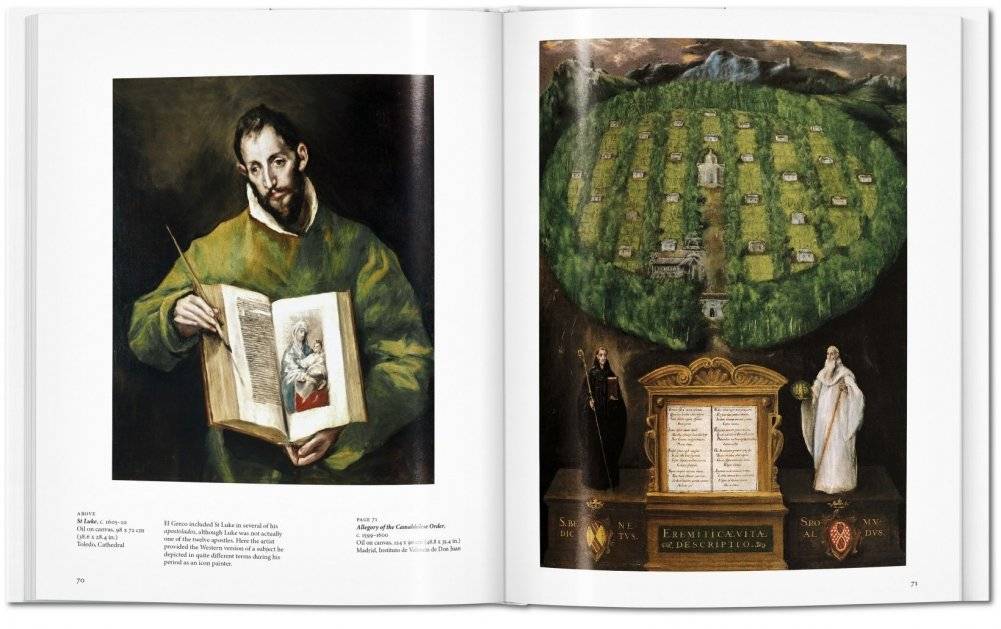
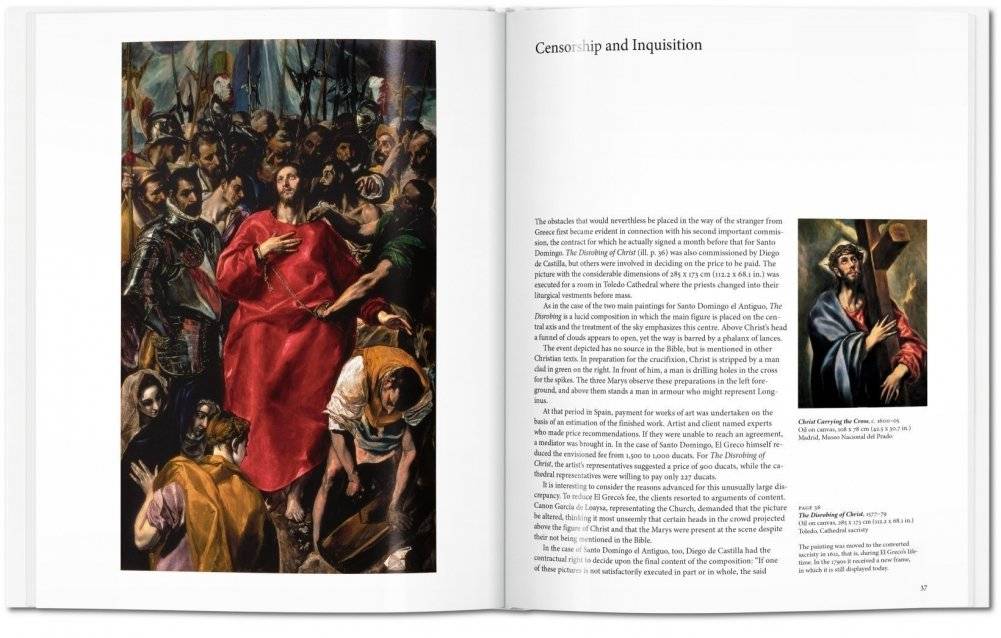
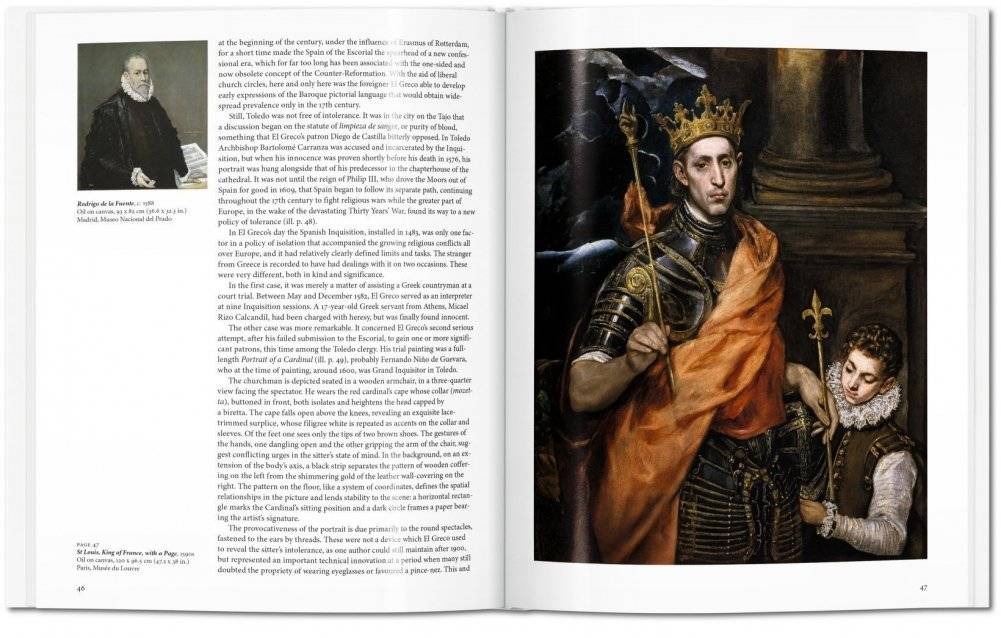
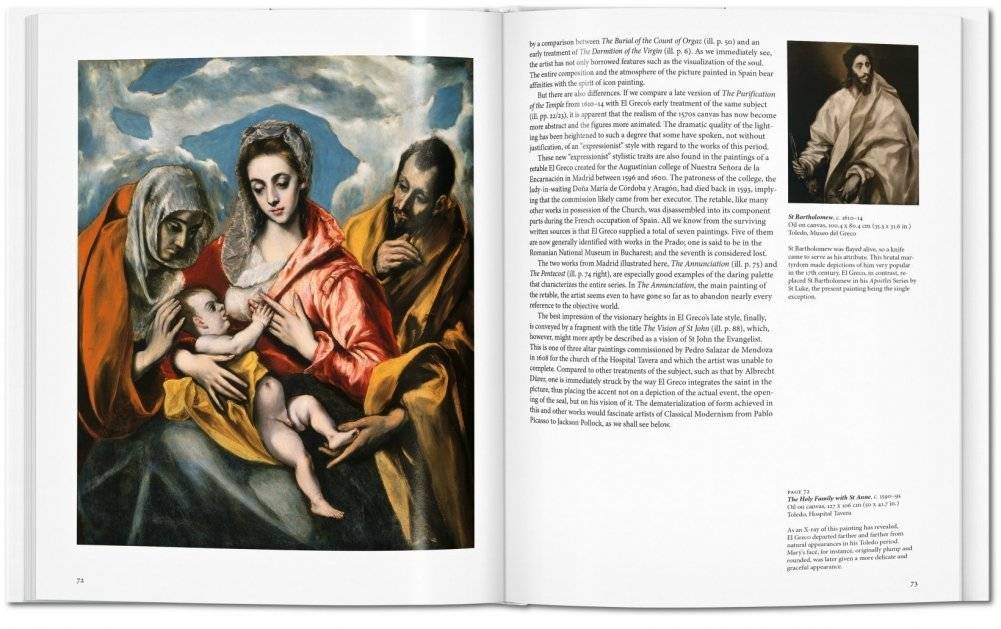
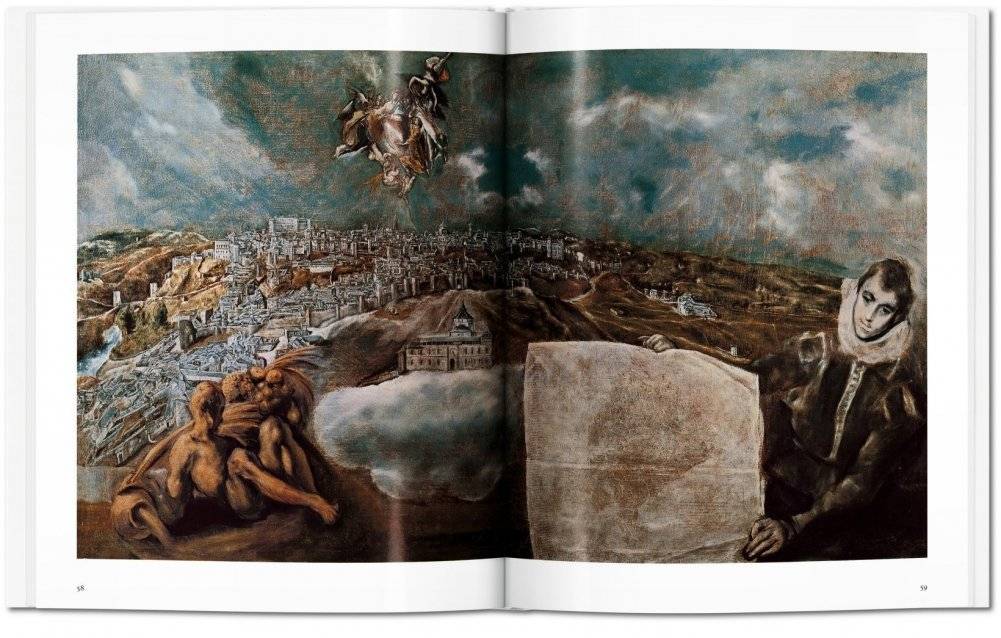
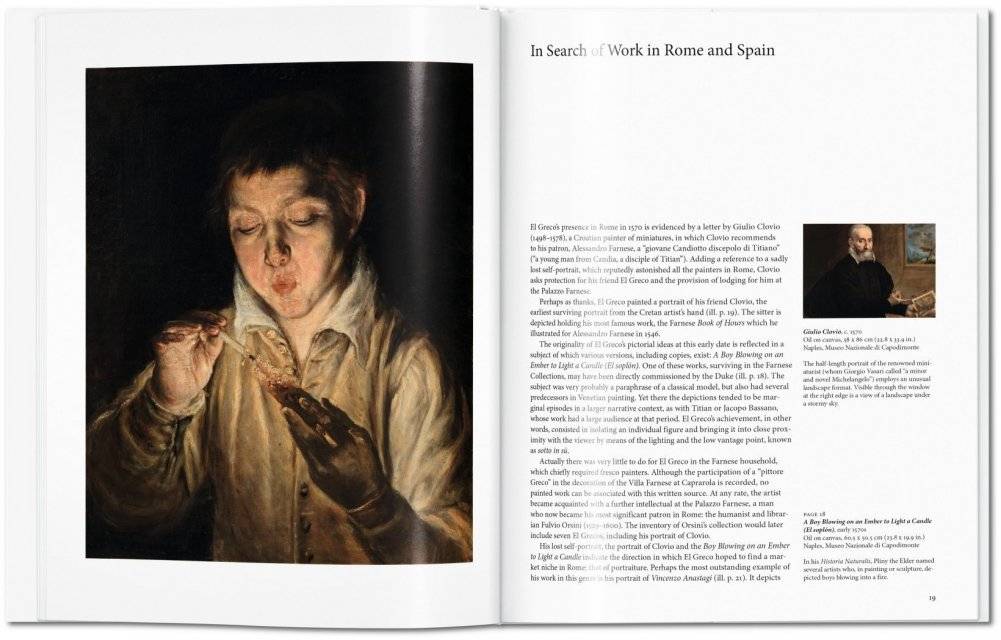
El Greco, born Domenikos Theotokopoulos in Crete in 1541, became a significant figure in art history. Initially influenced by Venetian masters like Titian and Tintoretto, his career took a turn after a bold offer to the Pope. Settling in Spain, he received numerous commissions from religious and noble patrons. His monumental work, "The Burial of the Count of Orgaz," created between 1586 and 1588, remains a masterpiece. El Greco's distinctive use of a limited palette, favoring pale purples, pinks, yellows, and grays, along with his dramatic use of light, profoundly impacted art. His innovative style was later recognized by 20th-century artists like Picasso and the Expressionists as prophetic of modernism.
Who it's for
- Art enthusiasts interested in Renaissance and Mannerist painters.
- Readers exploring the evolution of modern art and its influences.
- Students and scholars of art history.
Key features
- Language: English
- Format: Hardcover
- Publisher: Taschen
- Year: 2016
- Pages: 96
- ISBN: 9783836534536