 US: 2-4 weeks,
  Europe: 1-2 weeks, 🌍 Worldwide: 1-4 weeks ✈️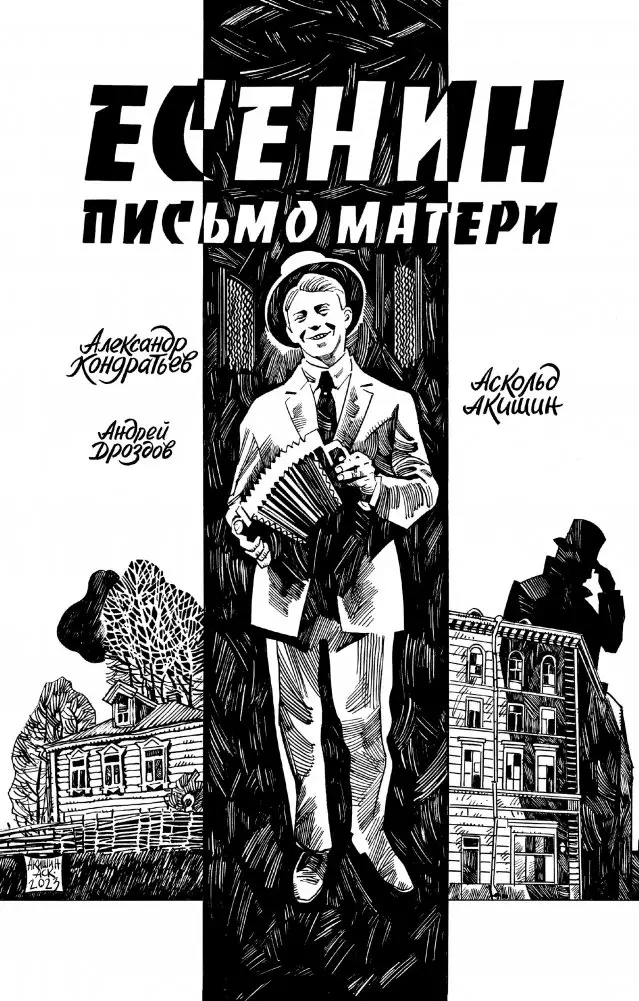
Есенин. Письмо матери | Yesenin: Letter to Mother
By Кондратьев Александр Сергеевич
Есенин. Письмо матери
Кондратьев Александр Сергеевич, 2024, Серия: Классика в комиксах
Обзор
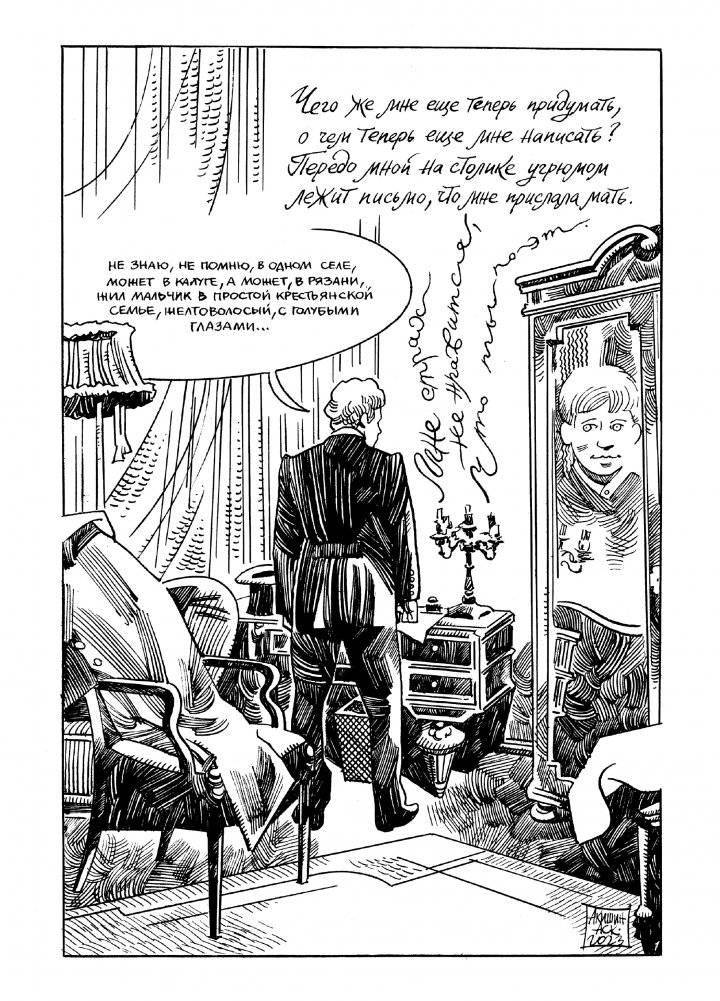
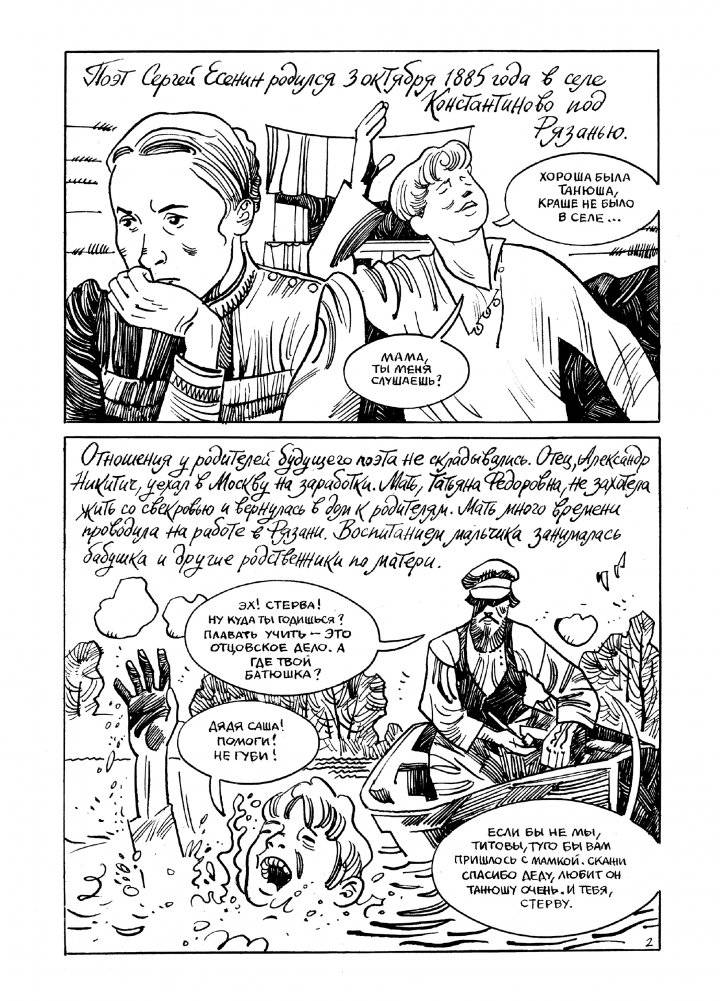
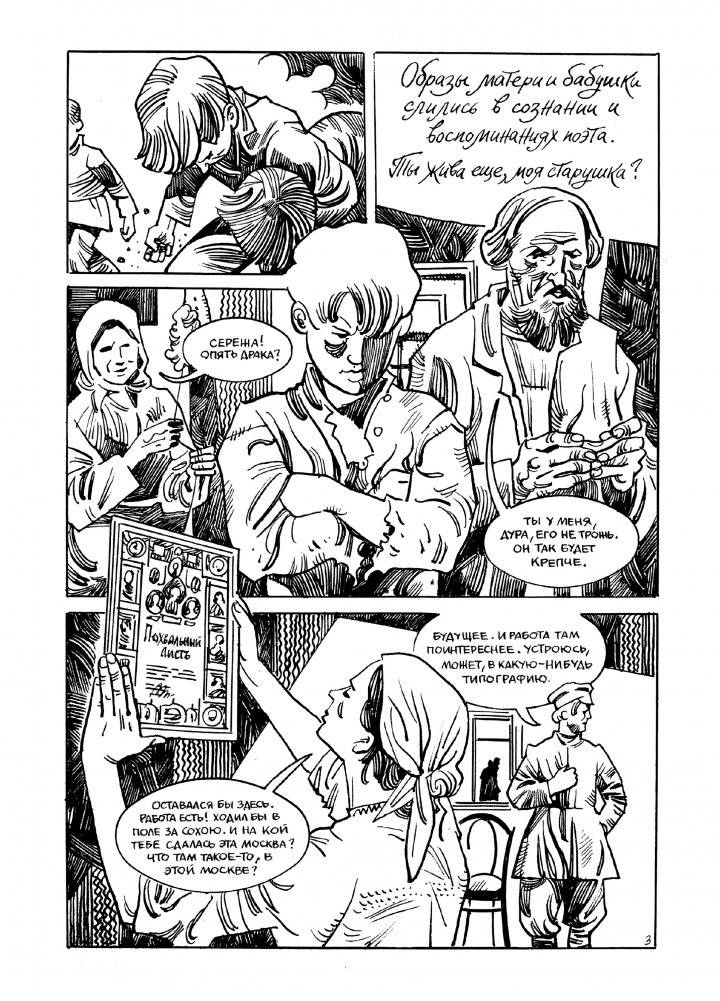
Сергей Есенин — знаковая фигура русской культуры, чье имя неразрывно связано с Россией. За годы, прошедшие с его смерти, образ поэта трансформировался в символ, отделившись от реального человека. Этот графический роман стремится показать Есенина не только как символ, но и как живую, противоречивую личность, исследуя его частную жизнь и двойственную натуру. Он пытается отбросить идеализацию, чтобы представить более реальный образ поэта.
Кому подойдёт
- Любителям творчества Сергея Есенина.
- Поклонникам графических романов и комиксов.
- Интересующимся биографиями выдающихся личностей.
- Читателям от 16 лет.
Ключевые особенности
- Язык: Русский
- Страниц: 72
- Тип обложки: твердая обложка
- ISBN: 9785002420162
- Издательство: Alpaca
- Год издания: 2024
- Серия: Классика в комиксах
Yesenin: Letter to Mother
Alexander Sergeevich Kondratev, 2024, Series: Classics in Comics
Overview
Sergei Yesenin is a prominent figure in Russian culture, his name intrinsically linked with Russia. Over the years since his death, the poet's image has transformed into a symbol, detached from the real person. This graphic novel aims to portray Yesenin not just as a symbol, but as a living, contradictory individual, exploring his private life and dual nature. It seeks to move beyond idealization to present a more authentic image of the poet.
Who it's for
- Fans of Sergei Yesenin's work.
- Appreciators of graphic novels and comics.
- Those interested in the biographies of notable figures.
- Readers aged 16 and up.
Key features
- Language: Russian
- Pages: 72
- Binding: Hardcover
- ISBN: 9785002420162
- Publisher: Alpaca
- Publication Year: 2024
- Series: Classics in Comics