 US: 2-4 weeks,
  Europe: 1-2 weeks, 🌍 Worldwide: 1-4 weeks ✈️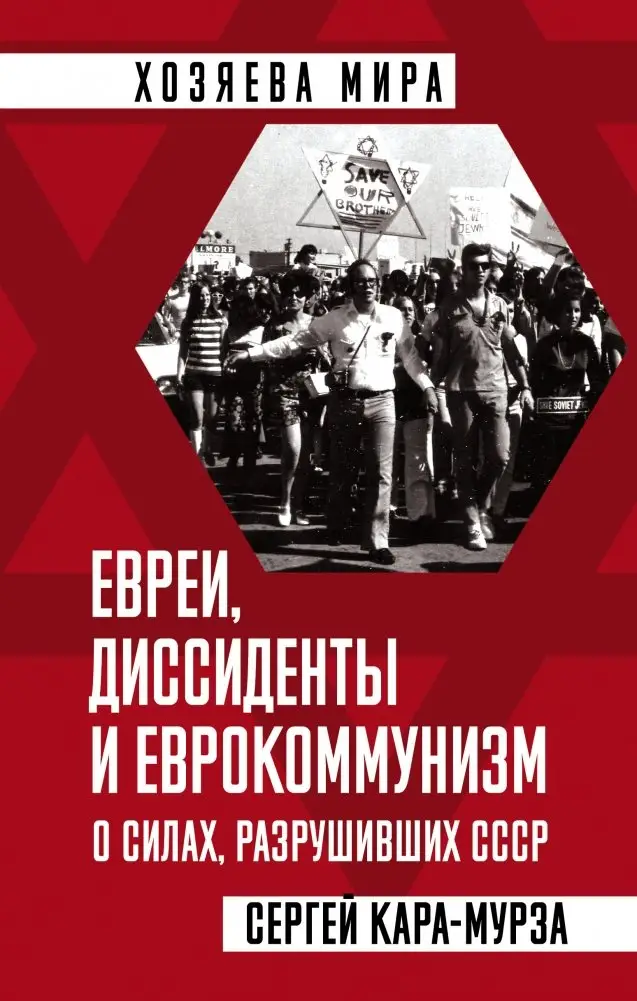
Евреи, диссиденты и еврокоммунизм. О силах, разрушивших СССР | Jews, Dissidents, and Eurocommunism: On the Forces That Destroyed the USSR
By Кара-Мурза Сергей Георгиевич
📚твердый переплёт
$23.99In stock
Code: 9785001802983
Евреи, диссиденты и еврокоммунизм. О силах, разрушивших СССР
Неизвестен
Обзор
Книга посвящена исследованию роли евреев, диссидентов и еврокоммунистов в процессе разрушения Советского Союза.
Кому подойдёт
- Интересующимся историей СССР и политическими процессами XX века.
Ключевые особенности
- Язык: русский
Jews, Dissidents, and Eurocommunism: On the Forces That Destroyed the USSR
Unknown
Overview
This book explores the role of Jews, dissidents, and Eurocommunists in the destruction of the Soviet Union.
Who it's for
- Those interested in the history of the USSR and the political processes of the 20th century.
Key features
- Language: Russian