 US: 2-4 weeks,
  Europe: 1-2 weeks, 🌍 Worldwide: 1-4 weeks ✈️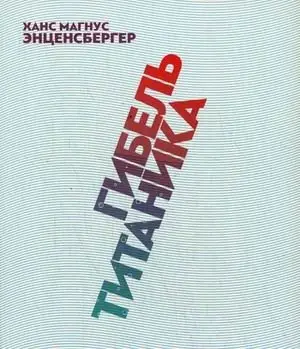
Гибель Титаника | The Sinking of the Titanic
By Энценсбергер Ганс Мангус
Гибель Титаника
Ханс Магнус Энценсбергер, 2019
Обзор
«Гибель Титаника» — это поэма-катастрофа, названная автором «комедией» в ироничном переосмыслении Данте. Произведение исследует темы затухания революционных надежд 1960-х годов и превращения трагедии в культурный миф. Лайнер, символ западной цивилизации, становится метафорой общества благоденствия, чьи пути непредсказуемы, а результаты деятельности невозможно предугадать. Поэма впервые переведена на русский язык.
Кому подойдёт
- Читателям, интересующимся немецкой поэзией второй половины XX века.
- Тем, кто ищет осмысление исторических и социальных метафор.
- Любителям философской лирики и гражданской поэзии.
- Подросткам от 16 лет и старше.
Ключевые особенности
- Язык: Русский
- Тип обложки: мягкая обложка
- Количество страниц: 136
- ISBN: 9785890593498
- Издательство: Лимбах Иван
- Год издания: 2019
The Sinking of the Titanic
Hans Magnus Enzensberger, 2019
Overview
Hans Magnus Enzensberger, a significant German poet of the late 20th century, presents 'The Sinking of the Titanic' as a catastrophe epic he ironically terms a 'comedy.' This work reinterprets Dante's definition, exploring themes from the 'ship of fools' to the 'bright future,' reflecting the fading revolutionary hopes of the 1960s. The poem uses the unsinkable liner, a symbol of Western civilization, as a grand metaphor for a prosperous society whose path is inscrutable and disasters unpredictable. It delves into the idea that historical laws are unknown, and the outcomes of societal evolution and political action are beyond foresight, explaining the failure of utopian ideals. The transformation of the Titanic's demise into a powerful cultural myth is also a central theme.
Who it's for
- Readers interested in German poetry of the late 20th century.
- Those seeking an exploration of historical and social metaphors.
- Fans of philosophical lyrics and civic poetry.
- Readers aged 16 and older.
Key features
- Language: Russian
- Cover type: Softcover
- Pages: 136
- ISBN: 9785890593498
- Publisher: Limbakh Ivan
- Year: 2019