 US: 2-4 weeks,
  Europe: 1-2 weeks, 🌍 Worldwide: 1-4 weeks ✈️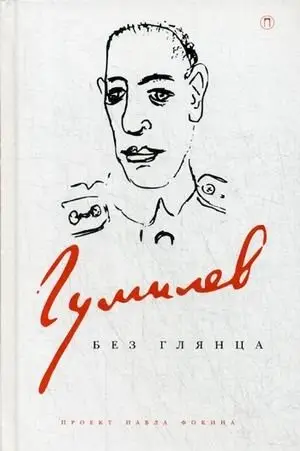
Гумилев без глянца | Gumilev Without Gloss
By Фокин Павел Евгеньевич
Гумилев без глянца
Павел Евгеньевич Фокин, 2016, Серия: Без глянца
Обзор
Николай Гумилев, известный как русский «конквистадор», воспринимался современниками неоднозначно. Одни видели в нем начитанного и тонкого человека, верящего в свою миссию поэта-реформатора, другие считали поверхностным и лишенным глубокого понимания сути вещей. Несмотря на противоречивые мнения, Гумилев остается значимой фигурой Серебряного века, а суждения его друзей и врагов добавляют глубины его образу.
Кому подойдёт
- Интересующимся Серебряным веком русской литературы.
- Тем, кто хочет узнать больше о жизни и личности Николая Гумилева.
- Читателям, предпочитающим биографические исследования.
Ключевые особенности
- Язык: Русский
- Тип обложки: твердый переплет
- Количество страниц: 477
- Издательство: Пальмира
- Год издания: 2016
- ISBN: 9785521000784
- Серия: Без глянца
Gumilev Without Gloss
Pavel Fokin, 2016, Series: Bez glantsa
Overview
Nikolai Gumilev, described as a Russian "conquistador," was viewed with contrasting opinions by his contemporaries. Some perceived him as a well-read and sensitive individual, driven by a belief in his mission as a poet-reformer, while others found him superficial and lacking insight into the deeper meaning of things. Regardless of these differing perspectives, Gumilev is undeniably a prominent hero of the Silver Age, and the judgments of his associates and adversaries offer a more complex understanding of his character.
Who it's for
- Individuals interested in the Silver Age of Russian literature.
- Readers seeking a deeper understanding of Nikolai Gumilev's life and personality.
- Those who appreciate biographical studies.
Key features
- Language: Russian
- Binding: Hardcover
- Pages: 477
- Publisher: Palmyra
- Year: 2016
- ISBN: 9785521000784
- Series: Bez glantsa