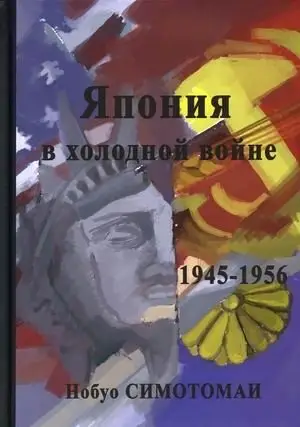
By Π‘ΠΈΠΌΠΎΡΠΎΠΌΠ°ΠΈ ΠΠΎΠ±ΡΠΎ
ΠΠ°Π½Π½Π°Ρ ΠΊΠ½ΠΈΠ³Π° ΠΈΡΡΠ»Π΅Π΄ΡΠ΅Ρ ΡΠ»ΠΎΠΆΠ½ΡΠΉ ΠΏΠ΅ΡΠΈΠΎΠ΄ Π² ΠΈΡΡΠΎΡΠΈΠΈ Π―ΠΏΠΎΠ½ΠΈΠΈ Ρ 1945 ΠΏΠΎ 1956 Π³ΠΎΠ΄. Π ΡΡΠΈ Π³ΠΎΠ΄Ρ ΡΡΡΠ°Π½Π° ΠΏΠ΅ΡΠ΅ΠΆΠΈΠ²Π°Π»Π° Π³Π»ΡΠ±ΠΎΠΊΠΈΠ΅ ΡΡΠ°Π½ΡΡΠΎΡΠΌΠ°ΡΠΈΠΈ ΠΏΠΎΠ΄ Π²Π»ΠΈΡΠ½ΠΈΠ΅ΠΌ Π³Π»ΠΎΠ±Π°Π»ΡΠ½ΠΎΠ³ΠΎ ΠΏΡΠΎΡΠΈΠ²ΠΎΡΡΠΎΡΠ½ΠΈΡ Π₯ΠΎΠ»ΠΎΠ΄Π½ΠΎΠΉ Π²ΠΎΠΉΠ½Ρ. ΠΠ½Π°Π»ΠΈΠ·ΠΈΡΡΡΡΡΡ ΠΊΠ»ΡΡΠ΅Π²ΡΠ΅ ΠΏΠΎΠ»ΠΈΡΠΈΡΠ΅ΡΠΊΠΈΠ΅, ΡΠΎΡΠΈΠ°Π»ΡΠ½ΡΠ΅ ΠΈ ΡΠΊΠΎΠ½ΠΎΠΌΠΈΡΠ΅ΡΠΊΠΈΠ΅ ΠΈΠ·ΠΌΠ΅Π½Π΅Π½ΠΈΡ, ΡΡΠΎΡΠΌΠΈΡΠΎΠ²Π°Π²ΡΠΈΠ΅ ΠΏΠΎΡΠ»Π΅Π²ΠΎΠ΅Π½Π½ΡΡ Π―ΠΏΠΎΠ½ΠΈΡ. ΠΡΠΎΠ±ΠΎΠ΅ Π²Π½ΠΈΠΌΠ°Π½ΠΈΠ΅ ΡΠ΄Π΅Π»ΡΠ΅ΡΡΡ Π²Π»ΠΈΡΠ½ΠΈΡ Π²Π½Π΅ΡΠ½ΠΈΡ ΡΠΈΠ» ΠΈ Π²Π½ΡΡΡΠ΅Π½Π½ΠΈΠΌ ΠΏΡΠΎΡΠ΅ΡΡΠ°ΠΌ Π²ΠΎΡΡΡΠ°Π½ΠΎΠ²Π»Π΅Π½ΠΈΡ ΠΈ ΡΡΠ°Π½ΠΎΠ²Π»Π΅Π½ΠΈΡ Π½ΠΎΠ²ΠΎΠ³ΠΎ Π³ΠΎΡΡΠ΄Π°ΡΡΡΠ²Π΅Π½Π½ΠΎΠ³ΠΎ ΡΡΡΡΠΎΠΉΡΡΠ²Π°. ΠΠ½ΠΈΠ³Π° ΠΏΡΠ΅Π΄Π»Π°Π³Π°Π΅Ρ Π³Π»ΡΠ±ΠΎΠΊΠΎΠ΅ ΠΏΠΎΠ³ΡΡΠΆΠ΅Π½ΠΈΠ΅ Π² ΡΠΎΠ±ΡΡΠΈΡ, ΠΎΠΏΡΠ΅Π΄Π΅Π»ΠΈΠ²ΡΠΈΠ΅ Π΄Π°Π»ΡΠ½Π΅ΠΉΡΠΈΠΉ ΠΏΡΡΡ ΡΠ°Π·Π²ΠΈΡΠΈΡ ΡΡΡΠ°Π½Ρ.
This book examines the complex period in Japanese history from 1945 to 1956. During these years, the country underwent profound transformations influenced by the global confrontation of the Cold War. It analyzes key political, social, and economic changes that shaped post-war Japan. Particular attention is given to the impact of external forces and internal processes of recovery and the establishment of a new state structure. The book offers a deep dive into the events that determined the country's future development path.