 US: 2-4 weeks,
  Europe: 1-2 weeks, 🌍 Worldwide: 1-4 weeks ✈️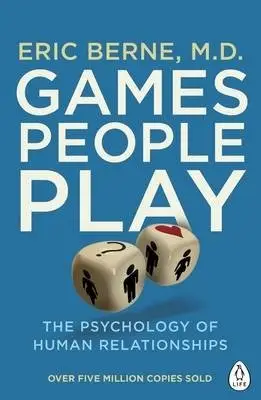
Игры, в которые играют люди. Психология человеческих взаимоотношений | Games People Play: The Psychology of Human Relationships
By Berne Eric
Игры, в которые играют люди. Психология человеческих взаимоотношений
Berne Eric, 2016
Обзор
В книге «Игры, в которые играют люди» Эрик Берн рассматривает психологические игры — повторяющиеся модели поведения, используемые в межличностных отношениях. Эти игры, часто неосознаваемые, служат для удовлетворения скрытых потребностей и избегания близости. Берн анализирует структуру этих игр, выявляя их мотивы, правила и возможные исходы.
Книга предлагает читателю инструменты для распознавания и анализа игр, в которые он вовлечен, а также стратегии для выхода из деструктивных паттернов. Автор показывает, как осознание этих игр может привести к более здоровым и искренним отношениям. Методология Берна включает трансакционный анализ, который помогает понять, как люди взаимодействуют друг с другом на разных уровнях личности (Родитель, Взрослый, Ребенок).
Книга помогает читателям лучше понимать себя и других, улучшать качество общения и строить более гармоничные отношения. Она будет полезна психологам, консультантам, а также всем, кто интересуется психологией межличностных отношений и саморазвитием.
Кому подойдёт
- Тем, кто хочет лучше понимать мотивы поведения людей.
- Студентам психологических факультетов.
- Консультантам и психотерапевтам.
- Всем, кто стремится к улучшению качества межличностных отношений.
- Читателям, интересующимся саморазвитием и самопознанием.
Ключевые особенности
- Язык: Английский.
- Мягкая обложка.
- Количество страниц: 176.
- Издательство: Penguin Group.
- Год издания: 2016.
- ISBN: 9780241257470.
- Размеры: 198x129x11 мм.
Games People Play: The Psychology of Human Relationships
Berne Eric, 2016
Overview
Eric Berne's "Games People Play" explores the psychological games that people engage in during social interactions. These games, often unconscious, are repetitive patterns of behavior used to achieve hidden agendas and avoid genuine intimacy. The book provides a framework for understanding these games, revealing their underlying motives, rules, and potential outcomes.
Berne introduces Transactional Analysis, a method for analyzing interactions to understand the ego states (Parent, Adult, Child) that drive communication. By identifying these ego states, readers can gain insight into their own behavior and the behavior of others, leading to more effective and authentic communication.
This book offers practical tools for recognizing and analyzing the games we play, as well as strategies for breaking free from destructive patterns. It is valuable for anyone seeking to improve their understanding of human behavior, enhance their communication skills, and build healthier relationships. It's a resource for psychologists, counselors, and anyone interested in self-improvement and interpersonal dynamics.
Who it's for
- Individuals seeking to understand the hidden dynamics of social interactions.
- Psychology students and professionals.
- Those interested in improving their communication skills.
- Readers looking for self-awareness and personal growth.
- Anyone wanting to build healthier and more authentic relationships.
Key features
- Language: English.
- Paperback edition.
- 176 pages.
- Published by Penguin Group.
- Publication year: 2016.
- ISBN: 9780241257470.
- Dimensions: 198x129x11 mm.