 US: 2-4 weeks,
  Europe: 1-2 weeks, 🌍 Worldwide: 1-4 weeks ✈️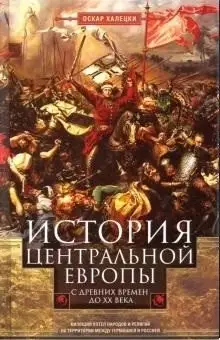
История Центральной Европы с древних времен до ХХ века. Кипящий котел народов и религий на территории между Германией и Россией | History of Central Europe: Peoples and Religions Between Germany and Russia
By Халецки Оскар
История Центральной Европы с древних времен до ХХ века. Кипящий котел народов и религий на территории между Германией и Россией
Халецки Оскар, 2021
Обзор
Профессор Оскар Халецки исследует историю народов Центральной и Восточной Европы от древности до середины XX века. Книга освещает процессы формирования национальной идентичности и становления государств славян, балтийских народов, а также жителей Подунавья и Балкан. Автор анализирует истоки геополитических конфликтов и культурной общности в этом ключевом европейском регионе. Халецки приходит к выводу о необходимости свободы и независимости каждого народа для поддержания баланса сил и развития цивилизации.
Кому подойдёт
- Интересующимся историей Европы.
- Исследователям процессов формирования государств и национальных идентичностей.
- Тем, кто изучает геополитику и культурные связи.
Ключевые особенности
- Язык: Русский
- Тип обложки: твердый переплёт
- Год издания: 2021
- Количество страниц: 544
- Издательство: Центрполиграф
- ISBN: 9785952455818
History of Central Europe: Peoples and Religions Between Germany and Russia
Oskar Halecki, 2021
Overview
Professor Oskar Halecki traces the history of Central and Eastern European peoples from ancient times to the mid-20th century. The book examines the formation of national identities and the establishment of states among Slavic, Baltic, Danubian, and Balkan peoples. Halecki reflects on the origins of geopolitical conflicts and cultural commonalities in this pivotal region of Europe. He concludes that the freedom and independence of each nation are essential for a stable balance of power and the progress of civilization.
Who it's for
- Readers interested in European history.
- Students of state formation and national identity.
- Those studying geopolitics and cultural connections.
Key features
- Language: Russian
- Binding: Hardcover
- Year: 2021
- Pages: 544
- Publisher: Centropoligraf
- ISBN: 9785952455818