 US: 2-4 weeks,
  Europe: 1-2 weeks, 🌍 Worldwide: 1-4 weeks ✈️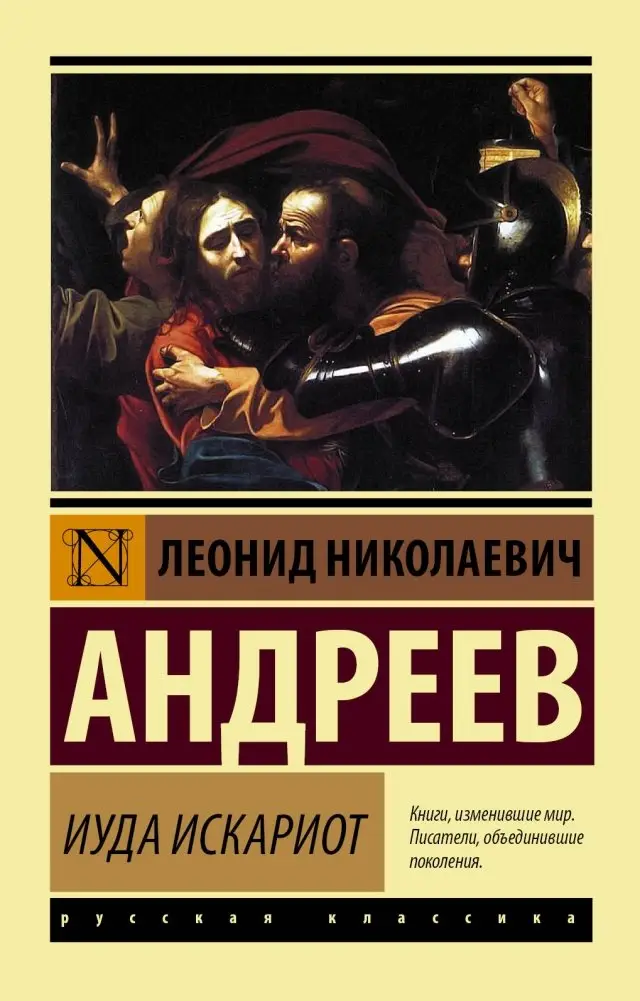
Иуда Искариот | Judas Iscariot
By Андреев Леонид Николаевич
Иуда Искариот
Леонид Андреев, 2021, Серия: Эксклюзив. Русская классика
Обзор
Иуда Искариот, символ предательства и великий грешник, остается одной из самых загадочных фигур Евангелия. Леонид Андреев в своей повести "Иуда Искариот" обращается к этому противоречивому персонажу, исследуя глубины человеческой души. Автор называет произведение "фантазией на тему о предательстве, добре и зле", стремясь понять мотивы поступков Иуды и причины его саморазрушения. Андреев наполняет библейский сюжет психологическим содержанием, размышляя о любви, ненависти, страдании и неизбежности.
Кому подойдёт
- Любителям русской классической литературы.
- Читателям, интересующимся психологическими трактовками библейских сюжетов.
- Тем, кто ищет произведения, исследующие темы добра, зла и человеческих противоречий.
- Подросткам старше 16 лет.
Ключевые особенности
- Язык: Русский
- Тип обложки: мягкая обложка
- Количество страниц: 448
- ISBN: 9785171081584
- Издательство: АСТ
- Год издания: 2021
- Серия: Эксклюзив. Русская классика
Judas Iscariot
Leonid Andreyev, 2021, Series: Exclusive. Russian Classics
Overview
Judas Iscariot, a symbol of betrayal and a great sinner, remains one of the most enigmatic figures in the Gospels. In his novella "Judas Iscariot," Leonid Andreyev delves into this contradictory character, exploring the depths of the human soul. The author describes the work as a "fantasy on the theme of betrayal, good, and evil," seeking to understand Judas's motivations and the reasons for his self-destruction. Andreyev imbues the biblical narrative with psychological depth, contemplating love, hatred, suffering, and inevitability.
Who it's for
- Fans of Russian classic literature.
- Readers interested in psychological interpretations of biblical stories.
- Those seeking works that explore themes of good, evil, and human contradictions.
- Readers aged 16 and older.
Key features
- Language: Russian
- Cover type: Softcover
- Number of pages: 448
- ISBN: 9785171081584
- Publisher: AST
- Publication year: 2021
- Series: Exclusive. Russian Classics