 US: temporary delays — postal services aligning new import rules,
  Europe: 1–2 weeks, 🌍 Worldwide: 1–4 weeks ✈️
Loading...
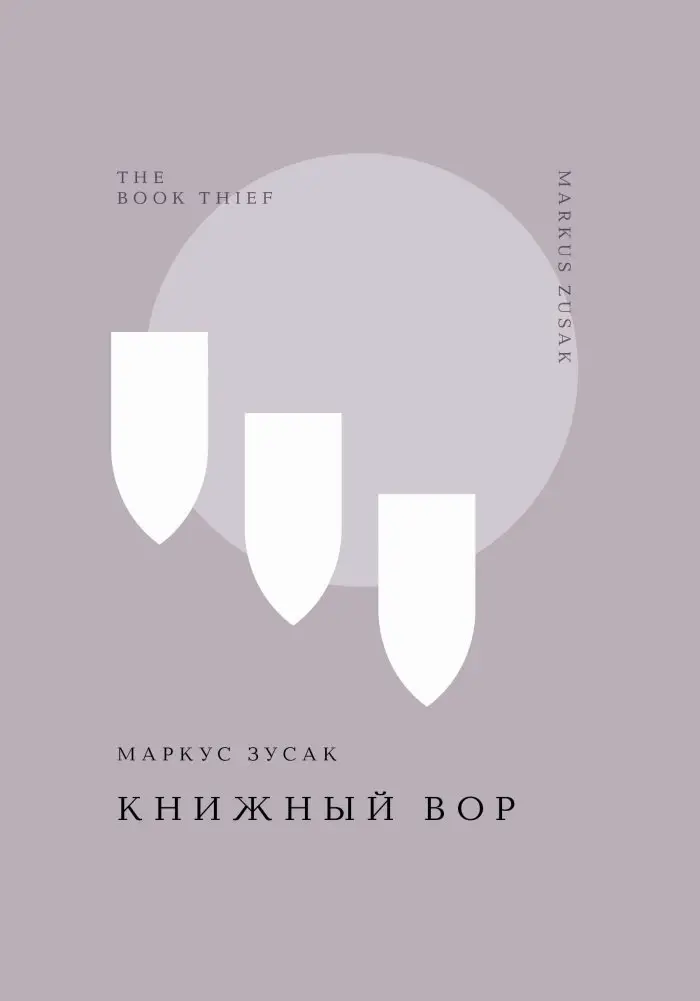
By Маркус Зусак
Маркус Зусак, 2024, Серия: Жемчужина. Классика тихой роскоши
Действие происходит в Германии в январе 1939 года, в преддверии Второй мировой войны. Девятилетняя Лизель Мемингер отправляется к приемным родителям под Мюнхен после того, как ее отец был объявлен коммунистом. В дороге смерть впервые замечает девочку. Лизель оказывается на Химмель-штрассе, или Небесной улице, которая далека от рая. Книга рассказывает о девочке, словах, аккордеонисте, фанатичных немцах, еврейском драчуне и кражах. Она исследует силу слов и способность книг поддерживать душу.
Markus Zusak, 2024, Series: Zhemchuzhina. Klassika tikhoy koshkoshi
Set in Germany in January 1939, as the country holds its breath. Death takes notice of nine-year-old Liesel Meminger as she and her younger brother are taken to foster parents near Munich. Her father has been taken away, labeled a communist, and her mother fears the same fate for her children. Liesel ends up on Himmel Street, a place with a name suggesting heaven but proving otherwise. The story explores the life of a young girl, the power of words, an accordionist, fanatical Germans, a Jewish fighter, and numerous thefts. It highlights how words and books can nourish the soul.