 US: 2-4 weeks,
  Europe: 1-2 weeks, 🌍 Worldwide: 1-4 weeks ✈️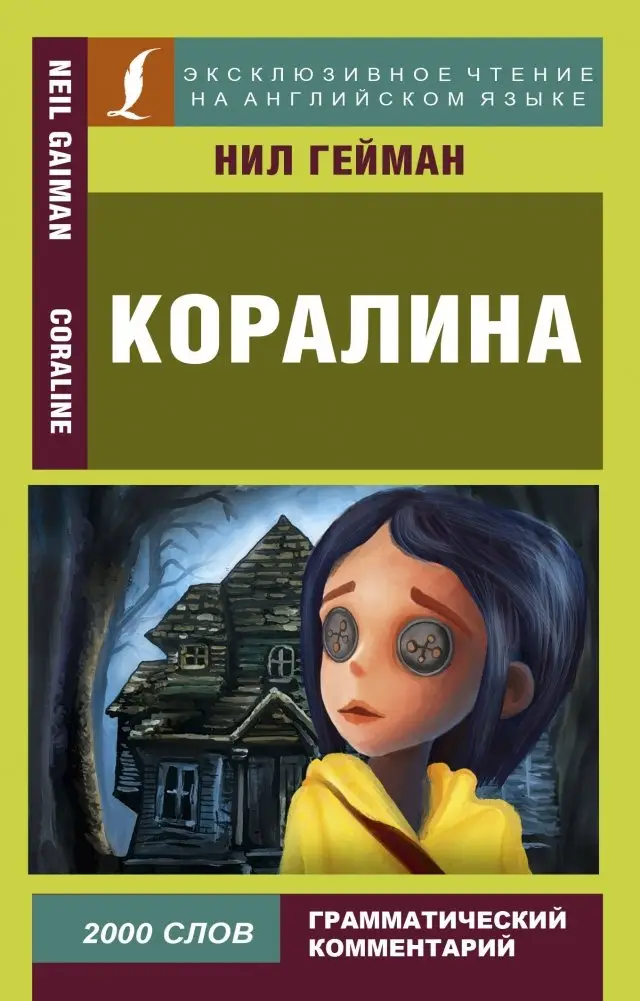


1 / 8
1 / 8
Коралина | Coraline
By Нил Гейман
📖мягкая обложка
$24.99In stock
Code: 9785171121334
Коралина
Нил Гейман
Обзор
Исследуя новый дом, Коралина обнаруживает дверь, ведущую в параллельный мир. Этот мир кажется похожим на её собственный, но с улучшениями: еда вкуснее, игры увлекательнее, а животные умеют говорить. Возникает вопрос, стоит ли оставаться в этом идеальном месте навсегда.
Кому подойдёт
- Читателям, изучающим английский язык.
- Любителям фэнтези и приключений.
- Подросткам от 12 лет.
Ключевые особенности
- Язык: Английский
- Количество страниц: 320
- Тип обложки: Мягкая
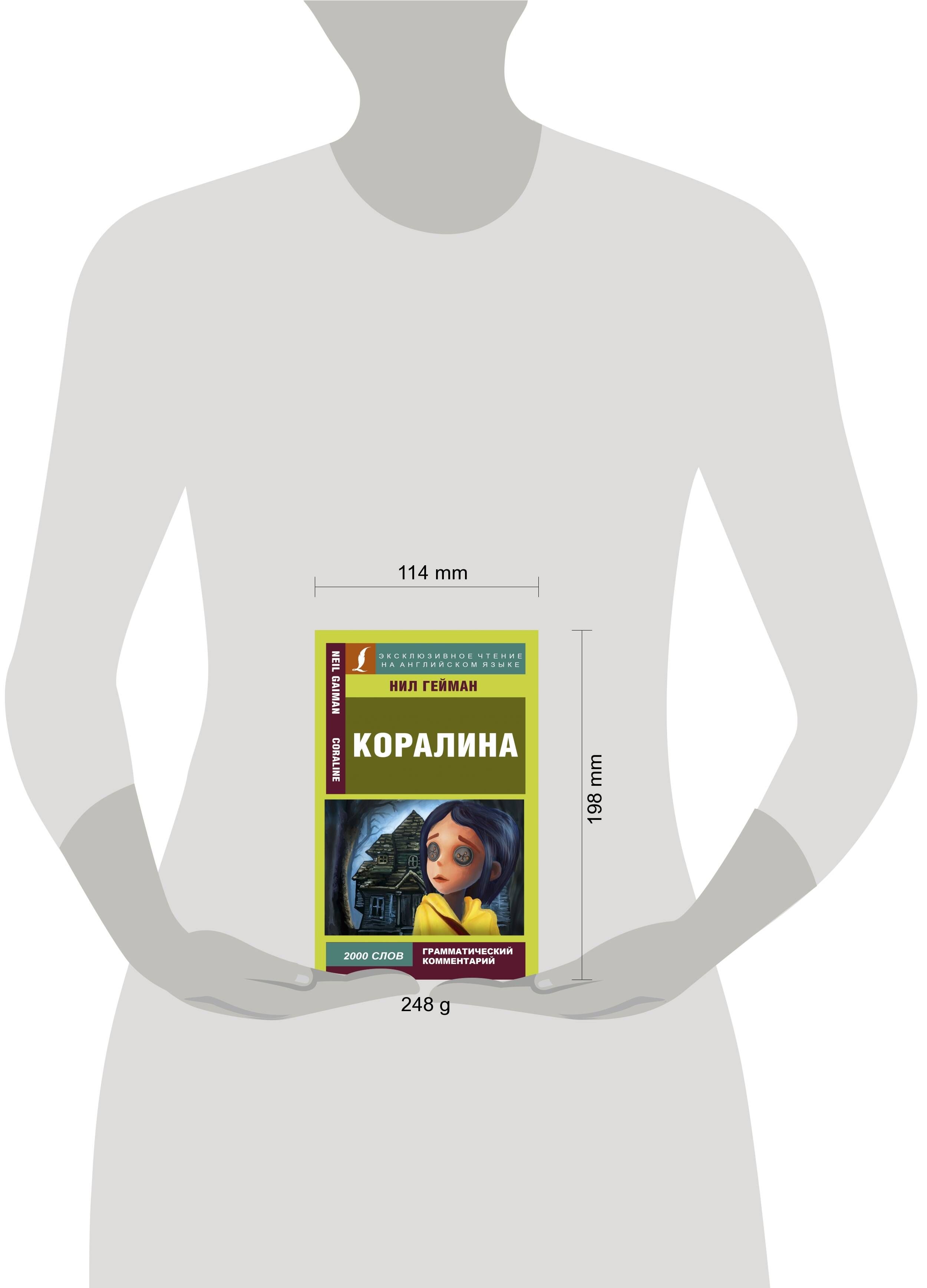
- Издательство: АСТ
- Серия: Эксклюзивное чтение на английском языке
- Год издания: 2022
- ISBN: 9785171121334
Coraline
Neil Gaiman
Overview
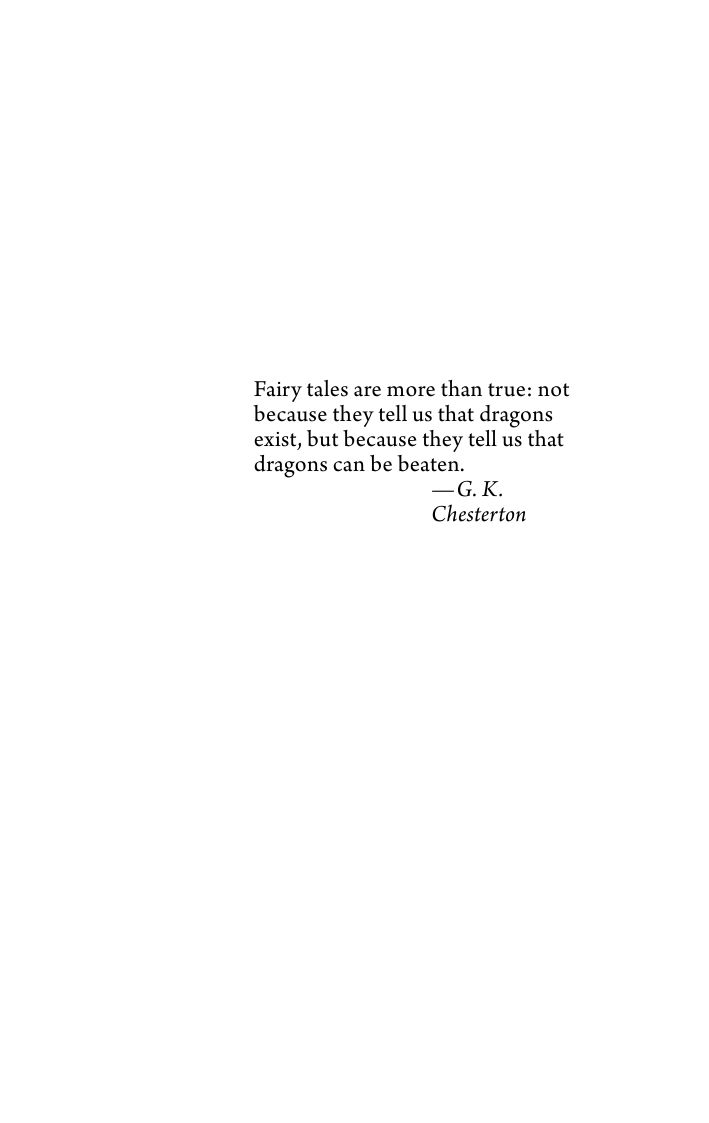
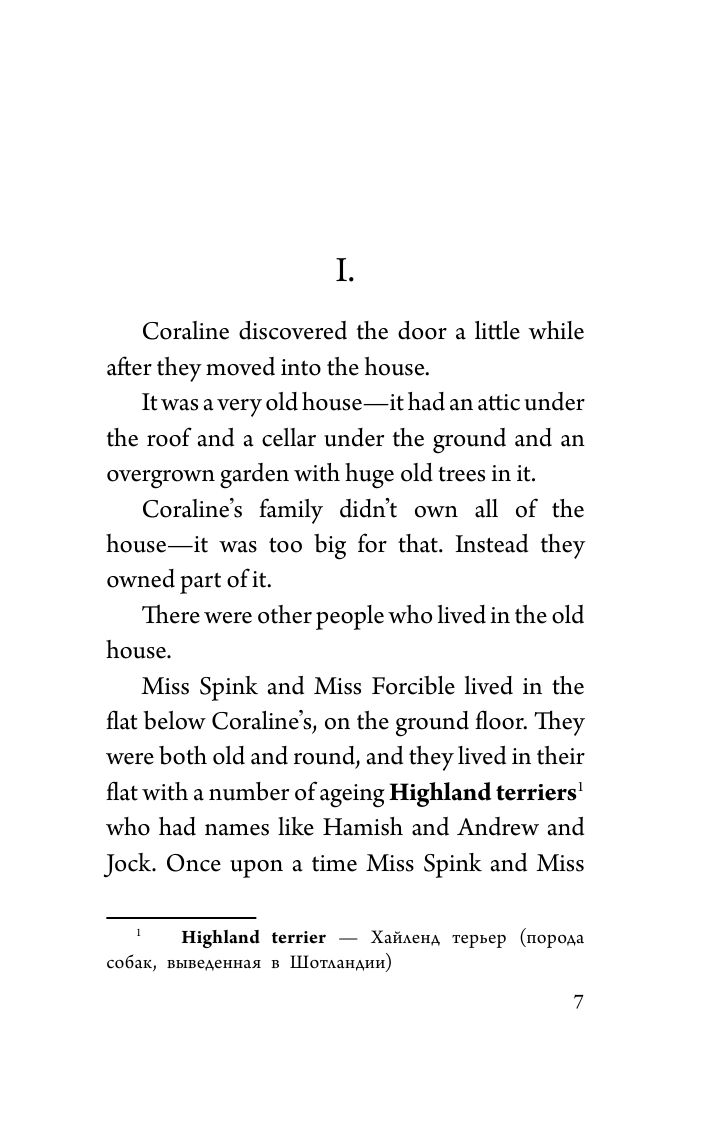
While exploring her new home, Coraline discovers a door that leads to a parallel world. This world appears similar to her own but with enticing improvements: the food is tastier, the games are more engaging, and the animals can talk. The question arises whether it is worth staying in this seemingly perfect place forever.
Who it's for
- Readers learning English.
- Fans of fantasy and adventure.
- Young adults aged 12 and up.
Key features
- Language: English
- Pages: 320
- Binding: Softcover
- Publisher: AST
- Series: Exclusive Reading in English
- Year: 2022
- ISBN: 9785171121334