 US: temporary delays — postal services aligning new import rules,
  Europe: 1–2 weeks, 🌍 Worldwide: 1–4 weeks ✈️
Loading...
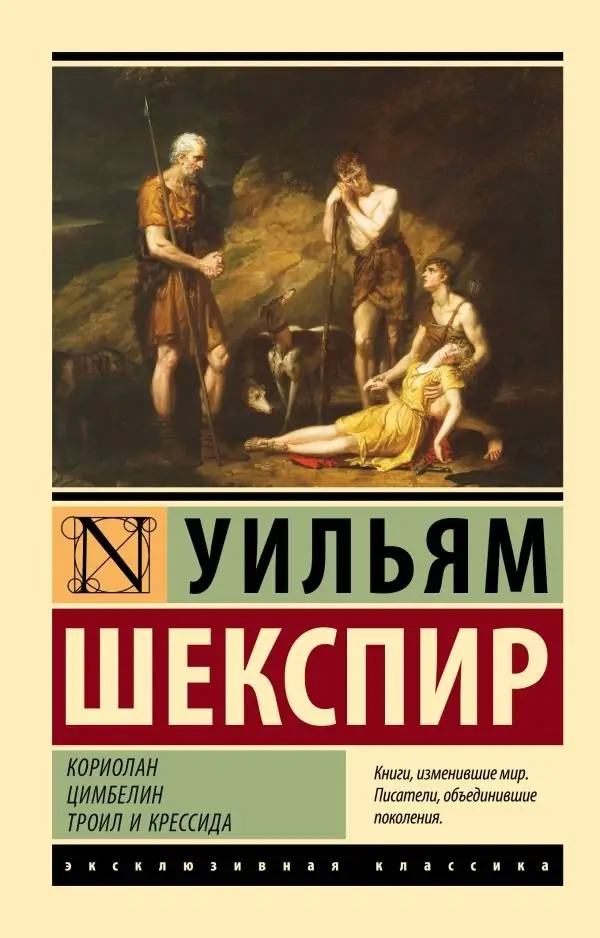
By Шекспир Уильям
Уильям Шекспир, 2024, Серия: Эксклюзивная классика
Этот сборник включает три поздние трагедии Уильяма Шекспира: 'Кориолан', 'Цимбелин' и 'Троил и Крессида'. Пьеса 'Кориолан' рассказывает о взлете и падении римского полководца Гая Марция, получившего прозвище Кориолан после взятия города Кориол. История Имогены в 'Цимбелине' повествует о тайном браке и изгнании ее мужа Леоната Постума по воле разгневанного короля. 'Троил и Крессида' погружает в события Троянской войны, где царевич Троил влюбляется в Крессиду, но их счастью мешает обмен пленными.
William Shakespeare, 2024, Series: Exclusive Classics
This collection features three late tragedies by William Shakespeare: 'Coriolanus', 'Cymbeline', and 'Troilus and Cressida'. 'Coriolanus' chronicles the rise and fall of the Roman general Gaius Marcius, who earns the epithet Coriolanus after capturing the city of Corioli. The story of Imogen in 'Cymbeline' tells of her secret marriage and her husband Leonatus Posthumus's banishment by an enraged king. 'Troilus and Cressida' delves into the Trojan War, where Prince Troilus falls for Cressida, but their union is disrupted by an exchange of prisoners.