 US: 2-4 weeks,
  Europe: 1-2 weeks, 🌍 Worldwide: 1-4 weeks ✈️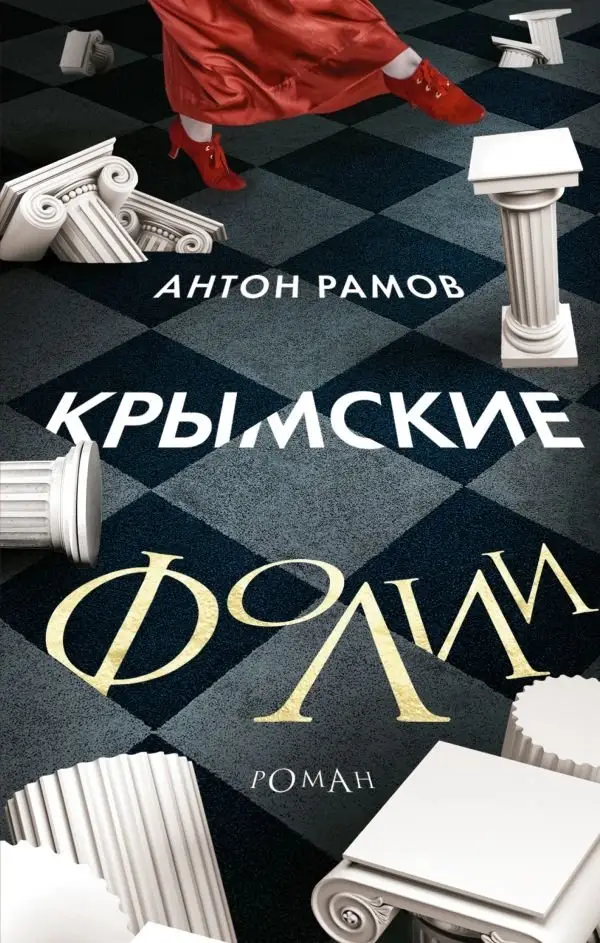
Крымские фолии | Crimean Folios
By Рамов А.
Крымские фолии
Рамов А., 2024, Городская проза
Обзор
Этот сатирический роман-антиутопия с элементами бурлеска погружает читателя в сознание героя, одержимого идеей спасти Крым через похищение картины Архипа Куинджи "Ай-Петри. Крым" из Третьяковской галереи. Кража совершается, и ее последствия начинают влиять на реальность.
Произведение наполнено следами распадающегося сознания, криминальными уликами, барочными танцами и остроумными сюжетными поворотами. Автор размышляет о судьбе России, поиске новых художественных форм и месте бумажной книги в цифровом мире.
Кому подойдёт
- Любителям сатирической прозы и антиутопий.
- Читателям, интересующимся размышлениями о современном искусстве и судьбе России.
- Тем, кто ценит остроумные сюжетные повороты и нетривиальные повествования.
Ключевые особенности
- Язык: русский
- Страниц: 160
- Издательство: АСТ
- Серия: Городская проза
- Год издания: 2024
- ISBN: 9785171545215
Crimean Folios
Ramov A., 2024, Urban Prose
Overview
This satirical dystopian novel, infused with burlesque elements, plunges the reader into the mind of a protagonist convinced that stealing Arkhip Kuindzhi's painting "Ai-Petri. Crimea" from the Tretyakov Gallery is the only way to help his country retain the peninsula. The theft occurs, and its consequences begin to ripple through reality.
The book is filled not only with traces of the hero's disintegrating consciousness, criminal clues, baroque dances, and witty plot twists, but also with the author's reflections, echoing the philosophical novels of the Enlightenment, on contemporary concerns: the fate of Russia, the search for new artistic forms, and the place of the physical book in the digital age.
Who it's for
- Readers who enjoy satirical fiction and dystopian narratives.
- Those interested in reflections on contemporary art and Russia's future.
- Fans of witty plot twists and unconventional storytelling.
Key features
- Language: Russian
- Pages: 160
- Publisher: AST
- Series: Urban Prose
- Publication Year: 2024
- ISBN: 9785171545215