 US: 2-4 weeks,
  Europe: 1-2 weeks, 🌍 Worldwide: 1-4 weeks ✈️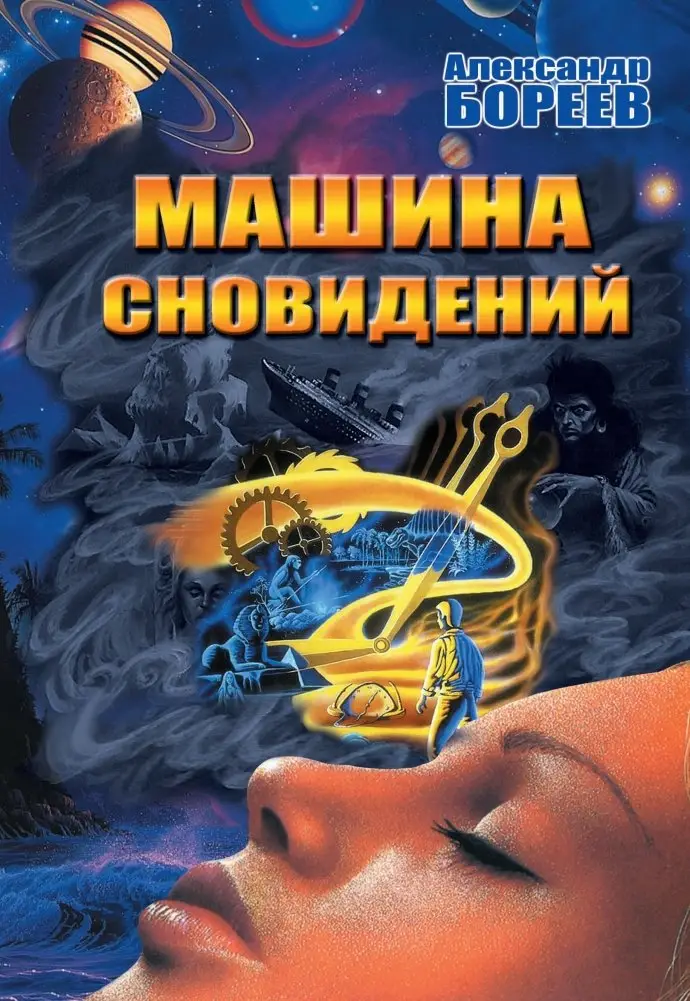
Машина сновидений | The Dream Machine
By Бореев Александр Николаевич
Машина сновидений
Александр Бореев
Обзор
Книга исследует концепцию «машины сновидений», представляющей собой человеческий ум, который непрерывно создает иллюзорные истории, формирующие наше восприятие жизни. Аномальные явления и чудеса рассматриваются как «сбои» в этой машине, указывающие на иллюзорность реальности. Автор утверждает, что истинное «Я» и мир не нуждаются в изменении, а лишь в изменении мировосприятия. Понимание достигается через сдвиг сознания от преходящего к неизменной основе, а не через внешние практики.
Кому подойдёт
- Читателям, интересующимся философией сознания.
- Тем, кто ищет пути к самопознанию и изменению мировосприятия.
- Людям, размышляющим о природе реальности и иллюзий.
Ключевые особенности
- Язык: Русский
- Тип обложки: мягкая обложка
- Количество страниц: 208
- ISBN: 9785413018330
- Издательство: Амрита-Русь
- Год издания: 2018
The Dream Machine
Alexander Boreev
Overview
This book explores the concept of the "dream machine," representing the human mind that continuously creates illusory narratives shaping our perception of life. Anomalies and miracles are presented as "glitches" in this machine, hinting at the illusory nature of reality. The author posits that the true self and the world do not require alteration, but rather a shift in perception. Understanding is achieved by moving consciousness from the transient to the immutable foundation, independent of external practices.
Who it's for
- Readers interested in the philosophy of consciousness.
- Individuals seeking paths to self-discovery and altered perception.
- Those contemplating the nature of reality and illusion.
Key features
- Language: Russian
- Binding: Softcover
- Pages: 208
- ISBN: 9785413018330
- Publisher: Amrita-Rus
- Publication Year: 2018