 US: 2-4 weeks,
  Europe: 1-2 weeks, 🌍 Worldwide: 1-4 weeks ✈️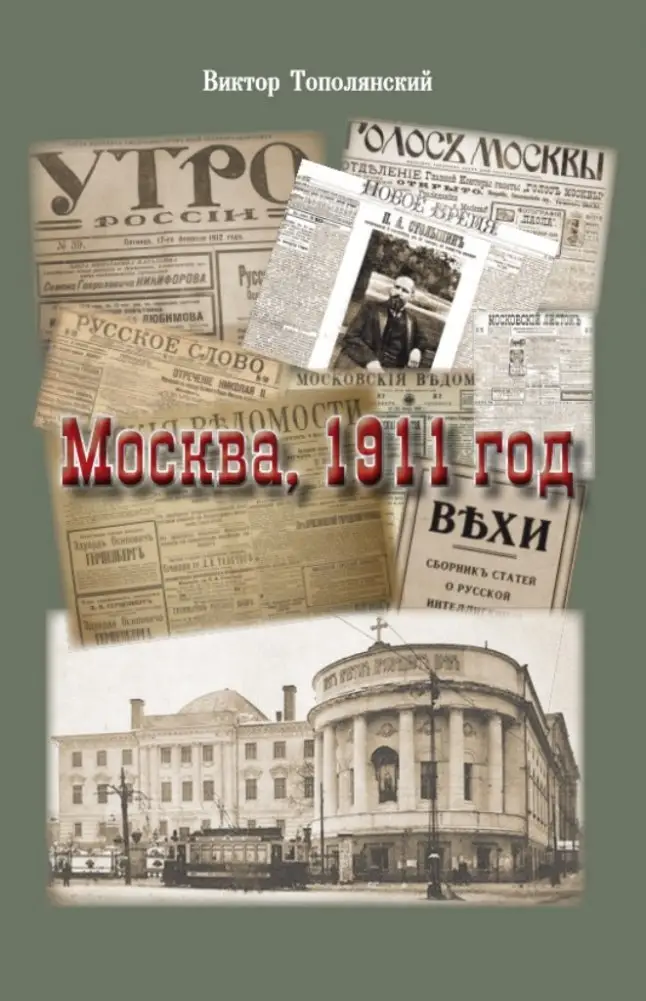
Москва, 1911 год | Moscow, 1911
By Тополянский Виктор Давидович
Москва, 1911 год
Виктор Тополянский
Обзор
В 1909 году группа российских мыслителей опубликовала сборник «Вехи», критически оценив мировоззрение интеллигенции. Данное исследование рассматривает события 1911 года в Москве, которые стали иллюстрацией к этим оценкам. Особое внимание уделяется коллективной отставке преподавателей Московского университета и особенностям проведения врачебных съездов. Эти резонансные события отразили психологический портрет интеллигенции, описанный авторами «Вех».
Кому подойдёт
- Интересующимся историей России начала XX века.
- Исследователям русского интеллектуального движения.
- Тем, кто изучает общественные настроения и их отражение в событиях.
Ключевые особенности
- Язык: Русский
- Страниц: 232
- Издательство: Тончу
- Год издания: 2018
- ISBN: 9785912151422
Moscow, 1911
Viktor Topolyansky
Overview
In 1909, a group of prominent Russian thinkers published the collection "Vekhi," offering a critical assessment of the intelligentsia's worldview. This historical investigation examines events in Moscow during 1911 that served as a vivid illustration of these critiques. It focuses on the collective resignation of professors from Moscow University and specific aspects of medical congresses held that year. These widely discussed incidents provided a unique insight into the psychological profile of the intelligentsia, as depicted by the "Vekhi" authors.
Who it's for
- Readers interested in early 20th-century Russian history.
- Students of Russian intellectual movements.
- Those studying societal attitudes and their reflection in historical events.
Key features
- Language: Russian
- Pages: 232
- Publisher: Tonchu
- Publication Year: 2018
- ISBN: 9785912151422