 US: temporary delays — postal services aligning new import rules,
  Europe: 1–2 weeks, 🌍 Worldwide: 1–4 weeks ✈️
Loading...
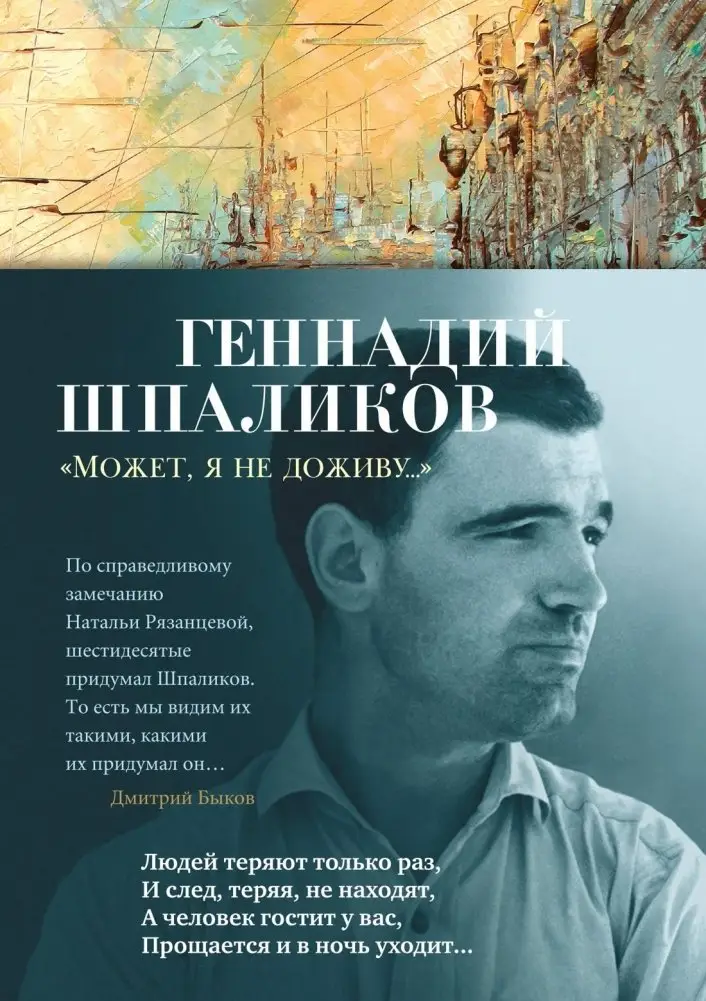
By Шпаликов Геннадий Федорович
Геннадий Шпаликов, 2024, Серия: Азбука-поэзия
Геннадий Шпаликов, поэт и сценарист, чье имя ассоциируется с "оттепелью" и ее дыханием свободы в искусстве шестидесятников. Его стихи, написанные на протяжении всей жизни, были неотъемлемой частью сценариев и легли в основу известных песен, таких как "Пароход белый-беленький". Шпаликов также выступил режиссером фильма "Долгая счастливая жизнь", отмеченного на фестивале в Бергамо, хотя и остался незамеченным на родине. Его творчество пронизано "нежной безнадежностью" и ощущением счастья в простых вещах.
Gennady Shpalikov, 2024, Series: Azbuka-Poetry
Gennady Shpalikov, a poet and screenwriter, is closely linked to the "Thaw" era and the fresh breath of freedom it brought to the art of the 1960s generation. He wrote poetry throughout his life, incorporating it into his screenplays and creating songs. His works, including "White Steamboat" and songs from the film "I Walk Through Moscow," were widely popular. In 1966, Shpalikov directed "A Long Happy Life" based on his own script, which received the Grand Prix at the Bergamo International Film Festival of Author's Cinema but went largely unnoticed in the USSR, as did many of his cinematic works. Shpalikov's own life was not long or happy, but the "tender hopelessness" and the unique sense of happiness found in simple things continue to shine through his texts.