 US: 2-4 weeks,
  Europe: 1-2 weeks, 🌍 Worldwide: 1-4 weeks ✈️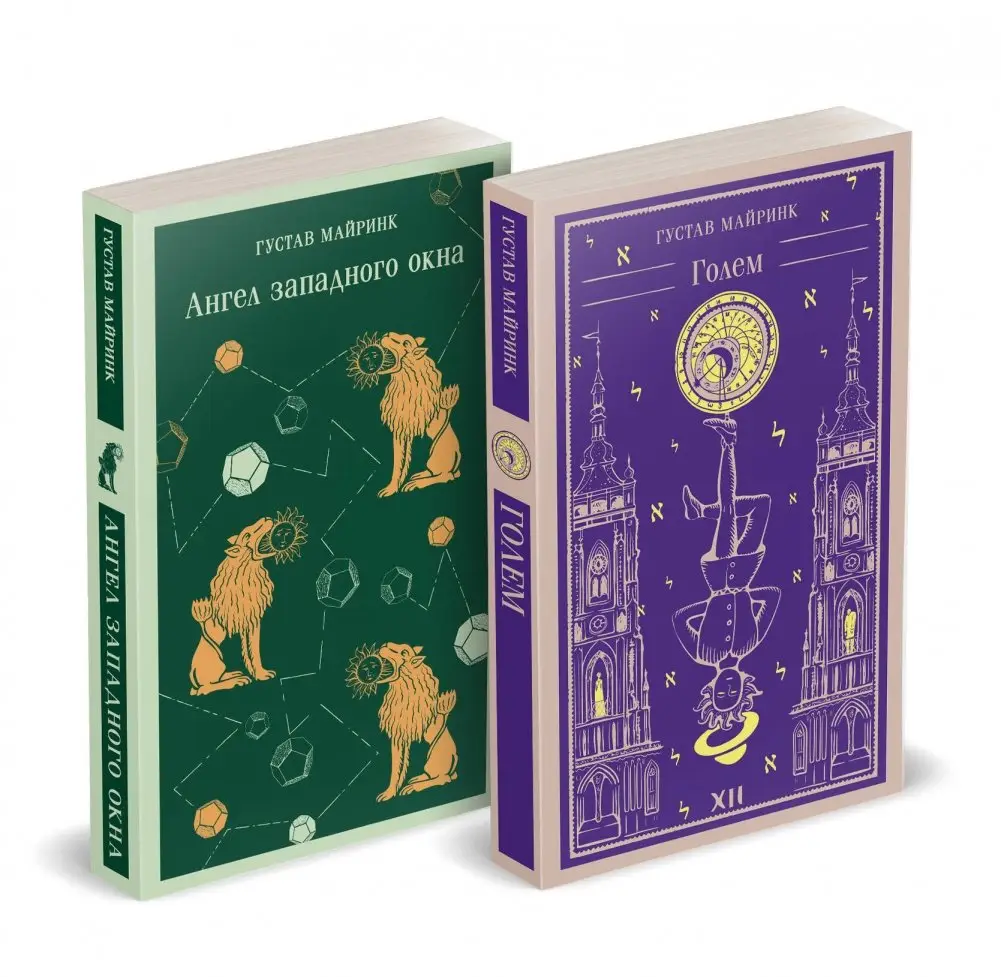
Набор "Реальность или сон" - романы Густава Майринка | Gustav Meyrink's "Reality or Dream" Set
By Майринк Густав
Набор "Реальность или сон" - романы Густава Майринка
Густав Майринк
Обзор
Этот комплект включает два знаковых романа Густава Майринка: "Голем" и "Ангел западного окна". Майринк, интересовавшийся оккультизмом, теософией и восточными практиками, поддерживал образ алхимика. Его глубокое изучение каббалы и спиритизма нашло яркое отражение в "Големе", одном из самых известных мистических произведений. В этих фантастико-философских романах австрийский писатель исследует сложный мир человеческой психики, став частью знаменитой пражской литературной школы наряду с Кафкой и Перуцем.
Кому подойдёт
- Любителям мистической и философской прозы.
- Интересующимся оккультизмом и эзотерикой.
- Ценителям пражской литературной школы.
- Читателям старше 16 лет.
Ключевые особенности
- Язык: Русский
- Тип обложки: Мягкая обложка
- Издательство: Эксмо
- Серия: Магистраль. Главный тренд
- Штрих код: 9785042159664
Gustav Meyrink's "Reality or Dream" Set
Gustav Meyrink
Overview
This set features two seminal novels by Gustav Meyrink: "The Golem" and "The Angel of the West Window." Meyrink, who explored occultism, theosophy, and Eastern practices, cultivated an image as an alchemist. His profound studies of Kabbalah and spiritualism are vividly expressed in "The Golem," a renowned mystical work. Through these fantastic and philosophical novels, the Austrian writer delves into the intricate landscape of the human psyche, contributing to the celebrated Prague literary school alongside Kafka and Perutz.
Who it's for
- Readers of mystical and philosophical prose.
- Those interested in occultism and esotericism.
- Appreciators of the Prague literary school.
- Readers aged 16 and above.
Key features
- Language: Russian
- Binding: Softcover
- Publisher: Eksmo
- Series: Magistral. Main Trend
- ISBN: 9785042159664