 US: 2-4 weeks,
  Europe: 1-2 weeks, 🌍 Worldwide: 1-4 weeks ✈️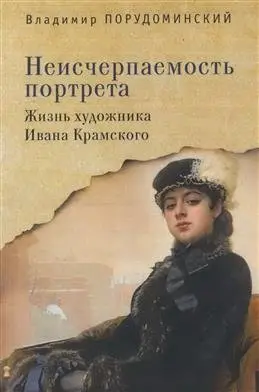
Неисчерпаемость портрета. Жизнь художника Ивана Крамского | The Inexhaustibility of the Portrait: The Life of Artist Ivan Kramskoi
By Порудоминский В.
Неисчерпаемость портрета. Жизнь художника Ивана Крамского
В. Порудоминский, 2021
Обзор
Иван Николаевич Крамской (1837-1887) — один из выдающихся русских художников, чьи работы завоевали любовь зрителей. Его кисти принадлежат такие известные картины, как "Христос в пустыне", "Неутешное горе" и "Неизвестная". Благодаря Крамскому, образы многих значимых фигур русской культуры и науки, включая Льва Толстого и Николая Некрасова, сохранились для потомков. Художник также был активным общественным деятелем и одним из основателей Товарищества передвижников. Эта книга рассказывает о его жизни, творческом пути и вкладе в популяризацию искусства.
Кому подойдёт
- Любителям русского искусства XIX века
- Интересующимся биографиями художников
- Исследователям истории Товарищества передвижников
Ключевые особенности
- Язык: Русский
- Страниц: 326
- Тип обложки: твердый переплет
- Издательство: Алетейя
- Год издания: 2021
- ISBN: 9785001652250
The Inexhaustibility of the Portrait: The Life of Artist Ivan Kramskoi
V. Porudominsky, 2021
Overview
Ivan Nikolaevich Kramskoi (1837-1887) is among the most renowned Russian artists, whose works have earned lasting admiration. His brush created iconic paintings such as "Christ in the Desert," "Inconsolable Grief," and "The Unknown Woman." Kramskoi's portraits immortalized many prominent figures in Russian literature, art, and science, including Leo Tolstoy and Nikolai Nekrasov. Beyond his artistic achievements, he was a significant public figure and a co-founder of the Peredvizhniki (The Wanderers) movement. This book delves into his life, artistic journey, and his efforts to promote art appreciation within society.
Who it's for
- Fans of 19th-century Russian art
- Readers interested in artist biographies
- Those studying the history of the Peredvizhniki movement
Key features
- Language: Russian
- Pages: 326
- Binding: Hardcover
- Publisher: Aleteyya
- Publication Year: 2021
- ISBN: 9785001652250