 US: 2-4 weeks,
  Europe: 1-2 weeks, 🌍 Worldwide: 1-4 weeks ✈️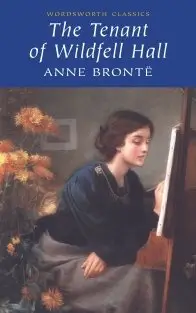
Незнакомка из Уайлдфелл-Холла | The Tenant of Wildfell Hall
By Бронте Энн
Незнакомка из Уайлдфелл-Холла
Энн Бронте, 1996, серия Wordsworth Classics
Обзор
«Незнакомка из Уайлдфелл-Холла» – это пронзительный роман, затрагивающий темы любви, ожидания, угнетения, греха, религии и предательства. В центре повествования – история Элен Хантингдон, таинственной «незнакомки», и ее брака с деспотичным мужем, страдающим алкоголизмом. Элен, нарушая общественные нормы, оставляет супруга, чтобы защитить сына от его влияния, и начинает зарабатывать на жизнь как художница. Скрываясь в Уайлдфелл-Холле, она встречает Гилберта Маркхэма, который влюбляется в нее.
Опубликованный в 1848 году, роман вызвал споры из-за своей откровенности и реалистичного изображения жестокости. Энн Бронте смело критикует социальные устои XIX века, защищая права женщин, подвергающихся психологическому насилию. Ее стиль отличается прямотой и страстью, что позволило ей занять достойное место в английской литературе.
Кому подойдёт
- Поклонникам классической английской литературы.
- Тем, кто интересуется викторианской эпохой и ее социальными проблемами.
- Читателям, ценящим сильные женские характеры.
- Любителям романов о любви, предательстве и искуплении.
- Тем, кто изучает историю феминизма и борьбы за права женщин.
Ключевые особенности
- Язык: Английский.
- Мягкая обложка.
- 432 страницы.
- Издательство: Wordsworth.
- Серия: Wordsworth Classics.
- ISBN: 9781853264887.
- Размеры: 128x197x23 мм.
The Tenant of Wildfell Hall
Anne Brontë, 1996, Wordsworth Classics
Overview
The Tenant of Wildfell Hall delves into themes of love, expectation, oppression, sin, religion, and betrayal within the confines of Victorian society. The narrative centers on Helen Huntingdon, the enigmatic 'tenant,' and her tumultuous marriage to a dissolute, alcoholic husband. Defying societal norms, Helen flees her abusive spouse to safeguard her young son from his detrimental influence, forging an independent path as an artist. While seeking refuge at Wildfell Hall, she encounters Gilbert Markham, sparking a profound connection.
Upon its initial release in 1848, Anne Brontë's novel faced criticism for its candid portrayal of brutality and social injustice. It challenges the rigid social conventions of the early nineteenth century, advocating for women's rights in the face of psychological abuse. Brontë's bold and passionate style solidifies her position as a significant voice in English literature, offering a compelling exploration of love, freedom, and societal constraints.
Who it's for
- Readers of classic English literature.
- Those interested in Victorian-era social issues.
- Readers who appreciate strong female characters.
- Individuals interested in the history of feminism.
- Students of literature and social history.
Key features
- Language: English.
- Paperback edition.
- 432 pages.
- Publisher: Wordsworth.
- Series: Wordsworth Classics.
- ISBN: 9781853264887.
- Dimensions: 128x197x23 mm.