 US: 2-4 weeks,
  Europe: 1-2 weeks, 🌍 Worldwide: 1-4 weeks ✈️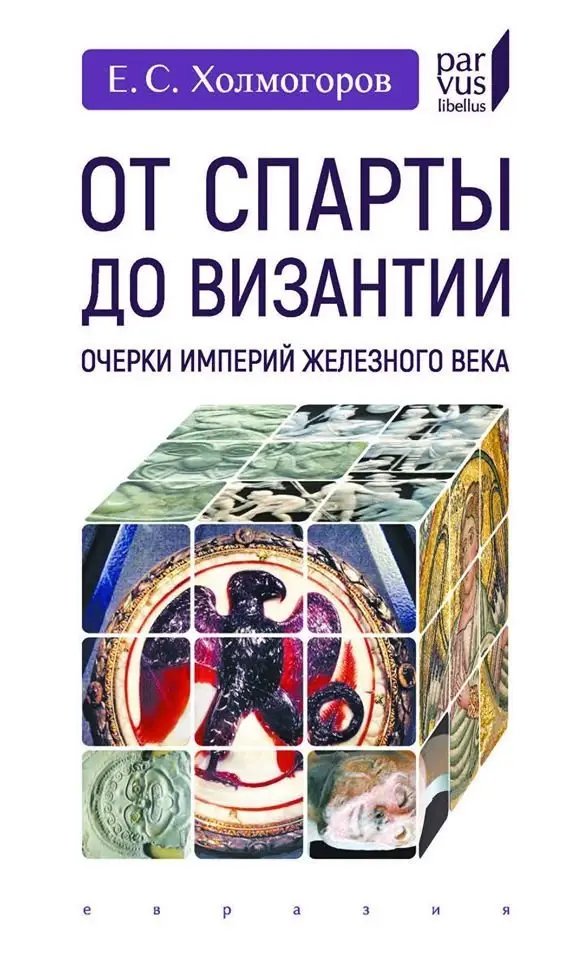
От Спарты до Византии. Очерки империй Железного века | From Sparta to Byzantium: Essays on the Iron Age Empires
By Холмогоров Егор Станиславович
От Спарты до Византии. Очерки империй Железного века
Обзор
«От Спарты до Византии» — сборник эссе, прослеживающих развитие империй Железного века от греческой Спарты до ранней Византии. Егор Станиславович Холмогоров анализирует военные структуры, экономические сети и культурные контакты, связывающие эти государства. В книге показано, как география и технологии влияли на стратегии империй. Труд предназначен для читателей, интересующихся древней историей, и сочетает академическую точность с доступным изложением. Издание вышло в 2020 году издательством «Евразия» в твёрдом переплёте, входит в серию Parvus Libellus.
Кому подойдёт
- Студенты и исследователи древней истории
- Читатели, интересующиеся политикой и культурой эпохи Железного века
- Любители истории, желающие получить целостный обзор империй Средиземноморья
Ключевые особенности
- Автор: Егор Станиславович Холмогоров
- Издание: Евразия, 2020 год
- Твердый переплёт, 192 страницы
- Входит в серию Parvus Libellus
- ISBN 9785807104625
- Исследует политическое и культурное развитие империй Железного века от Спарты до Византии
From Sparta to Byzantium: Essays on the Iron Age Empires
Overview
From Sparta to Byzantium presents a series of scholarly essays that trace the rise and fall of Iron Age empires across the Mediterranean and Near East. Egor S. Kholmogorov examines military structures, economic networks, and cultural exchanges that linked Sparta, the Persian realms, and the early Byzantine state. The book highlights how geography and technology shaped the strategies of these powers. Written for readers interested in ancient history, the volume combines rigorous research with accessible narrative. It is published in Russian by Eurasia as a hardcover in the Parvus Libellus series.
Who it's for
- Students and scholars of ancient history
- Readers interested in the political and cultural dynamics of the Iron Age
- History enthusiasts looking for a concise yet comprehensive overview of Mediterranean empires
Key features
- Author: Egor S. Kholmogorov
- Published by Eurasia in 2020
- Hardcover edition with 192 pages
- Part of the Parvus Libellus series
- Written in Russian, ISBN 9785807104625
- Focuses on the political and cultural development of Iron Age empires from Sparta to Byzantium