 US: 2-4 weeks,
  Europe: 1-2 weeks, 🌍 Worldwide: 1-4 weeks ✈️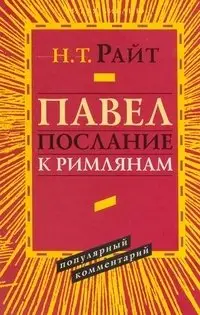
Павел. Послание к Римлянам. Популярный комментарий | Paul. Letter to the Romans. Popular Commentary
By Райт Николас Томас
📚твердый переплёт
$48.99In stock
Code: 9785986471914
Павел. Послание к Римлянам. Популярный комментарий
Обзор
Послание к Римлянам – богословское наследие апостола Павла, выдающегося миссионера и мыслителя раннего христианства. В книге изложено учение о духовном кризисе и спасении человечества, а также о судьбе Израиля. Книга предназначена для широкого круга читателей.
Кому подойдёт
- Широкий круг читателей, интересующихся богословием
- Интересующимся историей раннего христианства
- Изучающим труды апостола Павла
Ключевые особенности
- Автор: Райт Николас Томас
- 253 страницы
- Твердый переплет
- Издательство: Библейско-богословский институт св. апостола Андрея (ББИ)
- Серия: Читая Библию. Популярный комментарий
Paul. Letter to the Romans. Popular Commentary
Overview
The Letter to the Romans is the theological legacy of the Apostle Paul, a prominent missionary and thinker of early Christianity. The book outlines the doctrine of the spiritual crisis and salvation of mankind, as well as the fate of Israel. The book is intended for a wide range of readers.
Who it's for
- General readers interested in theology
- Those interested in the history of early Christianity
- Students of the works of the Apostle Paul
Key features
- Author: Wright Nicholas Thomas
- 253 pages
- Hardcover
- Publisher: Biblical and Theological Institute of St. Apostle Andrew (BBI)
- Series: Reading the Bible. Popular Commentary