 US: 2-4 weeks,
  Europe: 1-2 weeks, 🌍 Worldwide: 1-4 weeks ✈️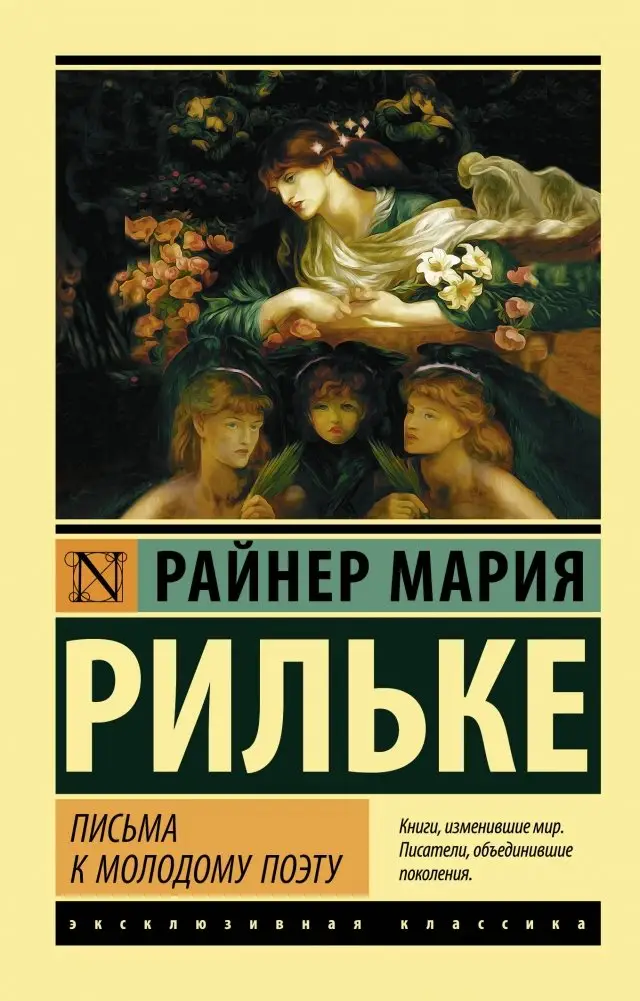
Письма к молодому поэту | Letters to a Young Poet
By Рильке Райнер Мария
Письма к молодому поэту
Райнер Мария Рильке
Обзор
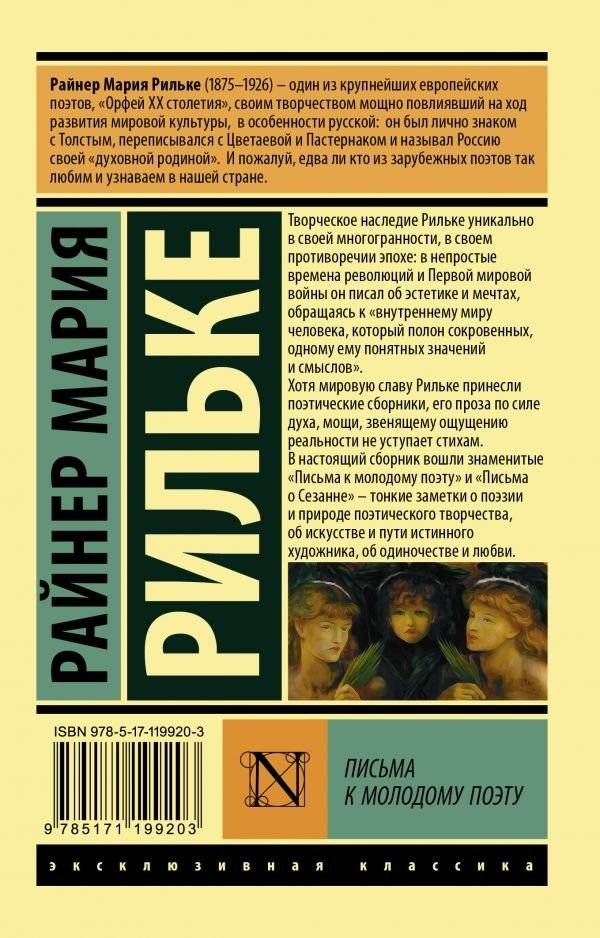
Творческое наследие Рильке отличается многогранностью и противоречием эпохе. В непростые времена революций и Первой мировой войны он обращался к внутреннему миру человека, исследуя его сокровенные смыслы. Хотя мировую славу Рильке принесли поэтические сборники, его проза обладает не меньшей силой духа и ощущением реальности. Этот сборник включает знаменитые «Письма к молодому поэту» и «Письма о Сезанне», предлагая тонкие размышления о поэзии, природе творчества, искусстве, пути художника, одиночестве и любви.
Кому подойдёт
- Начинающим поэтам и художникам
- Любителям классической литературы
- Тем, кто интересуется философией творчества
- Читателям, ищущим вдохновение в письмах мастеров
Ключевые особенности
- Язык: Русский
- Издательство: АСТ
- Серия: Эксклюзивная классика
- Тип обложки: мягкая обложка
- Год издания: 2020
- Количество страниц: 160
- ISBN: 9785171199203
Letters to a Young Poet
Rainer Maria Rilke
Overview
Rilke's creative legacy is unique in its multifaceted nature and its contrast with the era. During the turbulent times of revolutions and World War I, he focused on aesthetics and dreams, addressing the "inner world of man, which is full of hidden meanings and senses, understandable only to him." While Rilke gained worldwide fame for his poetry collections, his prose matches his verse in spiritual strength and vivid sense of reality. This collection features the renowned "Letters to a Young Poet" and "Letters on Cézanne," offering insightful notes on poetry, the nature of poetic creation, art, the path of a true artist, solitude, and love.
Who it's for
- Aspiring poets and artists
- Fans of classic literature
- Those interested in the philosophy of creativity
- Readers seeking inspiration from masters' correspondence
Key features
- Language: Russian
- Publisher: AST
- Series: Exclusive Classics
- Cover type: Softcover
- Year of publication: 2020
- Number of pages: 160
- ISBN: 9785171199203