 US: 2-4 weeks,
  Europe: 1-2 weeks, 🌍 Worldwide: 1-4 weeks ✈️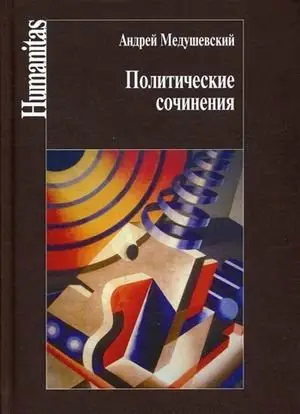
Политические сочинения. Право и власть в условиях социальных трансформаций | Political Writings: Law and Power Amidst Social Transformations
By Медушевский Андрей Николаевич
Политические сочинения. Право и власть в условиях социальных трансформаций
Медушевский Андрей Николаевич, 2015
Обзор
Книга исследует взаимосвязь правовой традиции и политики власти в периоды социальных трансформаций. С позиций когнитивной теории и сравнительного правоведения, автор анализирует правосознание в переходных обществах. Рассматривается становление либеральной парадигмы в политической философии, теория конституционных циклов и логика перехода от авторитаризма к демократии. Особое внимание уделяется динамике российского политического процесса и проблемам постсоветского конституционного развития.
Кому подойдёт
- Специалистам в области политологии и юриспруденции
- Исследователям, изучающим социальные и политические трансформации
- Студентам, интересующимся конституционным правом и политической философией
Ключевые особенности
- Язык: Русский
- Объем: 512 страниц
- Тип обложки: твердый переплёт
- ISBN: 9785987125397
- Издательство: Центр гуманитарных инициатив
- Серия: Humanitas
- Год издания: 2015
Political Writings: Law and Power Amidst Social Transformations
Andrey N. Medushevsky, 2015
Overview
This book examines the relationship between legal tradition and state power during periods of social transformation. From the perspective of cognitive theory and comparative jurisprudence, the author analyzes legal consciousness in transitional societies. It explores the development of the liberal paradigm in political philosophy, the theory of constitutional cycles, and the logic of transitioning from authoritarianism to democracy. Particular attention is given to the dynamics of the Russian political process and contemporary issues in post-Soviet constitutional development.
Who it's for
- Scholars in political science and jurisprudence
- Researchers studying social and political transformations
- Students interested in constitutional law and political philosophy
Key features
- Language: Russian
- Pages: 512
- Binding: hardcover
- ISBN: 9785987125397
- Publisher: Center for Humanitarian Initiatives
- Series: Humanitas
- Year: 2015