 US: 2-4 weeks,
  Europe: 1-2 weeks, 🌍 Worldwide: 1-4 weeks ✈️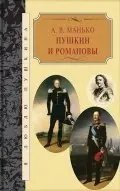
Пушкин и Романовы | Pushkin and the Romanovs
By Манько Александр Васильевич
Пушкин и Романовы
Обзор
В книге рассматриваются личные отношения Александра Пушкина с двумя представителями династии Романовых — императорами Александром I и Николаем I, и то, как их правления отразились на жизни поэта. Также излагаются размышления Пушкина о царствовании Бориса Годунова, Петра I, Екатерины II, Александра I и Николая I, раскрывая его исторический взгляд. Автор приводит слова Пушкина о том, что судьба свела его с тремя самодержцами, противопоставляя короткое знакомство с Павлом I и глубокое влияние Александра I и Николая I. Изучение этих связей помогает лучше понять внутренний мир поэта и историзм в его творчестве.
Кому подойдёт
- Студенты и исследователи русской литературы
- Любители истории России XIX века
- Поклонники биографии Александра Пушкина
- Преподаватели, использующие материал в курсах по культуре России
Ключевые особенности
- Автор: Манько Александр Васильевич
- Год издания: 2014, издательство «Терра»
- 208 страниц, твердый переплет
- ISBN 9785422408283
- Серия «Я люблю Пушкина»
- Язык: русский
Pushkin and the Romanovs
Overview
The book examines Alexander Pushkin's personal relationships with two Romanov emperors, Alexander I and Nicholas I, and shows how their reigns shaped the poet’s life. It also presents Pushkin’s reflections on the rule of Boris Godunov, Peter the Great, Catherine the Great, Alexander I and Nicholas I, offering insight into his historical imagination. The author cites Pushkin’s own words about his fate being linked to three tsars, contrasting his brief encounter with Paul I and the lasting impact of Alexander I and Nicholas I. By analysing these connections, readers gain a deeper understanding of Pushkin’s inner world and the historicism that permeates his work.
Who it's for
- Students and scholars of Russian literature
- Readers interested in 19th‑century Russian history
- Fans of Alexander Pushkin’s biography
- Educators teaching Russian cultural studies
Key features
- Author: Alexander V. Manko
- Published 2014 by Terra
- 208 pages, hardcover (hardbound) edition
- ISBN 9785422408283
- Part of the "I Love Pushkin" series
- Written in Russian