 US: 2-4 weeks,
  Europe: 1-2 weeks, 🌍 Worldwide: 1-4 weeks ✈️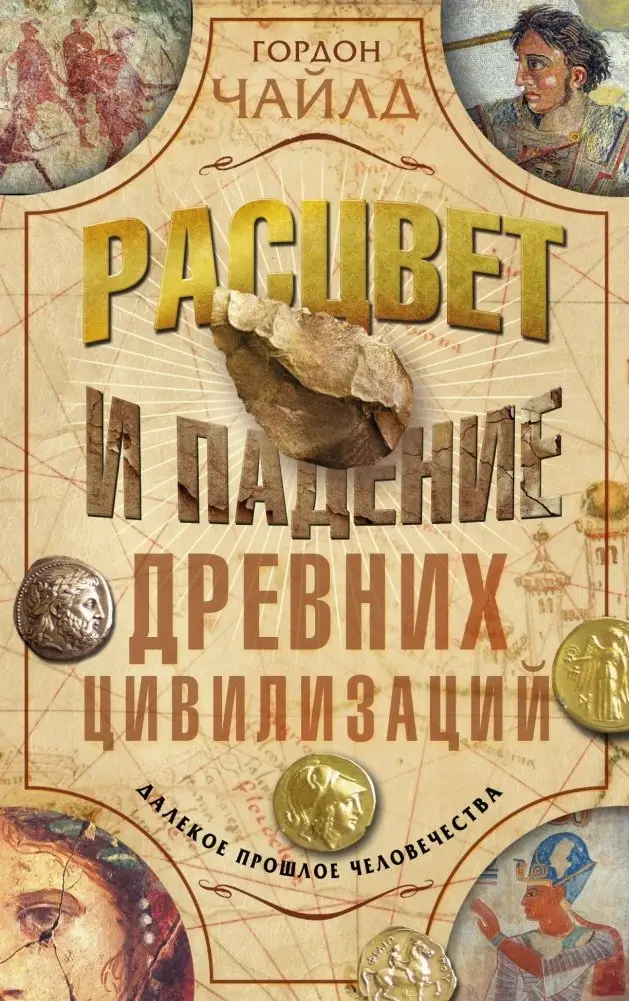
Расцвет и падение древних цивилизаций | The Rise and Fall of Ancient Civilizations
By Чайлд Гордон
Расцвет и падение древних цивилизаций
Гордон Чайлд
Обзор
Профессор Гордон Чайлд представляет оригинальную концепцию ранней истории человечества, основанную на европейской точке зрения. Работа охватывает период от каменного века до упадка Римской империи. Автор детально описывает жизнь первобытных народов палеолита, мезолита и неолита, прослеживая подъем культур железного века. Особое внимание уделяется влиянию Египта и Месопотамии на эллинистическое Средиземноморье. Завершается книга анализом причин заката и падения Древнего мира.
Кому подойдёт
- Интересующимся древней историей и археологией.
- Студентам и исследователям истории.
- Читателям, предпочитающим глубокий анализ исторических процессов.
Ключевые особенности
- Язык: Русский
- Тип обложки: твердый переплет
- Количество страниц: 383
- ISBN: 9785952450004
- Издательство: Центрполиграф
- Год издания: 2012
The Rise and Fall of Ancient Civilizations
Gordon Childe
Overview
Professor Gordon Childe offers an original concept of early human history, grounded in a European perspective. This significant work traces humanity's journey from the Stone Age through the rise of Iron Age cultures to the decline of the Roman Empire. Childe vividly describes the lives of Paleolithic, Mesolithic, and Neolithic peoples, examining the influence of Egypt and Mesopotamia on the Hellenistic Mediterranean. The book concludes with the author's analysis of the twilight and fall of the ancient world.
Who it's for
- Readers interested in ancient history and archaeology.
- Students and researchers of history.
- Those seeking a deep analysis of historical processes.
Key features
- Language: Russian
- Binding: Hardcover
- Pages: 383
- ISBN: 9785952450004
- Publisher: Tsentrpoligraf
- Year: 2012