 US: 2-4 weeks,
  Europe: 1-2 weeks, 🌍 Worldwide: 1-4 weeks ✈️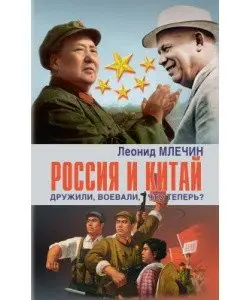
Россия и Китай: дружили, воевали, что теперь? | Russia and China: Friendship, Conflict, and the Future
By Млечин Леонид Михайлович
Россия и Китай: дружили, воевали, что теперь?
Леонид Млечин, 2018
Обзор
С начала XX века Китай прошел путь значительных преобразований, от эпохи Мао Цзэдуна с его масштабными кампаниями и репрессиями до реформ Дэн Сяопина, ожививших экономику. Сегодня Китай является динамично развивающимся государством, активно расширяющим свое влияние в экономической и политической сферах. Постоянно меняющийся политический курс КНР оказывал существенное влияние на отношения с СССР и соседними странами, чередуя периоды тесного сотрудничества с открытым противостоянием, как это было на острове Даманский. Автор исследует, может ли государство, построенное на ограничении свобод, превзойти страны, основанные на их защите и расширении, и не означает ли это неизбежный упадок Китая в будущем.
Кому подойдёт
- Интересующимся историей международных отношений XX-XXI веков.
- Тем, кто хочет понять причины современных геополитических процессов.
- Читателям, изучающим трансформацию Китая и его роль на мировой арене.
Ключевые особенности
- Автор: Леонид Михайлович Млечин
- Издательство: Аргументы недели
- Серия: На подмостках истории
- Год издания: 2018
- Тип обложки: твердый переплёт
- Количество страниц: 288
- Язык: Русский
- ISBN: 9785604236482
Russia and China: Friendship, Conflict, and the Future
Leonid Mlechin, 2018
Overview
Since the early 20th century, China has undergone significant transformations. Mao Zedong's era, marked by the Cultural Revolution and the Great Leap Forward, led to widespread hardship. In contrast, Deng Xiaoping's reforms revitalized the economy, positioning China today as a dynamic state rapidly expanding its economic and political influence. The evolving political course of the PRC has consistently shaped its relations with the USSR and neighboring countries, shifting between periods of "eternal friendship" and open confrontation, such as the Damansky Island incident. The author questions whether a state built on limiting individual freedoms can surpass nations founded on their protection and expansion, and if this implies China's eventual decline.
Who it's for
- Readers interested in the history of international relations in the 20th and 21st centuries.
- Those seeking to understand the drivers of contemporary geopolitical processes.
- Individuals studying China's transformation and its global role.
Key features
- Author: Leonid M. Mlechin
- Publisher: Argumenty nedeli
- Series: Na podmostkah istorii (On the Historical Stage)
- Publication Year: 2018
- Binding: Hardcover
- Pages: 288
- Language: Russian
- ISBN: 9785604236482