 US: temporary delays — postal services aligning new import rules,
  Europe: 1–2 weeks, 🌍 Worldwide: 1–4 weeks ✈️
Loading...
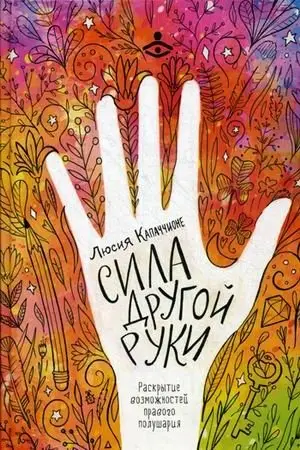
By Капаччионе Люсия
Люсия Капаччионе, 2019
Книга исследует историческое предпочтение одной руки и трудности, с которыми сталкиваются люди при использовании недоминирующей конечности. Автор делится личным опытом использования левой руки для рисования и письма, открывая новые источники упражнений и терапии. Основываясь на научных данных и нейропсихологических исследованиях, работа раскрывает упущенные возможности, связанные с недостаточной активацией второго полушария. Представлены как теоретические сведения, так и практические техники, применяемые автором в психологии и арт-терапии.
Lucia Capacchione, 2019
This book delves into society's historical preference for one hand over the other and the challenges individuals face when using their non-dominant limb. The author shares a personal journey of using her left hand for drawing and writing, discovering a source of exercises and therapy. Drawing on historical data, scientific theories, and neuropsychological research, the work highlights the untapped potential missed by neglecting the second hemisphere. It combines theoretical information with practical techniques that the author has utilized for decades in her practice as a psychologist and art therapist.