 US: 2-4 weeks,
  Europe: 1-2 weeks, 🌍 Worldwide: 1-4 weeks ✈️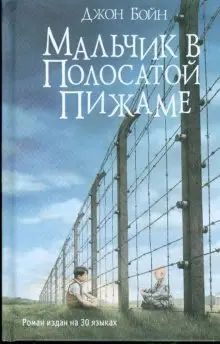
Мальчик в полосатой пижаме | The Boy in the Striped Pyjamas
By Бойн Джон
Мальчик в полосатой пижаме
Джон Бойн, 2021
Обзор
Эта книга предлагает уникальное и завораживающее путешествие глазами девятилетнего мальчика по имени Бруно. Несмотря на юный возраст главного героя, произведение адресовано взрослой аудитории, знакомой с реалиями мира, включая такие понятия, как ограждения и проволока. Роман является притчей о Холокосте, представленной через наивный и непонимающий взгляд ребенка. Этот необычный ракурс делает повествование особенно пронзительным и страшным, раскрывая ужасы XX века с новой стороны.
Кому подойдёт
- Читателям, ищущим глубокие и осмысленные истории.
- Тем, кто интересуется историческими событиями XX века.
- Людям, ценящим нестандартные литературные подходы.
Ключевые особенности
- Язык: Русский
- Год издания: 2021
- Издательство: Фантом Пресс
- Количество страниц: 288
- ISBN: 9785864716632
The Boy in the Striped Pyjamas
John Boyne, 2021
Overview
This book offers a unique and captivating journey through the eyes of a nine-year-old boy named Bruno. Despite the protagonist's young age, the work is intended for an adult audience familiar with the realities of the world, including concepts like fences and barbed wire. The novel serves as a parable about the Holocaust, presented through the naive and uncomprehending perspective of a child. This unusual viewpoint makes the narrative particularly poignant and frightening, revealing the horrors of the 20th century from a new angle.
Who it's for
- Readers seeking profound and meaningful stories.
- Those interested in historical events of the 20th century.
- Individuals who appreciate unconventional literary approaches.
Key features
- Language: Russian
- Publication Year: 2021
- Publisher: Phantom Press
- Pages: 288
- ISBN: 9785864716632