 US: 2-4 weeks,
  Europe: 1-2 weeks, 🌍 Worldwide: 1-4 weeks ✈️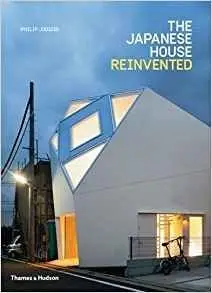
The Japanese House Reinvented
The Japanese House Reinvented
Обзор
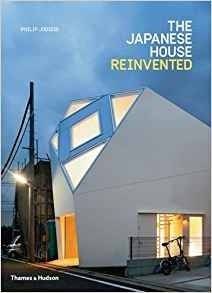
Japanese houses today have to contend with unique factors that condition their design, from tiny plots in crowded urban contexts to ever-present seismic threats. These challenges encourage their architects to explore alternating ideas of stability and ephemerality in various ways, resulting in spaces that are as fascinating as they are idiosyncratic. Their formal innovation and attention to materials, technology and measures to coax in light and air while maintaining domestic privacy make them cutting-edge residences that suggest new ways of being at home. Contemporary Japanese architecture has emerged as a substantial force on the international scene ever since Kenzo Tange won the Pritzker Prize in 1987. This overview of 50 recent houses powerfully demonstrates Japan's enduring commitment to design innovation.
Кому подойдёт
- Архитекторы и дизайнеры, ищущие вдохновение в современном жилищном строительстве
- Любители японской архитектуры и минималистского дизайна
- Студенты и исследователи в области устойчивого и инновационного жилищного строительства
- Те, кто интересуется культурными и технологическими аспектами современного японского образа жизни
Ключевые особенности
- Анализирует дизайн японских домов в условиях ограниченных городских участков и сейсмических угроз
- Представляет 50 недавних жилых проектов, демонстрирующих инновации
- Подчеркивает формальные инновации, внимание к материалам и технологиям
- Исследует методы интеграции света и воздуха при сохранении конфиденциальности
- Издано Thames&Hudson в 2017 году
- 224 страницы, мягкая обложка, язык: английский
The Japanese House Reinvented
Overview
Modern Japanese homes navigate unique design constraints, from limited urban plots in densely populated areas to persistent seismic risks. These formidable challenges inspire architects to ingeniously blend concepts of stability and ephemerality, leading to the creation of spaces that are both captivating and distinct. Their designs showcase formal innovation, meticulous material selection, advanced technology, and clever strategies to maximize natural light and ventilation while preserving domestic privacy, making them avant-garde residences that redefine contemporary living. Japanese architecture has maintained its strong international presence since Kenzo Tange's Pritzker Prize win in 1987. This insightful overview features 50 recent houses, powerfully affirming Japan's ongoing dedication to pioneering design.
Who it's for
- Architects and designers seeking inspiration in contemporary residential architecture
- Enthusiasts of Japanese architecture and minimalist design principles
- Students and researchers in sustainable and innovative housing solutions
- Readers interested in the cultural and technological aspects of modern Japanese living
Key features
- Analyzes Japanese house design in response to tiny urban plots and seismic threats
- Showcases 50 recent residential projects demonstrating design innovation
- Highlights formal innovation, meticulous material selection, and technological integration
- Explores methods for maximizing natural light and air while maintaining privacy
- Published by Thames&Hudson in 2017
- 224 pages, softcover edition, in English