 US: 2-4 weeks,
  Europe: 1-2 weeks, 🌍 Worldwide: 1-4 weeks ✈️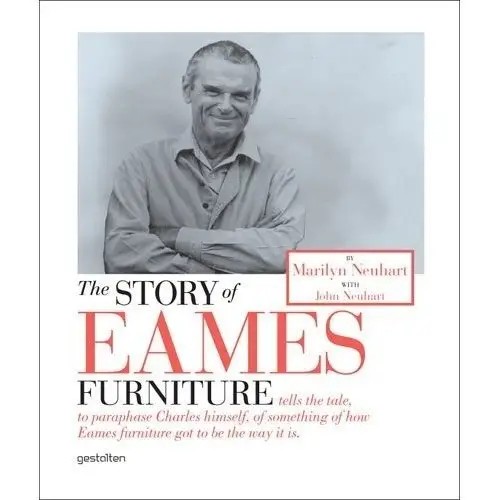
История мебели Eames (2 тома в футляре) | The Story of Eames Furniture (2 vols in slipcase)
By Marilyn Neuhart
История мебели Eames (2 тома в футляре)
Marilyn Neuhart | 2010
Обзор
Это двухтомное издание в футляре рассказывает историю становления мебели Eames, одного из самых влиятельных брендов современности. Книга содержит более 2500 изображений и инсайдерскую информацию, проливающую свет на контекст создания предметов мебели Чарльзом и Рэй Имз. Издание детально документирует процесс разработки дизайна в Eames Office и роль ключевых дизайнеров и производителей.
Том 1 охватывает ранние годы Eames Office, методы проектирования и разработки мебели, представляя Чарльза и Рэй Имз, а также членов их команды, таких как Ээро Сааринен, Гарри Бертойя и Герберт Матер. Особое внимание уделяется ранним работам Чарльза Имза с фанерой и адаптации техник формовки для массового производства.
Том 2 посвящен периоду после Второй мировой войны до 1978 года, года смерти Чарльза Имза. В нем исследуются новаторские промышленные процессы и использование инновационных материалов, таких как стекловолокно, проволока и алюминий, которые легли в основу создания знаковых предметов мебели. Также рассматривается роль компании Herman Miller Furniture Company и влияние Дона Албинсона.
Кому подойдёт
- Дизайнерам интерьеров и мебели.
- Историкам дизайна и архитектуры.
- Коллекционерам и ценителям творчества Чарльза и Рэй Имз.
- Всем, кто интересуется историей современного дизайна.
Ключевые особенности
- Язык: Английский
- Издательство: Gestalten
- Год издания: 2010
- Количество страниц: 800
- Тип обложки: Твердый переплет
- ISBN: 9783899552300
- Размеры: 264x307 мм
The Story of Eames Furniture (2 vols in slipcase)
Marilyn Neuhart | 2010
Overview
This two-volume publication in a slipcase chronicles the evolution of Eames furniture, arguably the most influential brand of our time. Featuring over 2,500 images and insider information, it sheds new light on the context in which Charles and Ray Eames's furniture was created. The book meticulously documents the design process within the Eames Office and highlights the significant contributions of specific designers and manufacturers.
Volume 1 explores the early years of the Eames Office, its methods for furniture design and development, and introduces key team members like Eero Saarinen, Harry Bertoia, and Herbert Matter. It focuses on Charles Eames's early work with plywood and the adaptation of molding techniques for mass production.
Volume 2 covers the period from post-World War II until 1978, the year of Charles Eames's death. It delves into pioneering industrial processes and the use of innovative materials such as fiberglass, wire, and aluminum, explaining how new technologies inspired iconic Eames pieces. The volume also examines the role of the Herman Miller Furniture Company and the influence of Don Albinson.
Who it's for
- Interior and furniture designers.
- Design and architectural historians.
- Collectors and admirers of Charles and Ray Eames's work.
- Individuals interested in the history of modern design.
Key features
- Language: English
- Publisher: Gestalten
- Year: 2010
- Pages: 800
- Binding: Hardback
- ISBN: 9783899552300
- Dimensions: 264x307 mm