 US: 2-4 weeks,
  Europe: 1-2 weeks, 🌍 Worldwide: 1-4 weeks ✈️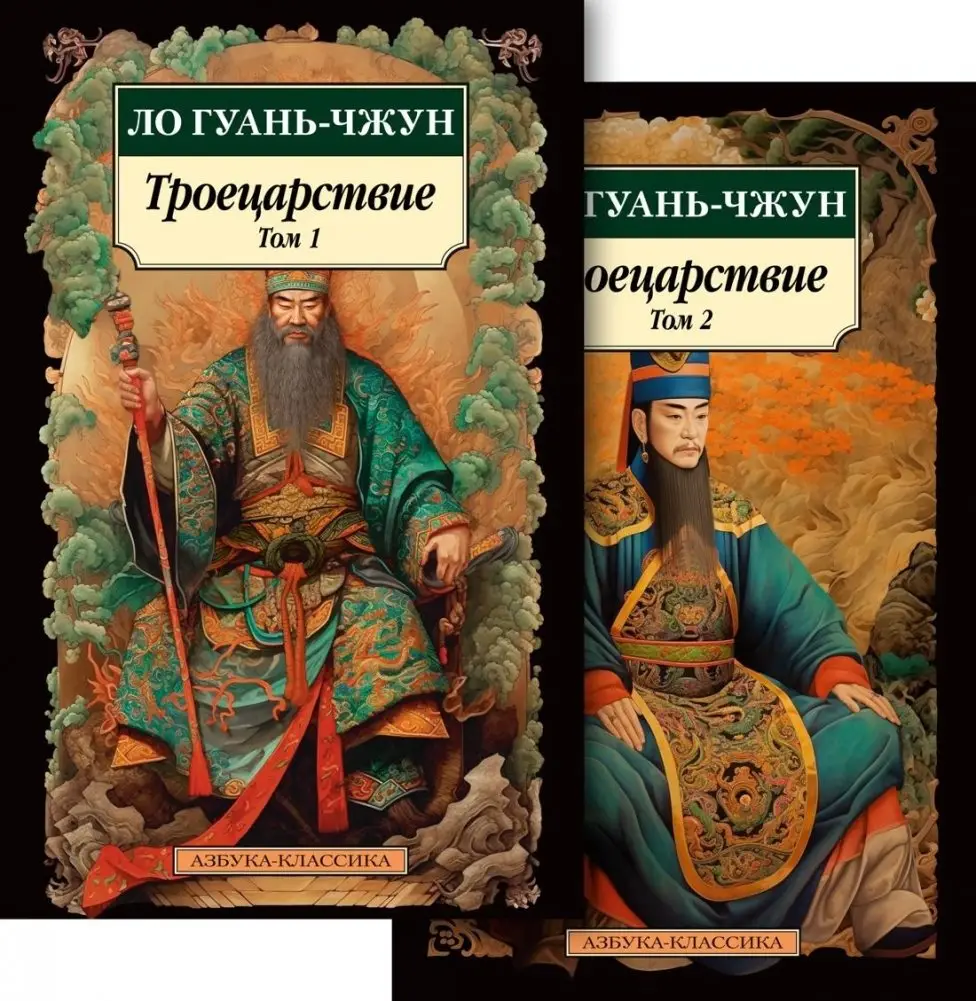
Троецарствие (комплект в 2-х томах) | Romance of the Three Kingdoms
By Ло Гуань-чжун
Троецарствие (комплект в 2-х томах)
Ло Гуань-чжун, 2024, Серия: Азбука-классика (pocket-book)
Обзор
«Троецарствие» — великая историческая эпопея, входящая в список «Четырех классических романов» китайской литературы. Это произведение, изображающее события III века нашей эры, когда Китай был разделен на три враждующих царства, сочетает историческую достоверность с мифами и легендами Древнего Китая. Роман включает множество сюжетов: военные сражения, политические интриги, борьбу за власть и личные драмы. Он остается одной из самых популярных книг в Китае и признан наиболее известным китайским романом на Западе.
Кому подойдёт
- Любителям исторических романов и эпических повествований.
- Интересующимся культурой и историей Древнего Китая.
- Читателям, предпочитающим сложные сюжеты с политическими интригами и военными действиями.
- Поклонникам классической китайской литературы.
Ключевые особенности
- Язык: русский
- Объем: 1760 страниц
- Тип обложки: мягкая
- Издательство: Азбука
- Серия: Азбука-классика (pocket-book)
- ISBN: 9785389258310
- Год издания: 2024
Romance of the Three Kingdoms
Luo Guanzhong, 2024, Series: Azbuka-classic (pocket-book)
Overview
The "Romance of the Three Kingdoms" is a grand historical epic, listed among the "Four Great Classical Novels" of Chinese literature. This work depicts events of the 3rd century AD when China was divided into three warring kingdoms, blending historical accuracy with myths and legends of ancient China. The novel encompasses numerous plotlines, including military battles, political intrigue, power struggles, and personal dramas. It remains one of the most popular books in China and is recognized as the most well-known Chinese novel in the West.
Who it's for
- Fans of historical novels and epic narratives.
- Those interested in the culture and history of ancient China.
- Readers who prefer complex plots with political intrigue and military action.
- Admirers of classic Chinese literature.
Key features
- Language: Russian
- Pages: 1760
- Binding: Softcover
- Publisher: Azbuka
- Series: Azbuka-classic (pocket-book)
- ISBN: 9785389258310
- Publication Year: 2024