 US: 2-4 weeks,
  Europe: 1-2 weeks, 🌍 Worldwide: 1-4 weeks ✈️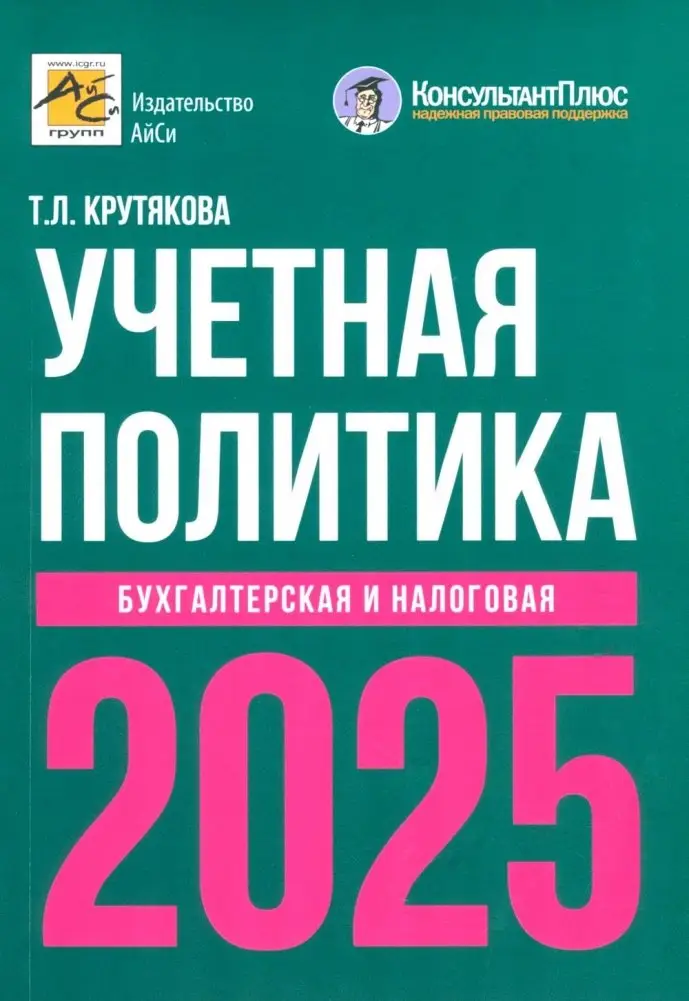
Учетная политика 2025: Бухгалтерская и налоговая | Accounting Policy 2025: Accounting and Tax
By Крутякова Татьяна Леонидовна
Учетная политика 2025: Бухгалтерская и налоговая
Крутякова Татьяна Леонидовна, 2025
Обзор
Эта книга - практическое руководство по составлению учетной политики. В ней рассмотрены основные правила разработки учетной политики (как бухгалтерской, так и налоговой), а также внесение изменений и дополнений. Следуя рекомендациям автора, вы быстро определите круг вопросов, требующих отражения в учетной политике вашей конкретной организации, выберете приемлемые варианты учета и сможете сблизить данные бухгалтерского и налогового учета. Большое количество практических цифровых примеров помогут разобраться в действующих правилах и сделать оптимальный выбор.
Кому подойдёт
- Бухгалтерам и руководителям организаций, применяющих общий режим налогообложения.
- Бухгалтерам малых предприятий для формирования упрощенной бухгалтерской учетной политики.
- Организациям, применяющим упрощенную систему налогообложения (в части формирования бухгалтерской учетной политики).
Ключевые особенности
- Язык: русский
- Страниц: 364
- Издательство: АйСи Групп
- Год: 2025
Accounting Policy 2025: Accounting and Tax
Крутякова Татьяна Леонидовна, 2025
Overview
This book is a practical guide to creating accounting policies. It covers the basic rules that should be followed when developing an accounting policy (both accounting and tax), as well as when making changes and additions to it. Following the author's recommendations, you will quickly determine the range of issues that need to be reflected in the accounting policy of your specific organization, choose the accounting options that are acceptable to you, and also be able to bring the data of accounting and tax accounting as close as possible. A large number of practical numerical examples will help you understand the current rules and make the best choice.
Who it's for
- Accountants and heads of organizations applying the general taxation regime.
- Accountants of small businesses to form a simplified accounting policy.
- Organizations applying the simplified taxation system (regarding the formation of accounting policy).
Key features
- Language: Russian
- Pages: 364
- Publisher: АйСи Групп
- Year: 2025