 US: 2-4 weeks,
  Europe: 1-2 weeks, 🌍 Worldwide: 1-4 weeks ✈️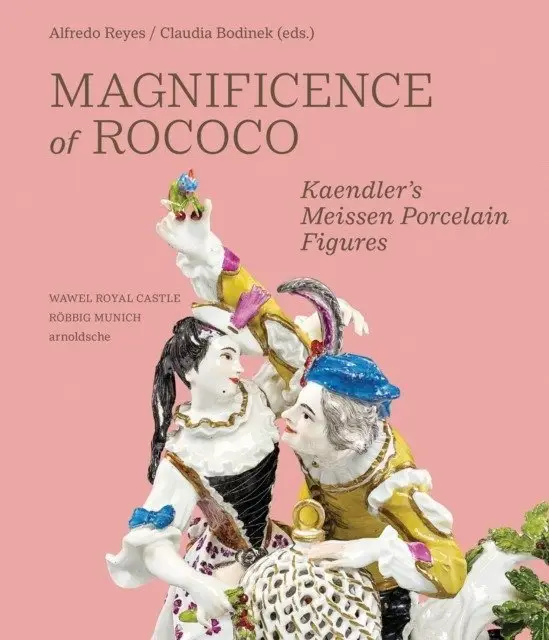

Великолепие рококо: фарфоровые фигуры Кандлера из Мейсена | Magnificence of Rococo: Kaendler’s Meissen Porcelain Figures
Великолепие рококо: фарфоровые фигуры Кандлера из Мейсена
, 2024
Обзор
Имя Иоганна Иоахима Кандлера (1706–1775) неразрывно связано с золотым веком Мейсенской фарфоровой мануфактуры в XVIII веке. Его исключительный художественный талант и мастерство позволили ему запечатлеть повседневную жизнь знати в их дворцах и резиденциях в многочисленных фигурах и группах. Кандлер не ограничивался официальными событиями, а отражал вкусы, стремления и текущие тенденции эпохи.
В издании «Великолепие рококо» впервые собраны впечатляющие фарфоровые статуэтки из европейских частных коллекций высшего класса. На более чем 300 страницах эти великолепные, часто уникальные предметы дают представление о придворной жизни эпохи барокко и рококо. Книга демонстрирует не только мастерство Кандлера, но и культурный контекст, в котором он работал, раскрывая детали придворных развлечений, моды и социальных взаимодействий.
Издание представляет собой ценный ресурс для коллекционеров, искусствоведов и всех, кто интересуется историей фарфора и декоративного искусства. Книга позволяет глубже понять эстетику рококо и ее влияние на европейскую культуру. Анализ стилистических особенностей и техник, использованных Кандлером, позволяет оценить его вклад в развитие фарфорового искусства.
Кому подойдёт
- Коллекционерам антикварного фарфора и предметов искусства.
- Искусствоведам, изучающим эпоху рококо и барокко.
- Дизайнерам интерьеров, стремящимся к созданию изысканных и элегантных пространств.
- Студентам и исследователям, изучающим историю искусства и культуры.
- Любителям истории, интересующимся придворной жизнью XVIII века.
- Всем, кто ценит красоту и изящество фарфоровых изделий.
Ключевые особенности
- Твердый переплет обеспечивает долговечность издания.
- 384 страницы с высококачественными иллюстрациями.
- Размеры 288x248 мм позволяют детально рассмотреть изображения.
- Вес 2210 гр.
- Издательство: ACC-distribution titles.
- Год издания: 2024.
- Штрих-код: 9783897907072.
Magnificence of Rococo: Kaendler’s Meissen Porcelain Figures
, 2024
Overview
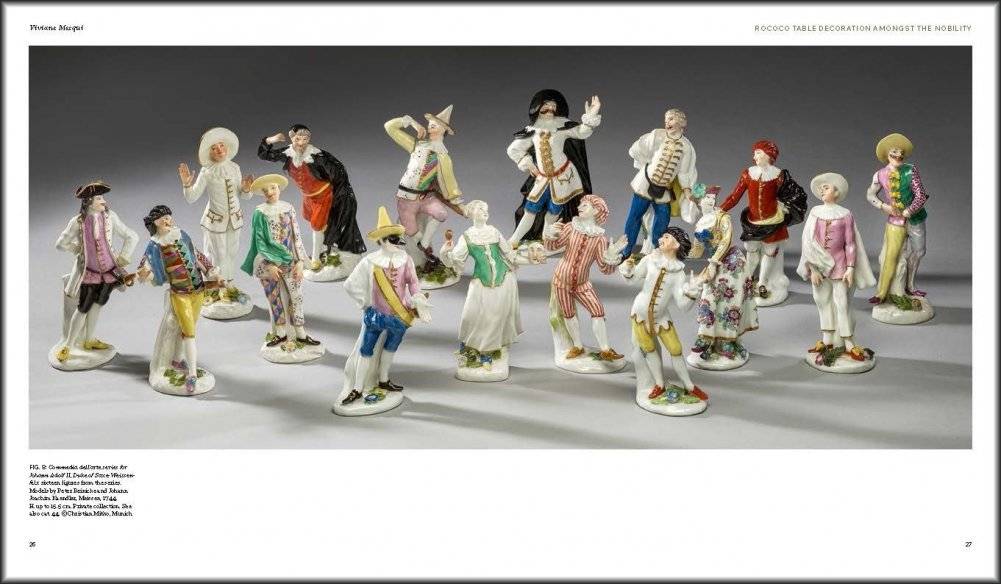
Johann Joachim Kaendler's name (1706–1775) is inextricably linked to the golden age of the Meissen Porcelain Manufactory during the 18th century. His exceptional artistic talent and craftsmanship enabled him to capture the daily life of the nobility in their palaces and residences through numerous figures and groups. Kaendler did not limit himself to official events but reflected the tastes, aspirations, and current trends of the era.
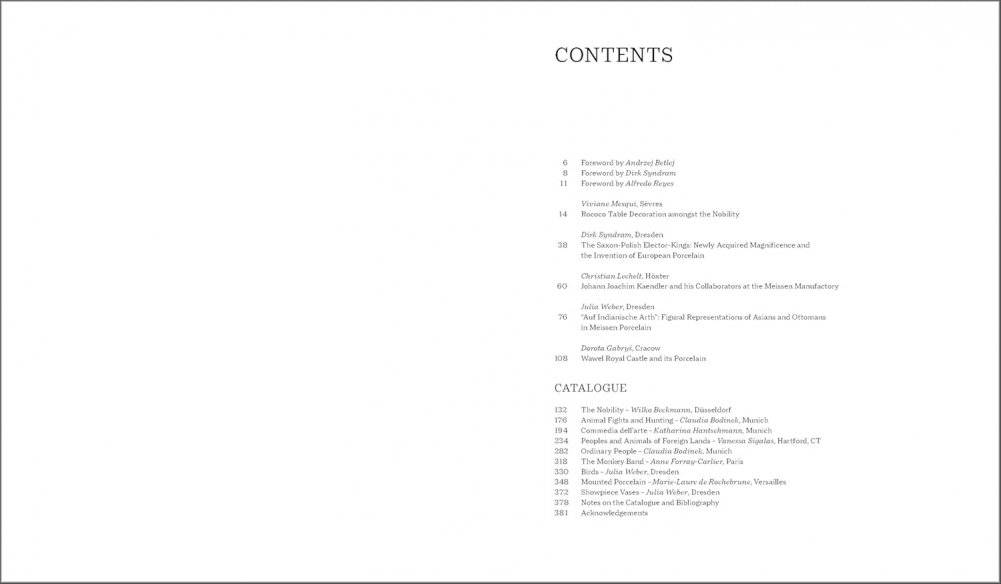
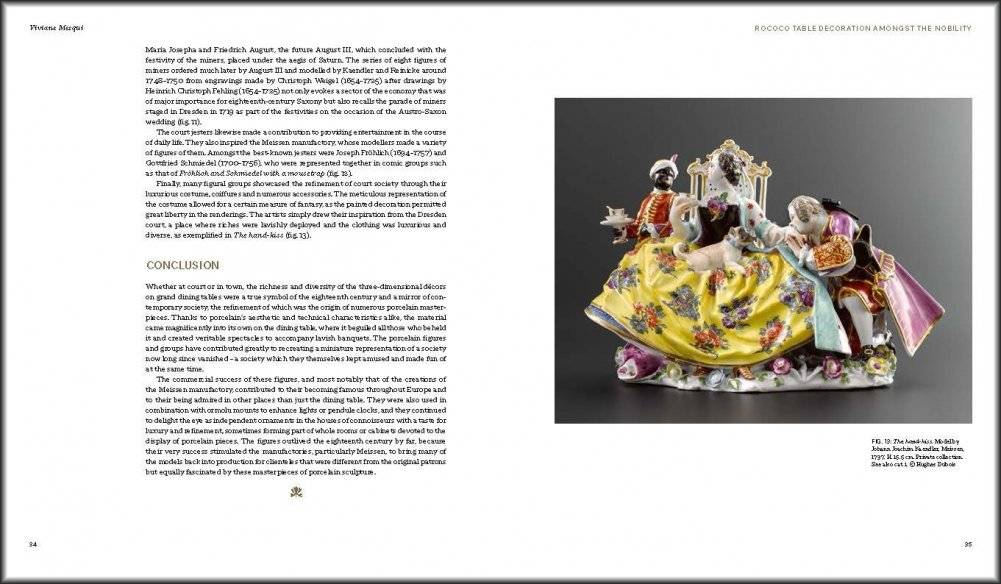
The publication "Magnificence of Rococo" brings together impressive porcelain figurines from top-class European private collections for the first time. Across over 300 pages, these magnificent, often unique objects provide insights into the courtly life of the Baroque and Rococo periods. The book showcases not only Kaendler's mastery but also the cultural context in which he worked, revealing details of courtly entertainment, fashion, and social interactions.
This publication serves as a valuable resource for collectors, art historians, and anyone interested in the history of porcelain and decorative arts. It offers a deeper understanding of the Rococo aesthetic and its influence on European culture. An analysis of the stylistic features and techniques used by Kaendler allows for an appreciation of his contribution to the development of porcelain art.
Who it's for
- Collectors of antique porcelain and art objects.
- Art historians studying the Rococo and Baroque periods.
- Interior designers seeking to create refined and elegant spaces.
- Students and researchers studying art and cultural history.
- History enthusiasts interested in 18th-century courtly life.
- Anyone who appreciates the beauty and elegance of porcelain.
Key features
- Hardback cover for durability.
- 384 pages with high-quality illustrations.
- Dimensions: 288x248 mm for detailed viewing.
- Weight: 2210 grams.
- Published by ACC-distribution titles.
- Year of publication: 2024.
- ISBN: 9783897907072.