 US: 2-4 weeks,
  Europe: 1-2 weeks, 🌍 Worldwide: 1-4 weeks ✈️
Записки перед казнью | Notes Before Execution
By Кукафка Даня
Записки перед казнью
Даня Кукафка
Обзор
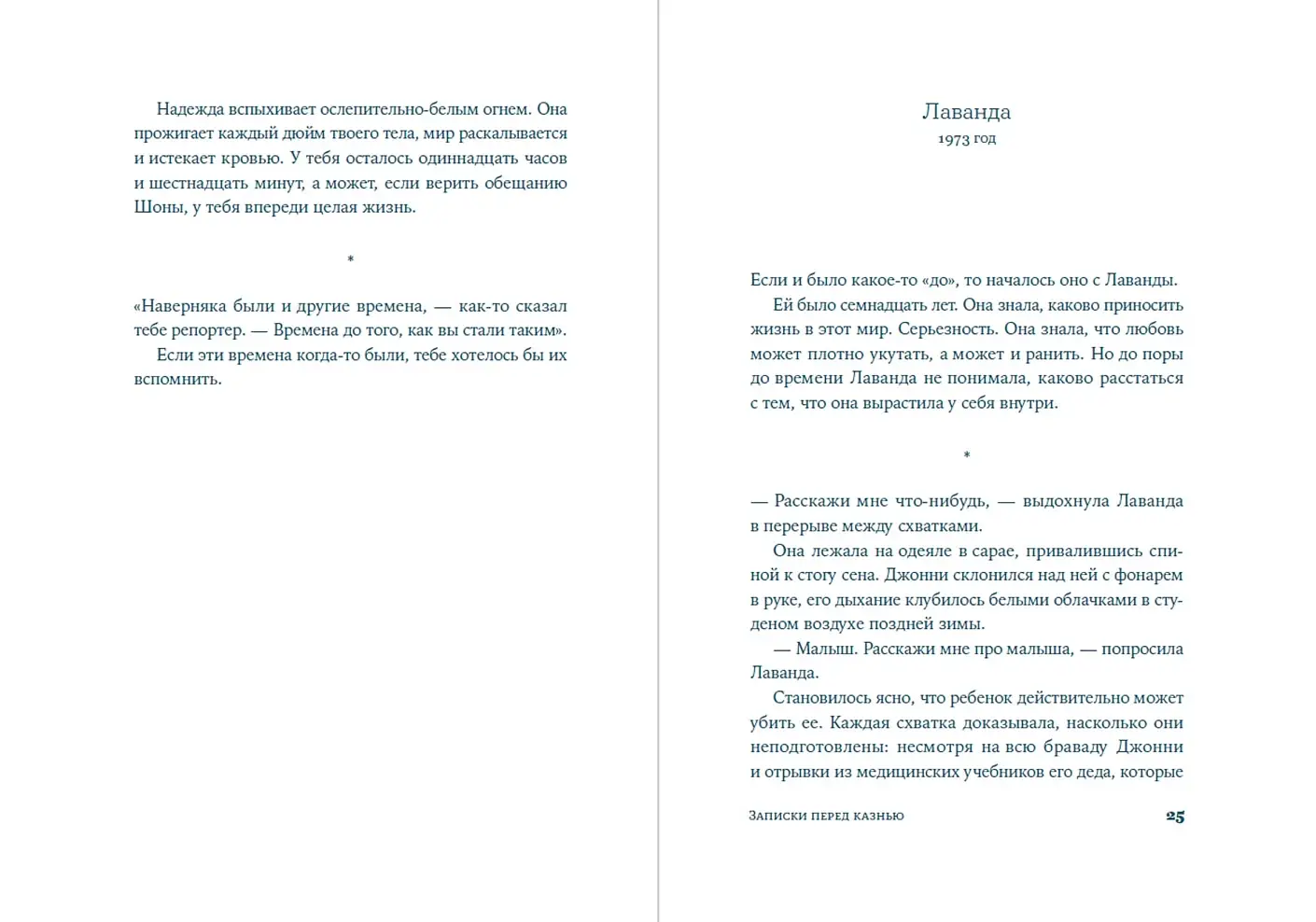
Анселю Пэкеру осталось жить двенадцать часов. В ожидании казни он стремится, чтобы его история была услышана, но чья она на самом деле? Его «Теория» пытается оправдать зло, в то время как свидетельства матери, молодой женщины и детектива складываются в пугающий портрет преступника.
Книга, отмеченная премией Эдгара Аллана По и признанная лучшим криминальным романом года по версии The New York Times, поднимает вопросы раскаяния, прощения и возможности начать жизнь с чистого листа.
Кому подойдёт
- Современным девушкам от 25 лет.
- Живущим в крупных городах.
- Интересующимся жанром тру-крайм.
- Активно следящим за женской повесткой.
Ключевые особенности
- Мягкая обложка.
- 436 страниц.
- ISBN: 9785961497403.
- Издательство: Бель Летр.
- Год издания: 2025.
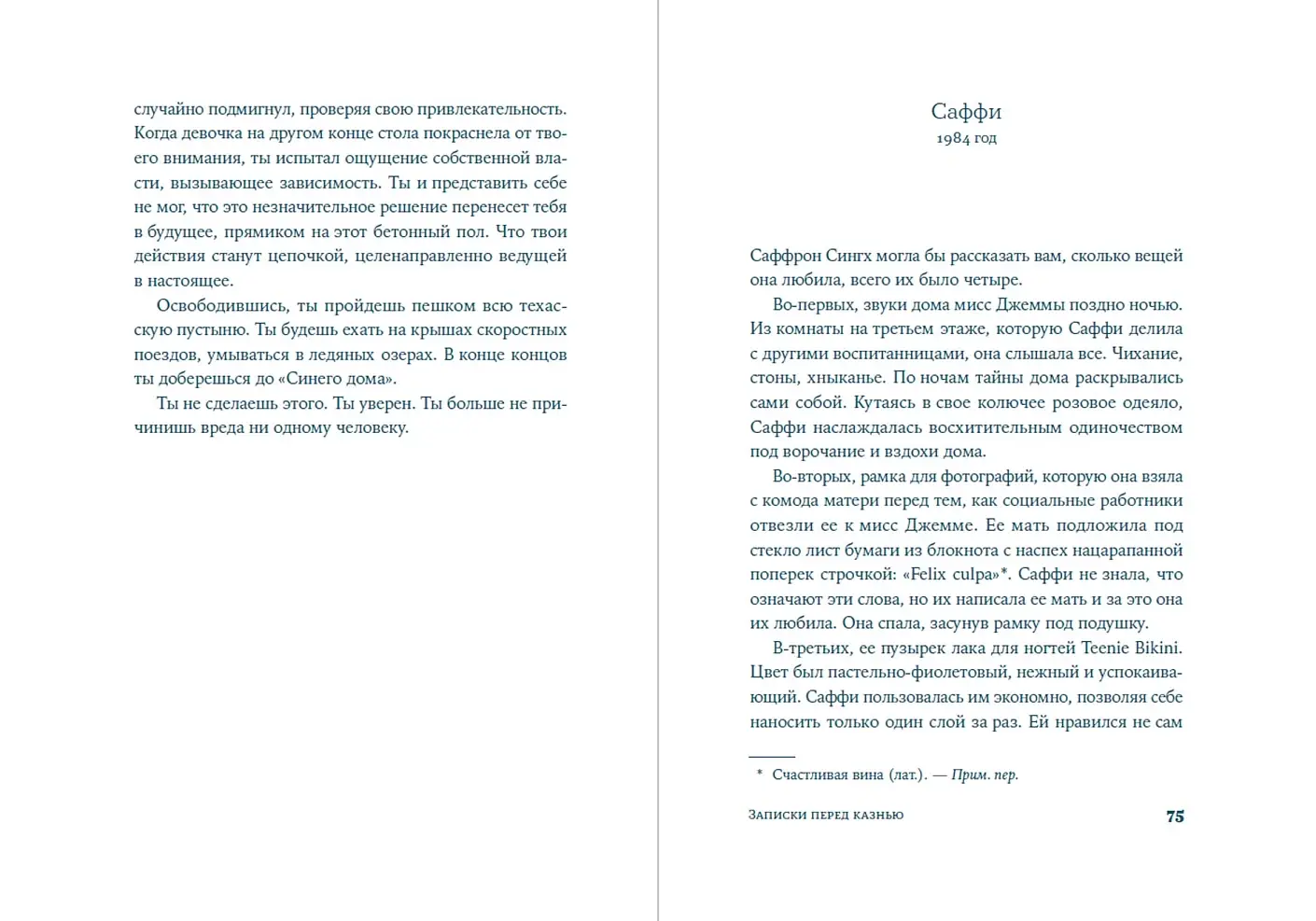
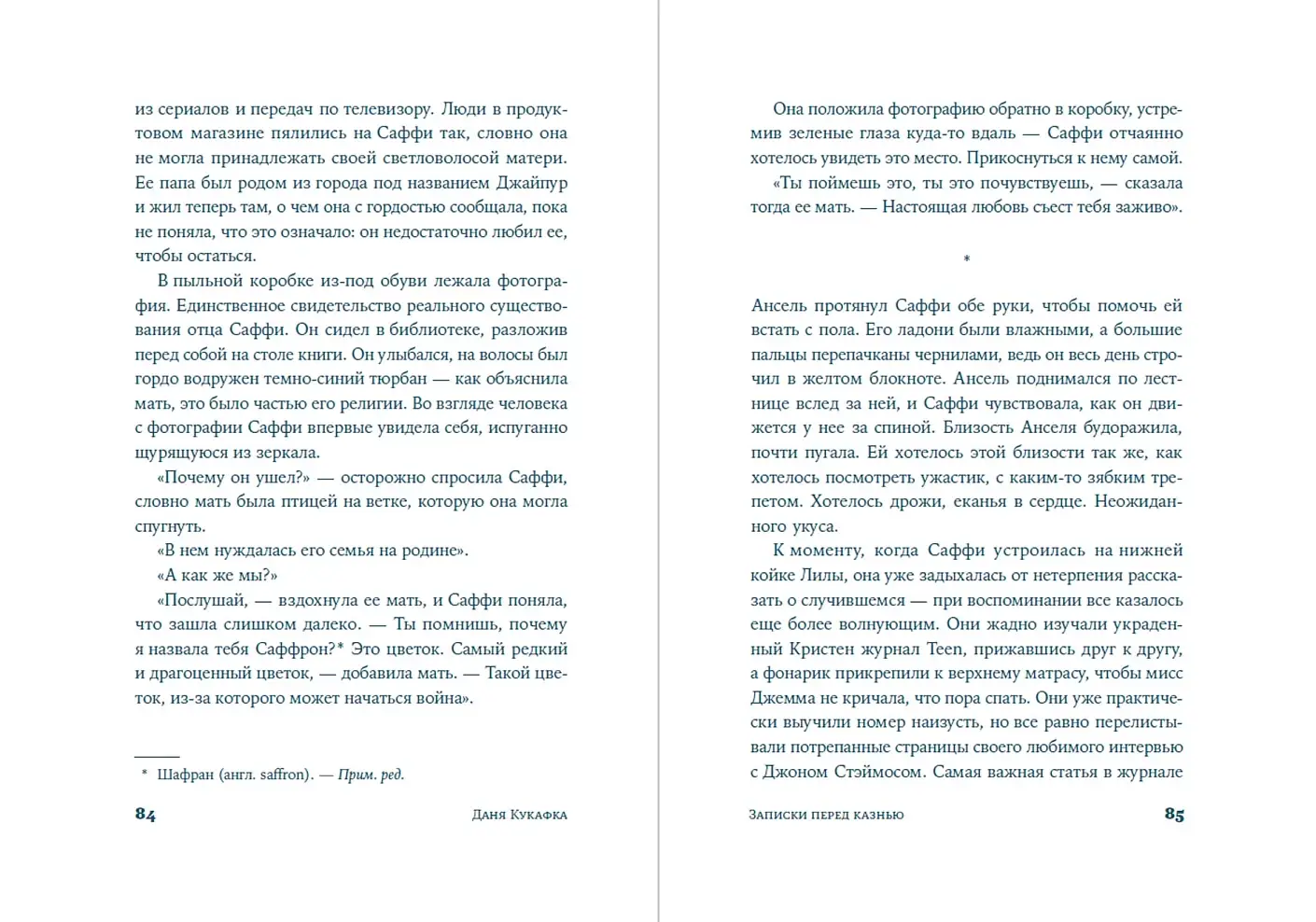
- Синий цвет шрифта.
Notes Before Execution
Danja Kukafka
Overview
Ansel Packer has twelve hours left to live. Facing execution, he is determined that his story be heard. But whose story is it truly? His "Theory" attempts to justify evil, while accounts from a desperate mother, a young woman, and a relentless detective build a chilling portrait of the perpetrator.
This novel, a recipient of the Edgar Allan Poe Award and named best crime novel of the year by The New York Times, explores themes of remorse, forgiveness, and the possibility of a fresh start.
Who it's for
- Modern women aged 25+.
- Urban dwellers.
- Fans of true crime.
- Those interested in women's issues.
Key features
- Paperback binding.
- 436 pages.
- ISBN: 9785961497403.
- Publisher: Bel Lettre.
- Published in 2025.
- Features blue font.