 US: 2-4 weeks,
  Europe: 1-2 weeks, 🌍 Worldwide: 1-4 weeks ✈️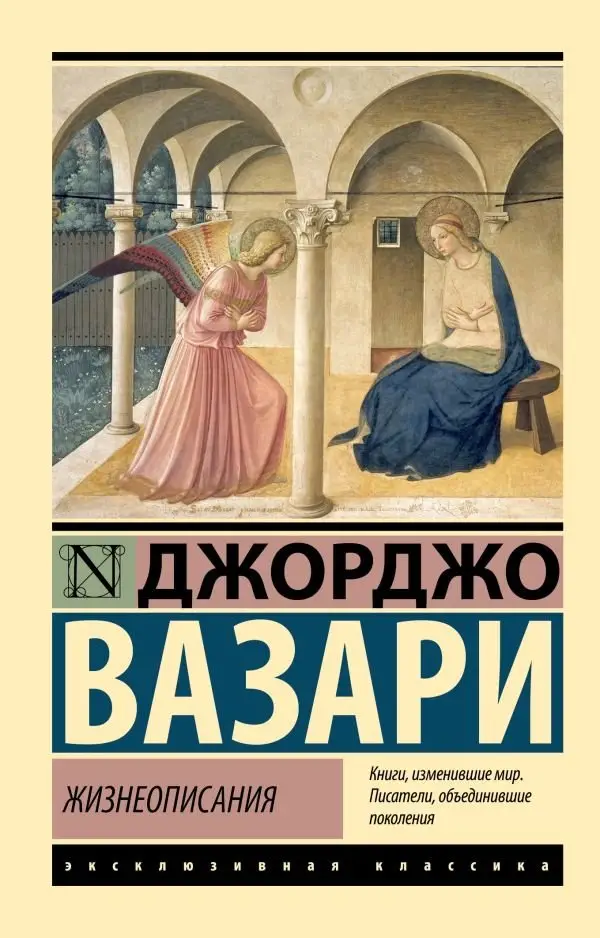
Жизнеописания | Lives of the Most Excellent Painters, Sculptors, and Architects
By Вазари Джорджо
Жизнеописания
Джорджо Вазари
Обзор
«Жизнеописания наиболее знаменитых живописцев, ваятелей и зодчих» — это монументальный труд Джорджо Вазари, над которым автор работал несколько десятилетий. Путешествуя по стране, собирая предания и общаясь с очевидцами, Вазари создал фактически первую в мире энциклопедию, посвященную искусству итальянского Возрождения. Эта книга служила основным источником информации о величайших мастерах эпохи на протяжении многих лет. Она содержит биографии таких выдающихся личностей, как Леонардо да Винчи, Микеланджело, Рафаэль, Тициан и Джотто.
Кому подойдёт
- Интересующимся историей искусства и эпохой Возрождения.
- Тем, кто хочет узнать о жизни и творчестве великих итальянских мастеров.
- Читателям, ищущим фундаментальные труды по истории живописи, скульптуры и архитектуры.
Ключевые особенности
- Язык: русский
- Объем: 704 страницы
- Тип обложки: мягкая обложка
- Издательство: АСТ
- Серия: Эксклюзивная классика
- Год издания: 2024
- ISBN: 9785171641610
Lives of the Most Excellent Painters, Sculptors, and Architects
Giorgio Vasari
Overview
Giorgio Vasari's "Lives of the Most Excellent Painters, Sculptors, and Architects" is a monumental work that took the author decades to complete. Through extensive travel, collection of oral histories, and interviews with contemporaries, Vasari compiled what is considered the first encyclopedia of Italian Renaissance art. For many years, it was the primary source of information on the era's greatest artists. The book features biographies of iconic figures such as Leonardo da Vinci, Michelangelo, Raphael, Titian, and Giotto. Written in an accessible style, it offers valuable insights into the lives, works, and times of these Renaissance masters.
Who it's for
- Individuals interested in art history and the Renaissance period.
- Readers seeking to learn about the lives and creative processes of Italy's most celebrated artists.
- Those looking for foundational texts on the history of painting, sculpture, and architecture.
Key features
- Language: Russian
- Pages: 704
- Binding: Softcover
- Publisher: AST
- Series: Exclusive Classics
- Publication Year: 2024
- ISBN: 9785171641610