 US: 2-4 weeks,
  Europe: 1-2 weeks, 🌍 Worldwide: 1-4 weeks ✈️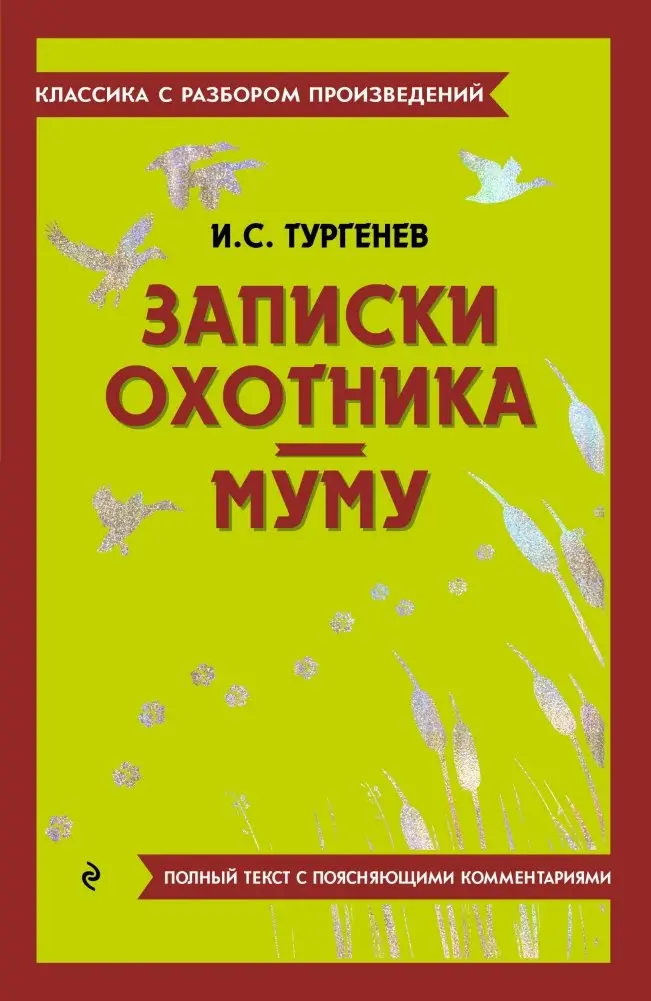
Записки охотника. Муму | A Hunter's Notes. Mumu
By Иван Тургенев
Тургенев: "Записки охотника" и "Муму" - Учебное пособие для школьников
Тургенев: "Записки охотника" и "Муму" - Незаменимое пособие для школьников
Это издание – ваш ключ к успешному освоению произведений Ивана Сергеевича Тургенева! Специально разработанное для школьников, оно содержит полные тексты "Записок охотника" и "Муму", дополненные ценнейшими материалами, которые сделают изучение этих классических рассказов лёгким и увлекательным.
Преимущества этого издания:
- Подробные планы произведений: Быстро найдите нужный фрагмент, проследите за развитием сюжета и легко ориентируйтесь в тексте.
- Детальное описание героев: Познакомьтесь с персонажами рассказов глубже, понимая их мотивы и действия.
- Развернутые комментарии: Получите исчерпывающие объяснения непонятных слов, исторических фактов и культурных отсылок.
- Увлекательная история создания произведений: Погрузитесь в контекст создания "Записок охотника" и "Муму", почувствуйте атмосферу времени.
- Указатель имён и событий: Мгновенно найдите нужную страницу, где упоминается определенный персонаж или событие, важное для понимания авторского замысла.
Это пособие – незаменимый помощник при подготовке к урокам, сочинениям, ОГЭ и ЕГЭ. Его практичность и удобство оценят как школьники, так и учителя, использующие его для планирования и проведения уроков.
Turgenev: "A Hunter's Sketches" and "Mumu" - A High School Study Guide
Turgenev: "A Hunter's Sketches" and "Mumu" – An Indispensable Guide for Students
Unlock the rich tapestry of Ivan Turgenev's masterpieces with this expertly crafted study guide! Designed specifically for high school students, this edition presents the complete texts of "A Hunter's Sketches" and "Mumu," enhanced with invaluable resources that make studying these classic stories engaging and insightful.
Key Features:
- Detailed Plot Outlines: Quickly locate specific passages, follow the narrative arc, and navigate the text with ease.
- In-depth Character Analyses: Gain a deeper understanding of the characters, their motivations, and their actions within the stories.
- Comprehensive Commentaries: Receive thorough explanations of unfamiliar vocabulary, historical contexts, and cultural allusions.
- Engaging History of the Works: Immerse yourself in the context surrounding the creation of "A Hunter's Sketches" and "Mumu," understanding the historical and social influences.
- Index of Names and Events: Instantly locate the page where a specific character or crucial event appears, vital for grasping the author's intent.
This guide is an invaluable asset for class preparation, essay writing, and standardized tests like the OGE and EGE. Its practicality and user-friendly design will be appreciated by both students and teachers alike, serving as a valuable tool for lesson planning and delivery.