 US: 2-4 weeks,
  Europe: 1-2 weeks, 🌍 Worldwide: 1-4 weeks ✈️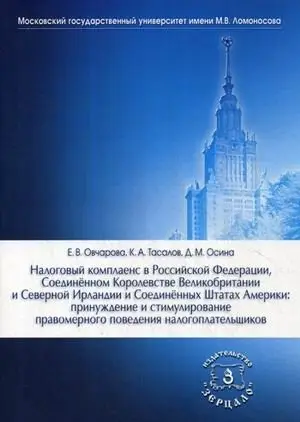
Налоговый комплаенс в Российской Федерации, Соединенном Королевстве Великобритании и Северной Ирландии и Соединенных Шта | Tax Compliance in Russia, the UK, and the USA: Coercion and Incentives for Lawful Taxpayer Behavi
By Овчарова Е.В. , …
Налоговый комплаенс в Российской Федерации, Соединенном Королевстве Великобритании и Северной Ирландии и Соединенных Штатах Америки: принуждение и стимулирование правомерного поведения налогоплательщиков
Обзор
Данная работа посвящена комплексному анализу налогового комплаенса в трех ключевых юрисдикциях: Российской Федерации, Соединенном Королевстве и Соединенных Штатах Америки. Исследуются механизмы принуждения и стимулирования, направленные на обеспечение добросовестного исполнения налоговых обязательств. Анализируются как законодательные меры, так и экономические стимулы, формирующие поведение налогоплательщиков. Особое внимание уделяется сравнительному аспекту, выявляя общие тенденции и национальные особенности в регулировании налоговой дисциплины.
Кому подойдёт
- Специалистам по налогообложению и юристам.
- Представителям бизнеса, работающим на международном уровне.
- Исследователям в области права и экономики.
- Студентам профильных вузов.
Ключевые особенности
- Язык: Русский
- Формат: Твердый переплет
Tax Compliance in Russia, the UK, and the USA: Coercion and Incentives for Lawful Taxpayer Behavior
Overview
This study offers a comprehensive analysis of tax compliance across three major jurisdictions: the Russian Federation, the United Kingdom, and the United States. It investigates the mechanisms of coercion and incentives designed to ensure the honest fulfillment of tax obligations. Both legislative measures and economic stimuli that shape taxpayer behavior are examined. Particular attention is given to a comparative perspective, identifying common trends and national specificities in the regulation of tax discipline.
Who it's for
- Tax specialists and legal professionals.
- Business representatives operating internationally.
- Researchers in law and economics.
- Students in relevant academic programs.
Key features
- Language: Russian
- Format: Hardcover