 US: 2-4 weeks,
  Europe: 1-2 weeks, 🌍 Worldwide: 1-4 weeks ✈️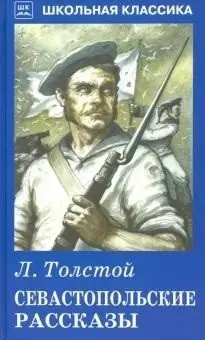
Севастопольские рассказы | Sevastopol Sketches
By Лев Николаевич Толстой
Лев Толстой: Путь к бессмертию
Лев Николаевич Толстой: Жизнь, полная драмы и величия
Лев Николаевич Толстой (1828-1910), гений русской литературы, родился в уютном имении Ясная Поляна, Тульской губернии, четвёртым ребёнком в знатной дворянской семье. Раннее детство омрачила смерть матери, когда ему не исполнилось и двух лет, а спустя несколько лет осиротел и он, потеряв отца. Юность Толстого прошла под знаком поиска своего призвания. В 1843 году он поступил в Казанский университет, где провел четыре года, изучая восточные языки и юриспруденцию, однако академическое образование не полностью удовлетворяло его жажду жизни.
Кавказ и первые шаги в литературе
Весной 1851 года, жажда приключений и стремление к самопознанию привели Льва Николаевича на Кавказ, где он поступил юнкером в артиллерийскую бригаду. Именно здесь, среди суровых горных пейзажей и напряженной военной атмосферы, началось его литературное творчество. В 1852 году журнал "Современник" опубликовал его первую повесть – "Детство", знаменуя собой рождение литературного гения.
Героическая оборона Севастополя
С началом Крымской войны Толстой перевелся в Дунайскую армию, принимая участие в ожесточенных сражениях под Ольтеницей и Силистрией. Однако истинное испытание его мужества и таланта пришло с героической обороной Севастополя. Молодой поручик Толстой сражался на легендарном 4-м бастионе, проявив исключительную храбрость и отвагу. За свой героизм он был награжден орденом Святой Анны и медалями "За защиту Севастополя" и "В память войны 1853-1856 гг.".
Более полугода длилась осада, наполненная бесконечными боями и тяжелыми лишениями. Толстой внимательно наблюдал за событиями, делая записи о боевых действиях и жизни армии. Эти заметки стали основой для его знаменитых "Севастопольских рассказов", опубликованных в 1858 году. Три рассказа в этом сборнике показывают разные грани обороны Севастополя – от героизма и самопожертвования защитников до жестокой реальности войны и ее бессмысленности.
- Описание героического сопротивления
- Показано человеческое мужество и страх
- Размышления о цене войны
Leo Tolstoy: A Path to Immortality
Leo Tolstoy: A Life of Drama and Grandeur
Leo Tolstoy (1828-1910), a giant of Russian literature, was born in the serene estate of Yasnaya Polyana, Tula Province, the fourth child in a distinguished aristocratic family. His early childhood was overshadowed by the death of his mother when he was not yet two years old, followed several years later by the loss of his father. Tolstoy's youth was marked by a search for purpose. In 1843, he entered Kazan University, where he spent four years studying Oriental languages and law, yet academic life didn't fully satisfy his yearning for a life beyond the classroom.
The Caucasus and Literary Beginnings
In the spring of 1851, a thirst for adventure and self-discovery led Leo Tolstoy to the Caucasus, where he joined the artillery brigade as a Junker. It was here, amidst the rugged mountain landscapes and the intense atmosphere of military life, that his literary career began to blossom. In 1852, the journal *Sovremennik* published his first story, "Childhood," marking the emergence of a literary genius.
The Heroic Defense of Sevastopol
With the outbreak of the Crimean War, Tolstoy transferred to the Danube Army, participating in fierce battles near Oltenitsa and Silistria. However, the true test of his courage and talent came with the heroic defense of Sevastopol. The young Lieutenant Tolstoy fought on the legendary 4th Bastion, demonstrating exceptional bravery and valor. For his heroism, he was awarded the Order of St. Anna and medals "For the Defense of Sevastopol" and "In Memory of the War of 1853-1856."
The siege lasted over six months, filled with relentless fighting and hardship. Tolstoy meticulously observed the events, making detailed notes on the battles and the army's daily life. These notes formed the basis of his renowned "Sevastopol Sketches," published in 1858. The three stories in this collection depict various facets of the Sevastopol defense – from the heroism and self-sacrifice of the defenders to the brutal reality of war and its meaninglessness.
- Depiction of heroic resistance
- Human courage and fear portrayed vividly
- Reflections on the cost of war