 US: 2-4 weeks,
  Europe: 1-2 weeks, 🌍 Worldwide: 1-4 weeks ✈️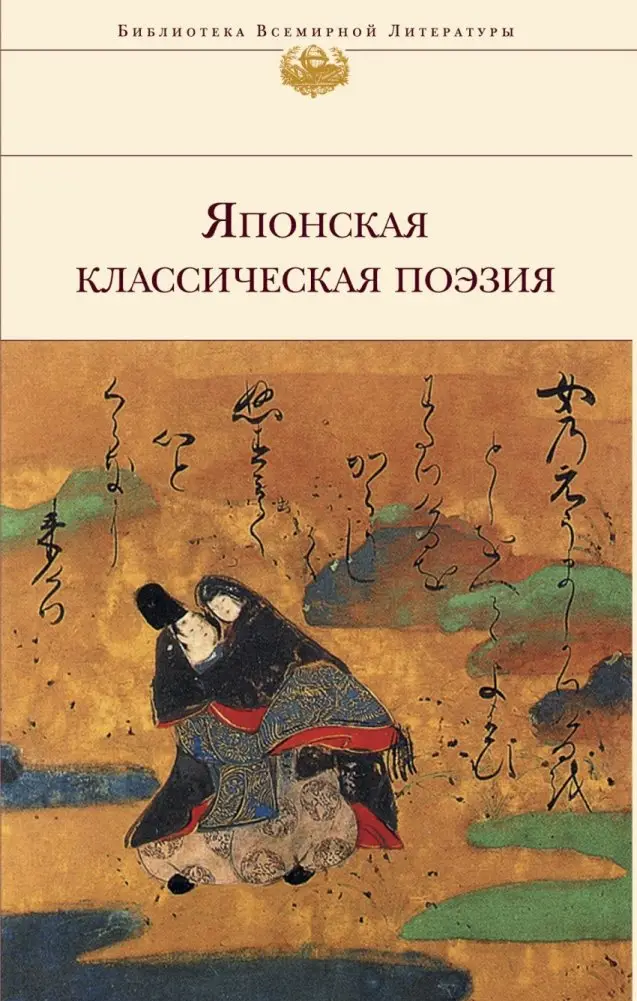
Японская классическая поэзия | Classical Japanese Poetry
Японская классическая поэзия
2018, Эксмо, Библиотека всемирной литературы
Обзор
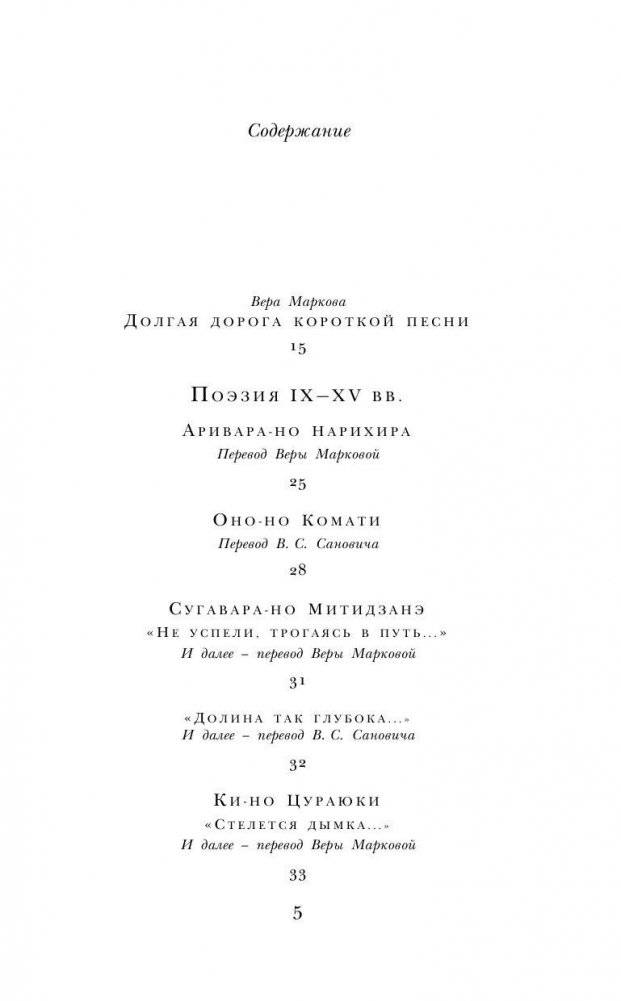
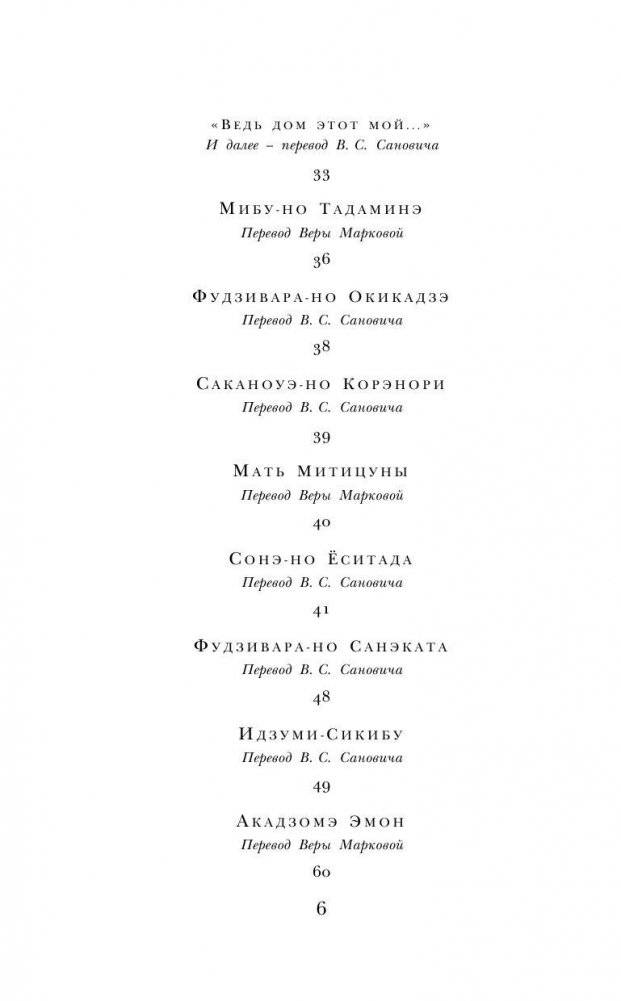
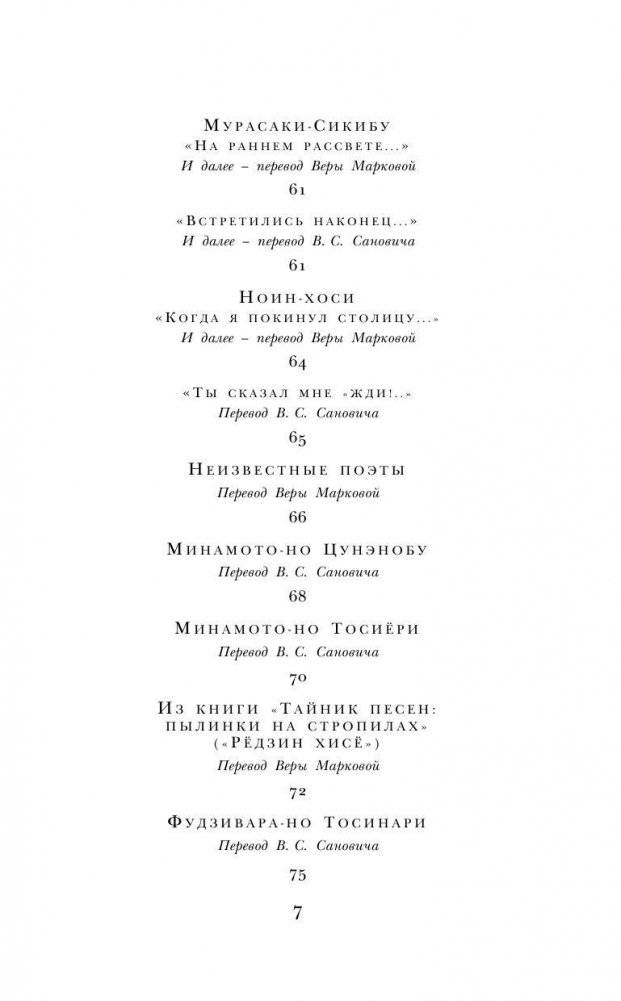
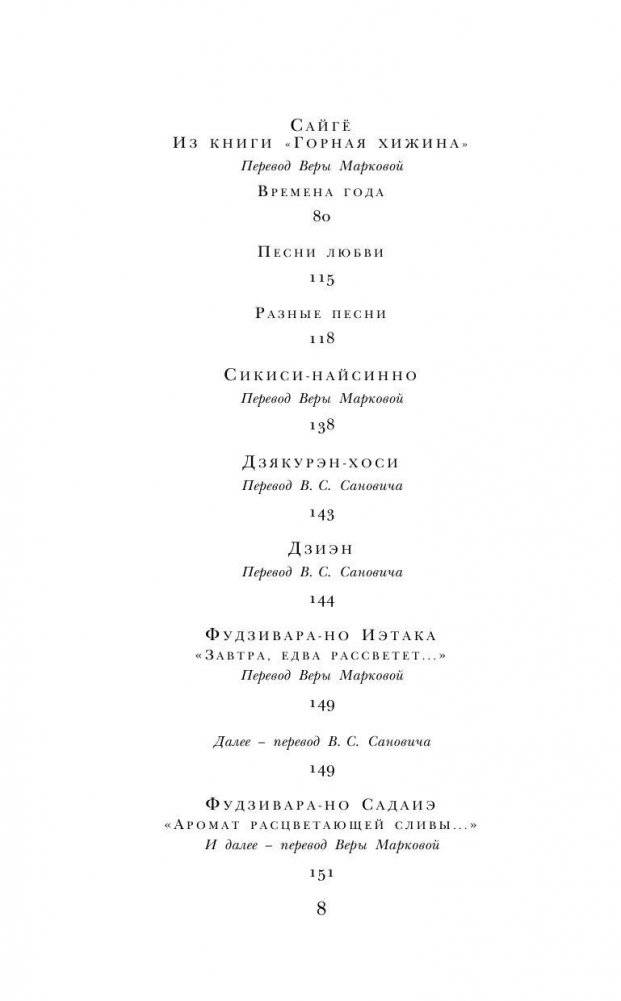
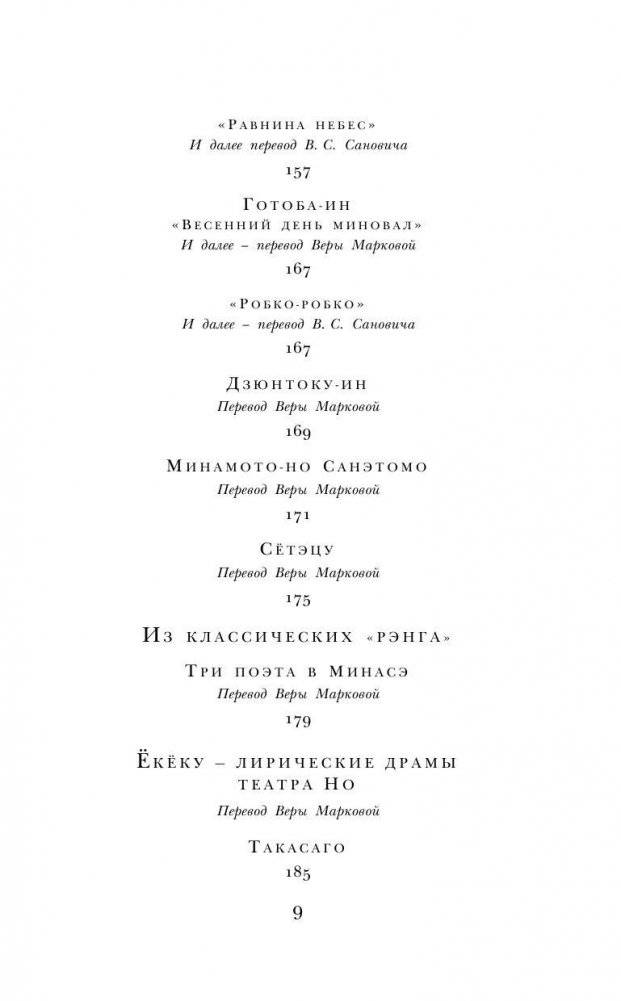
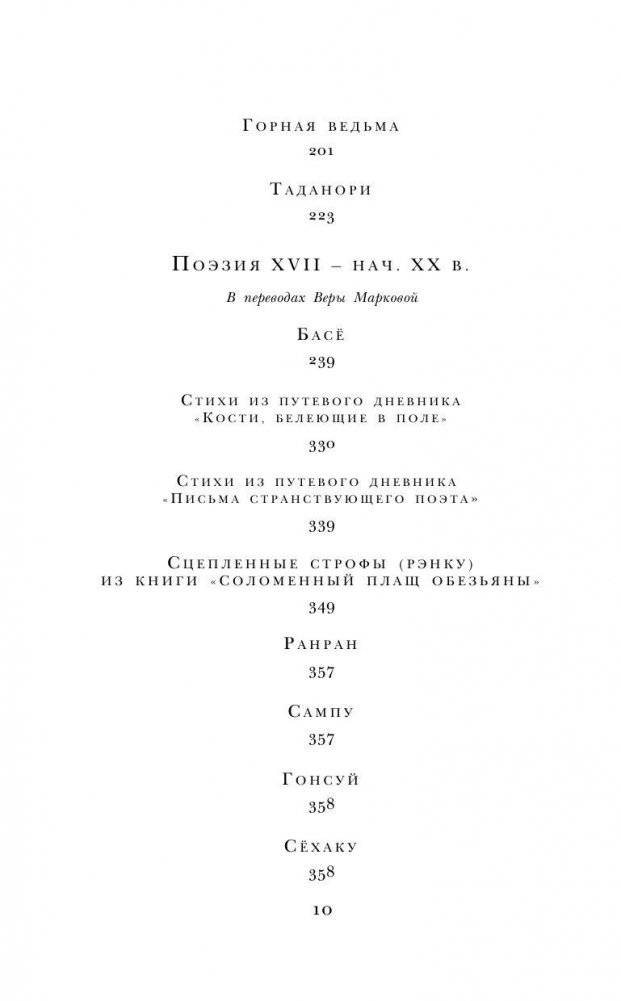
Каждое стихотворение танка или хокку представляет собой миниатюрное произведение, раскрывающее смысл через недосказанность. Этот сборник японской лирики предполагает неторопливое чтение, позволяющее постичь глубинный смысл каждого стиха. В издании представлены классические танка, хокку, лирические драмы театра Но, сцепленные строфы рэнга и народные песни начала XX века. Двенадцать веков японской поэзии собраны в переводах В.Н. Марковой и В.С. Сановича, дополненных подробными комментариями и иллюстративным материалом.
Кому подойдёт
- Любителям поэзии и японской культуры.
- Тем, кто интересуется классической литературой.
- Читателям, предпочитающим вдумчивое чтение.
Ключевые особенности
- Язык: русский
- Количество страниц: 608
- Тип обложки: твердый переплет
- ISBN: 9785699631643
- Издательство: Эксмо
- Год издания: 2018
- Серия: Библиотека всемирной литературы
- Переводчики: В.Н. Маркова, В.С. Санович
Classical Japanese Poetry
2018, Eksmo, World Literature Library
Overview
Each tanka or haiku poem is a miniature work, revealing meaning through understatement. This collection of Japanese lyric poetry is intended for unhurried reading, allowing one to grasp the deeper meaning of each verse. The publication features classical tanka, haiku, lyrical dramas from the Noh theater, linked stanzas of renga, and folk songs from the early 20th century. Twelve centuries of Japanese poetry are gathered in translations by V.N. Markova and V.S. Sanovich, supplemented with detailed commentaries and illustrative material.
Who it's for
- Fans of poetry and Japanese culture.
- Those interested in classical literature.
- Readers who prefer thoughtful reading.
Key features
- Language: Russian
- Pages: 608
- Binding: Hardcover
- ISBN: 9785699631643
- Publisher: Eksmo
- Year: 2018
- Series: World Literature Library
- Translators: V.N. Markova, V.S. Sanovich